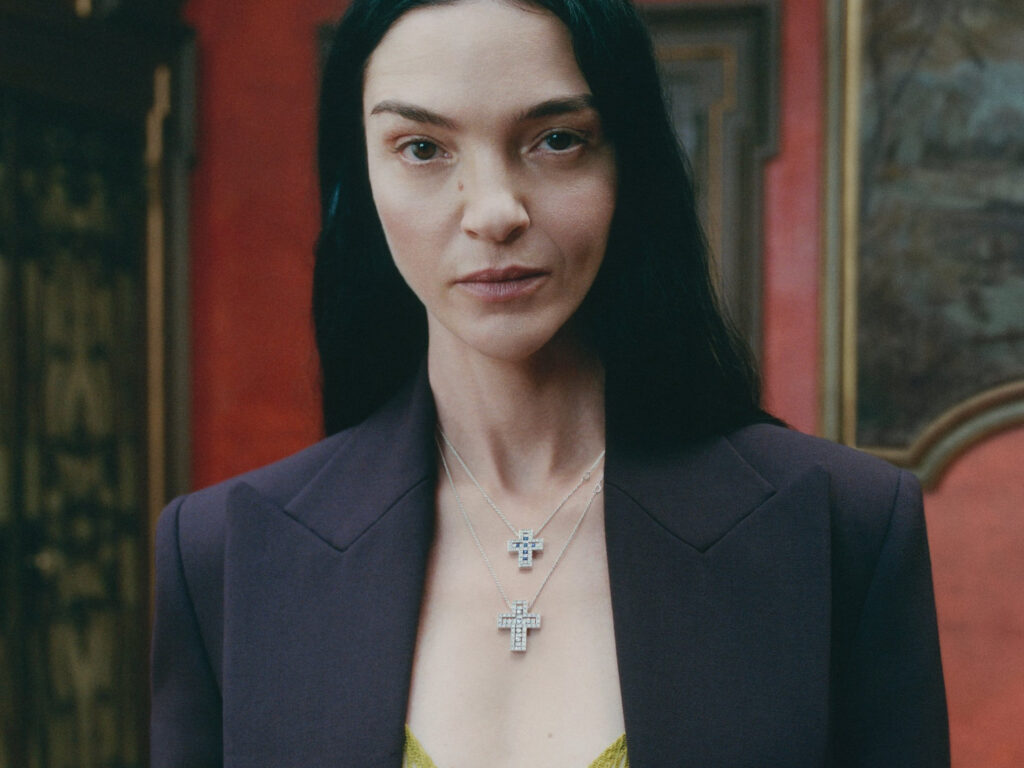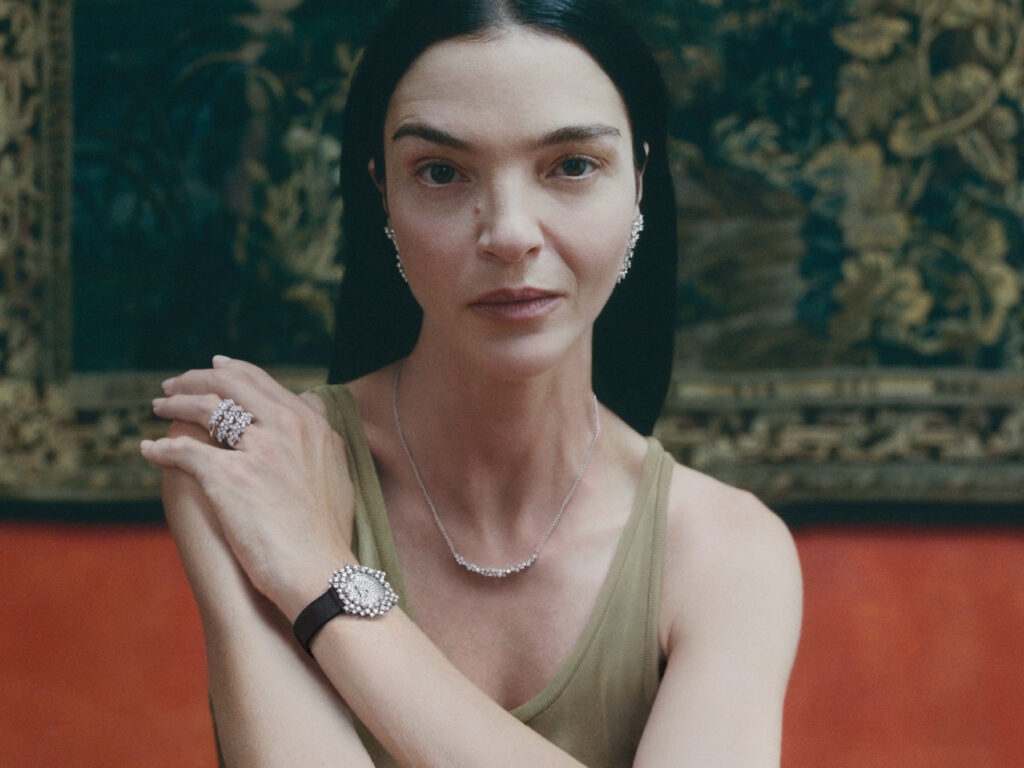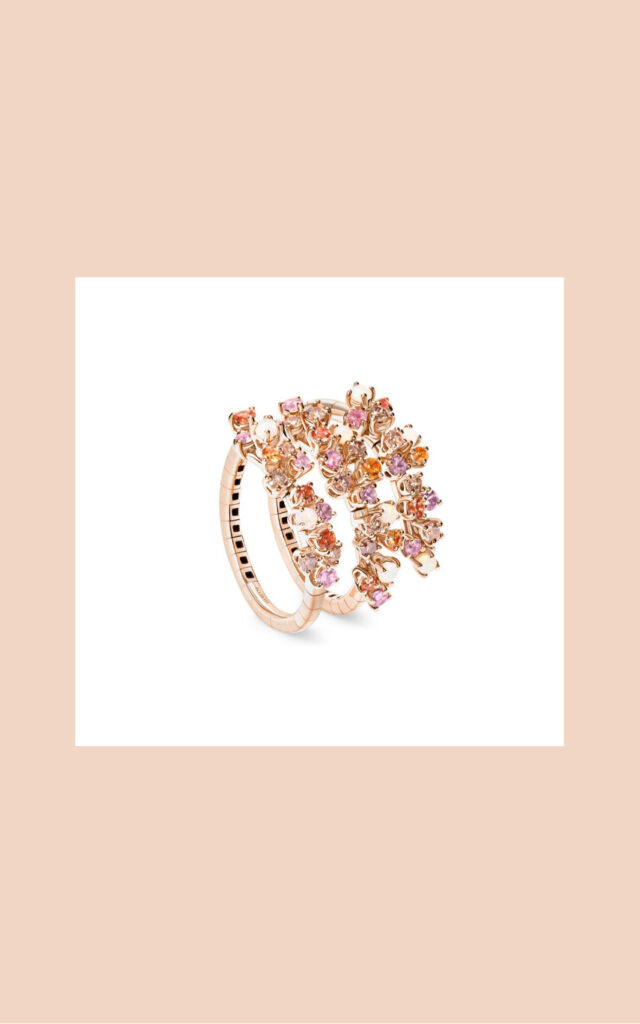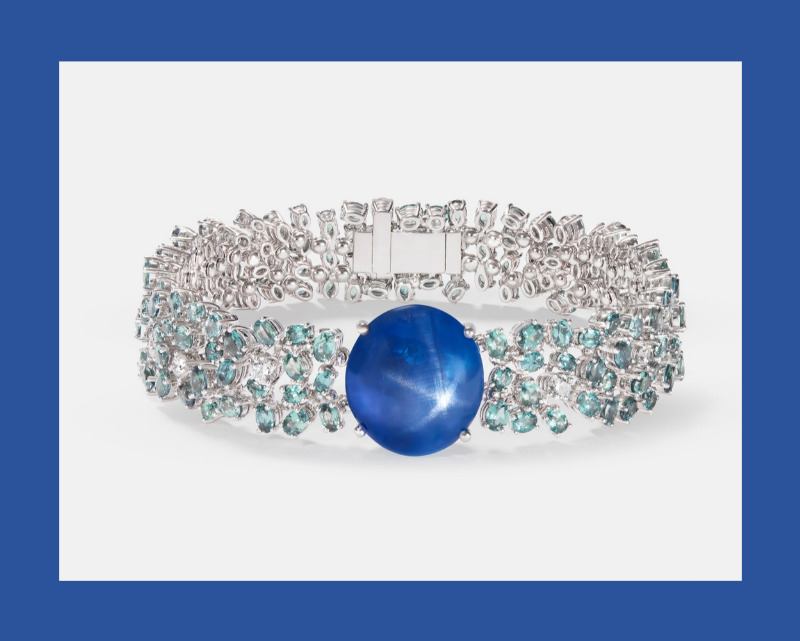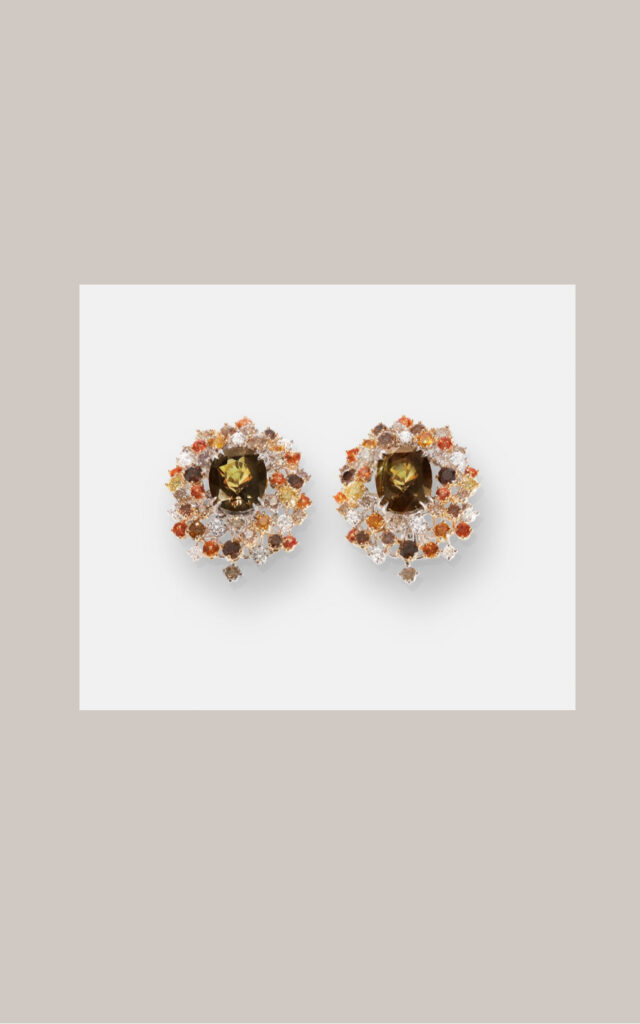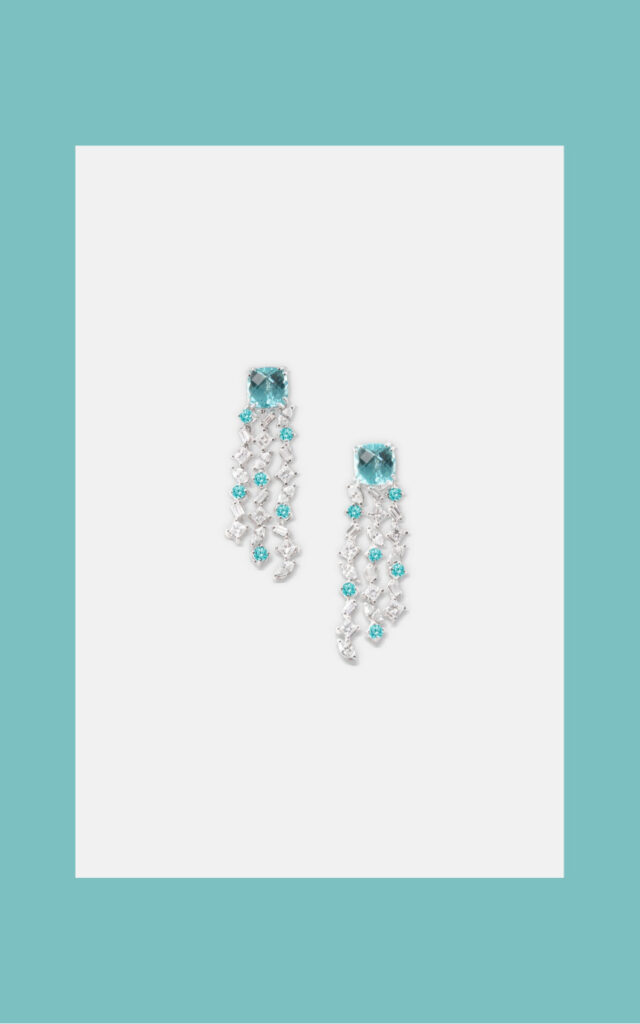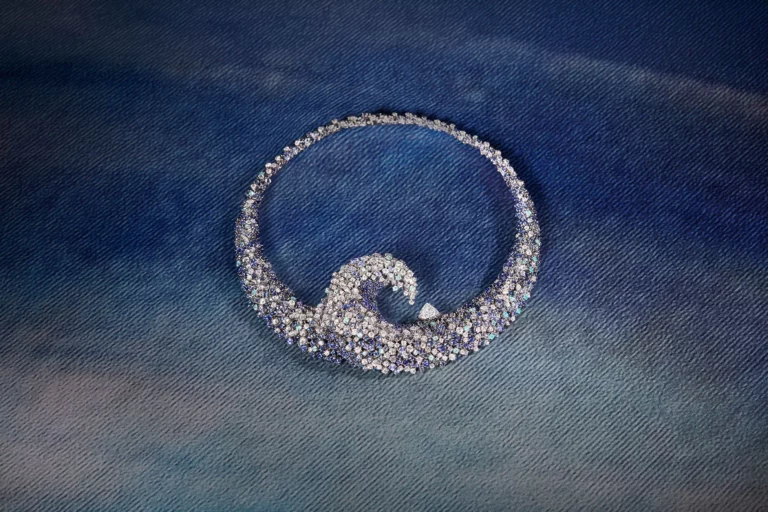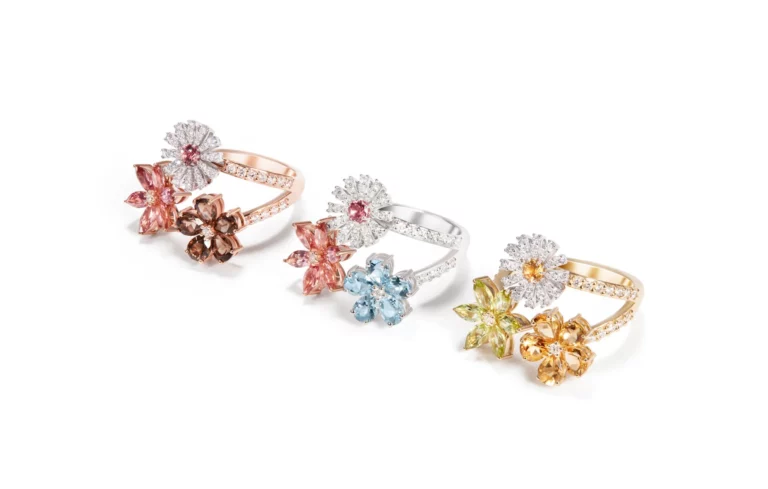


The story begins in 1924 in the Piedmont region of northern Italy, specifically in Valenza—a center of the country’s jewelry and goldsmithing industry—when Enrico Grassi Damiani opened his workshop. Thanks to his talent as a designer and his creative flair, he quickly made a name for himself and earned a reputation among noble and bourgeois families, even reaching the royal family, the House of Savoy. For these wealthy clients, he designed one-of-a-kind pieces intended to celebrate the major milestones of a person’s life and family, such as weddings, births, and birthdays. As early as the 1920s, Enrico personally designed a daisy-shaped piece of jewelry for Queen Margherita, a great lover of fashion and jewelry. The flower would bear the queen’s name and become the house’s oldest motif, enhanced by a precious central element around which gemstones bloom on the petals.
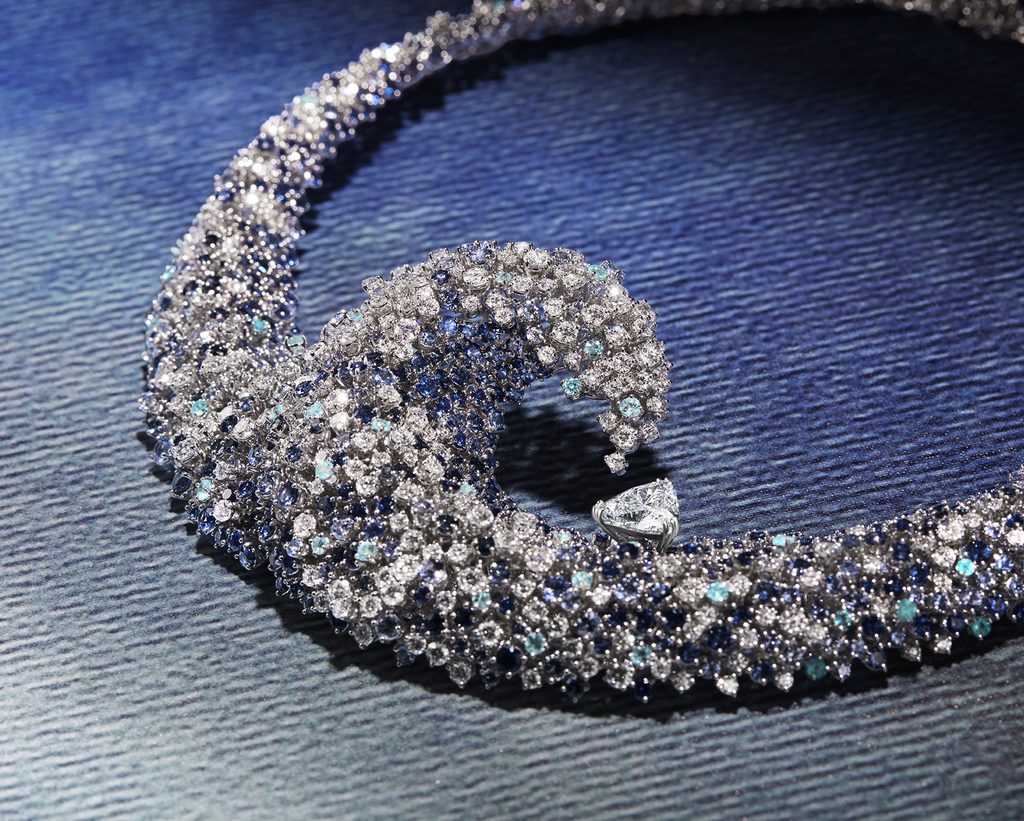
The turning point that would take the company to a whole new level came with Damiano, the founder’s son. He transformed the bespoke workshop into a modern brand with an international reach. From the 1950s to the 1970s, he spearheaded a small commercial revolution with catalogs, clearly displayed and guaranteed prices, and after-sales service—concepts that were still foreign to the jewelry industry, a world that had previously been opaque and extremely exclusive. The company’s breakthrough came in 1976 with the Shark bracelet (Squalo in Italian), designed by Gabriella Damiani, Damiano’s wife, which won the first Diamonds International Award—the most coveted design competition in 20th-century diamond jewelry, organized by De Beers and nicknamed the “Oscars of jewelry.” Over the following decades, the brand would go on to win 18 more of these awards—a record for the house.
A passion for excellence
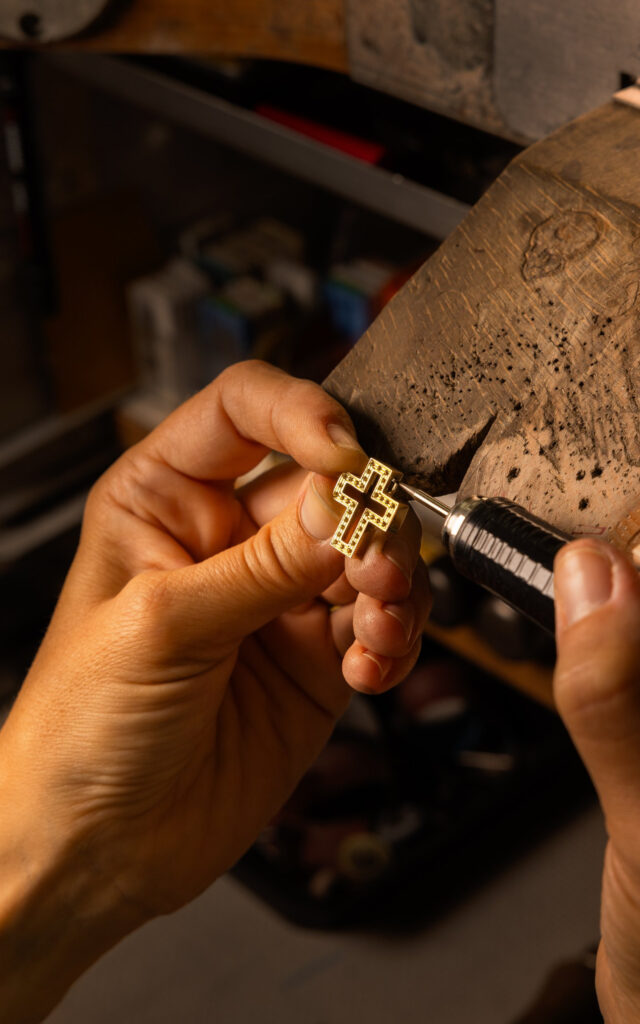
Behind the awards and recognition lies, of course, craftsmanship—the kind that comes from Valenza, where every piece is entirely handmade, and where time-honored techniques blend with the most modern tools and innovation. The house sums up its approach as follows: “Damiani’s desire for innovation is conceived as an evolution, not a revolution; this is what drives us to preserve and protect Italy’s artisanal heritage.” Giorgio Grassi Damiani adds: “We always seek to push beyond the limits imposed by convention; whenever we’re told something is impossible, that’s when we persevere. Excellence is our obsession.”
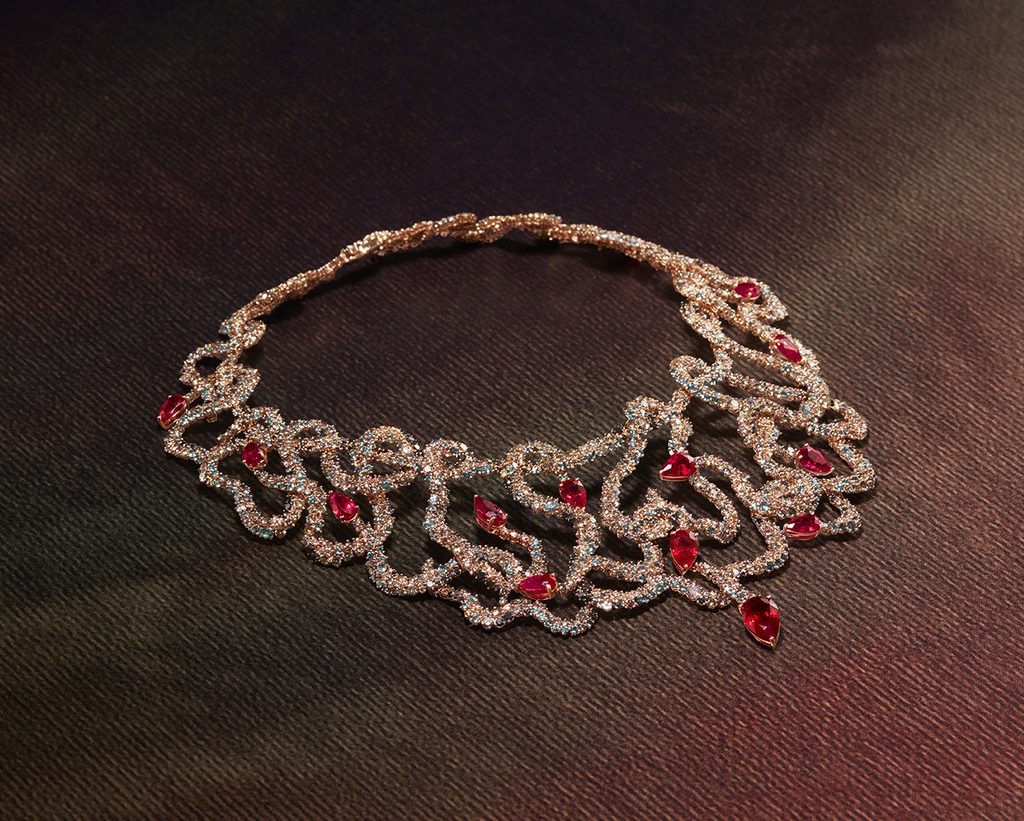
Behind the awards and recognition lies, of course, craftsmanship—the kind that comes from Valenza, where every piece is entirely handmade, and where traditional techniques blend with the most modern tools and innovation. The company sums up its approach as follows: “Damiani’s desire for innovation is conceived as an evolution rather than a revolution; this is what drives it to preserve and protect Italy’s artisanal heritage.” Giorgio Grassi Damiani adds: “We always seek to push beyond the limits imposed by convention; every time we’re told something is impossible, that’s when we persevere. Excellence is our obsession.”
A family affair
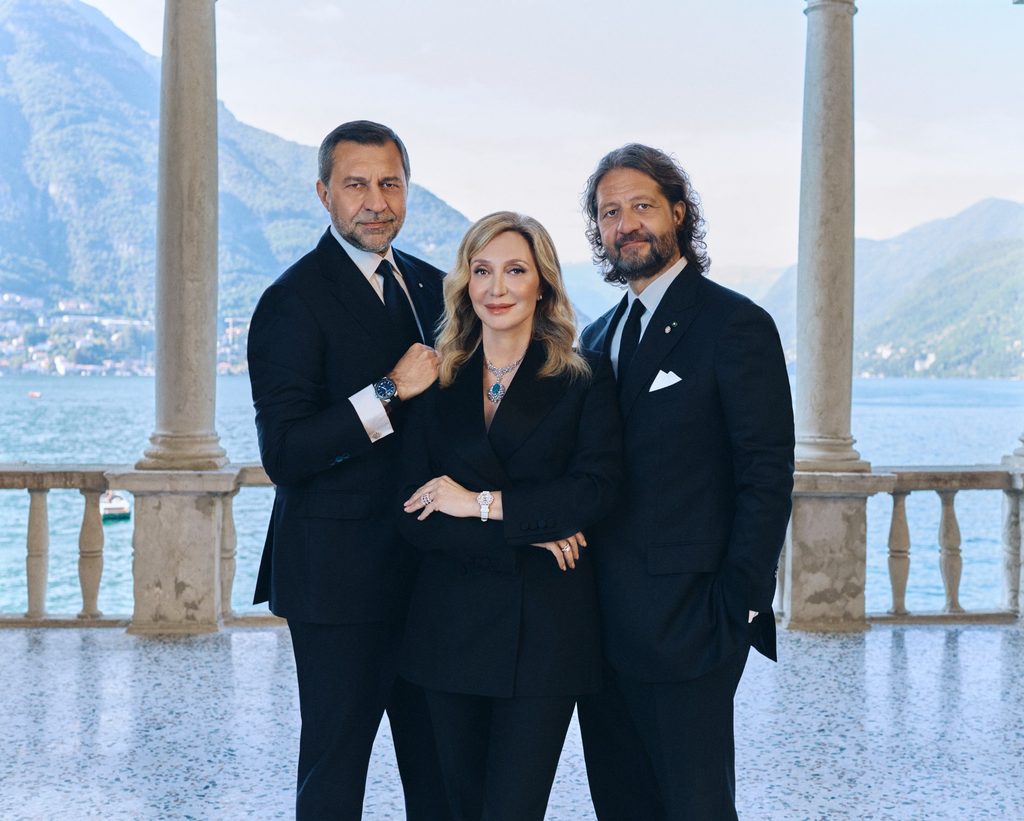
When Damiano passed away in 1996, his children took up the torch and divided the roles among themselves: Guido took charge of strategy and development, Silvia focused on the brand’s cultural and institutional image, and Giorgio became the creative force behind the collections. The third generation has further expanded the brand’s international reach—it is now present in about 100 boutiques worldwide—and has forged ties with the film industry and its stars, from Brad Pitt, who co-designed the D.Side collection, to Sophia Loren and Sharon Stone. True to its roots, Damiani unites and promotes Italian excellence alongside other brands: the Murano glassmaker Venini, the distributor Rocca, the jewelers Salvini and Bliss, and the Milanese diamond dealer Calderoni.