

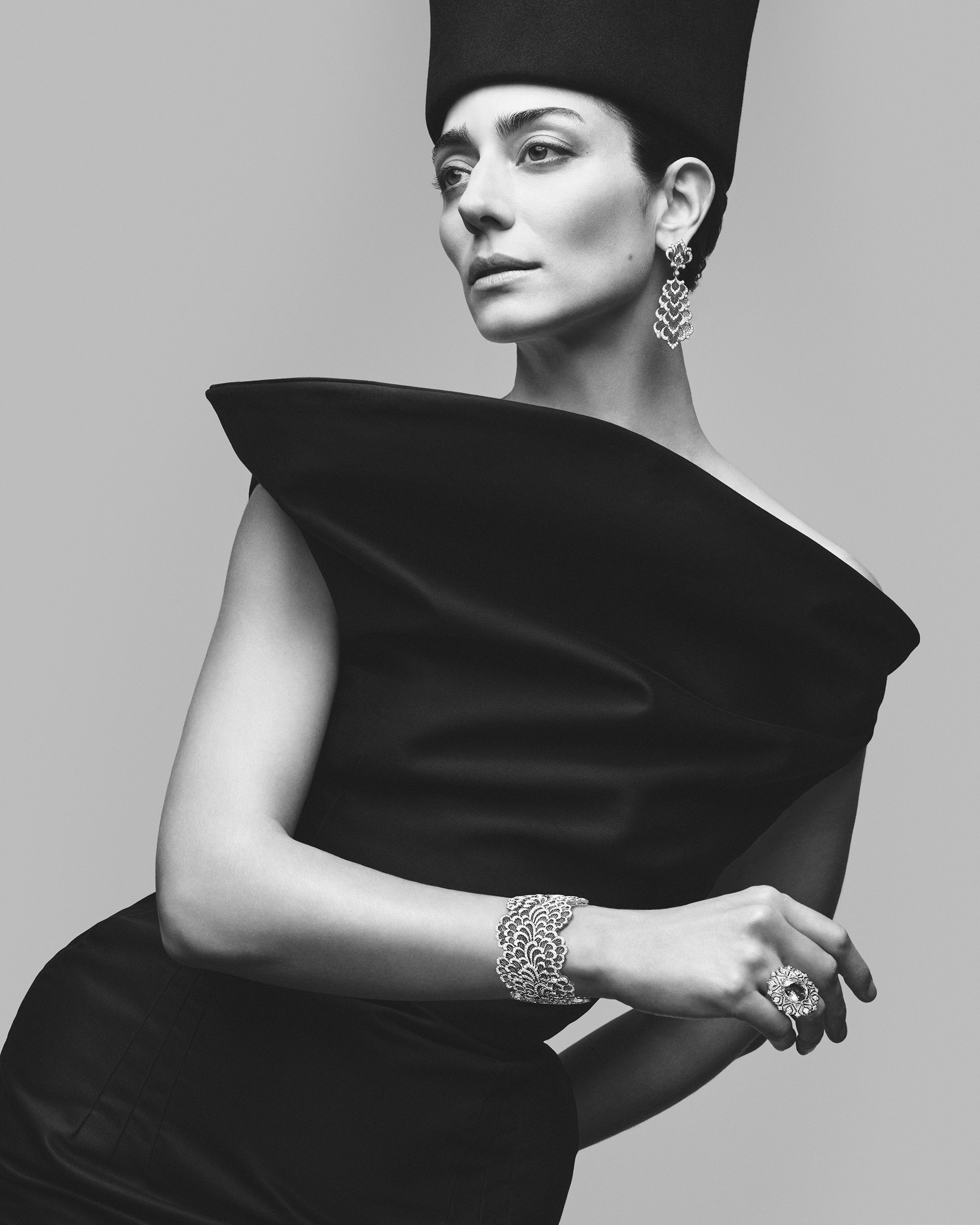
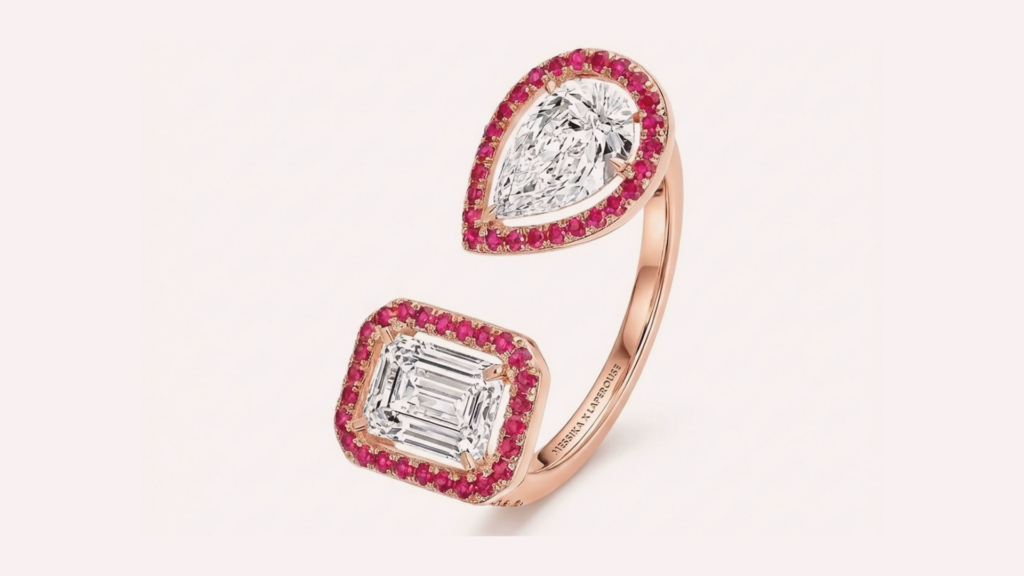
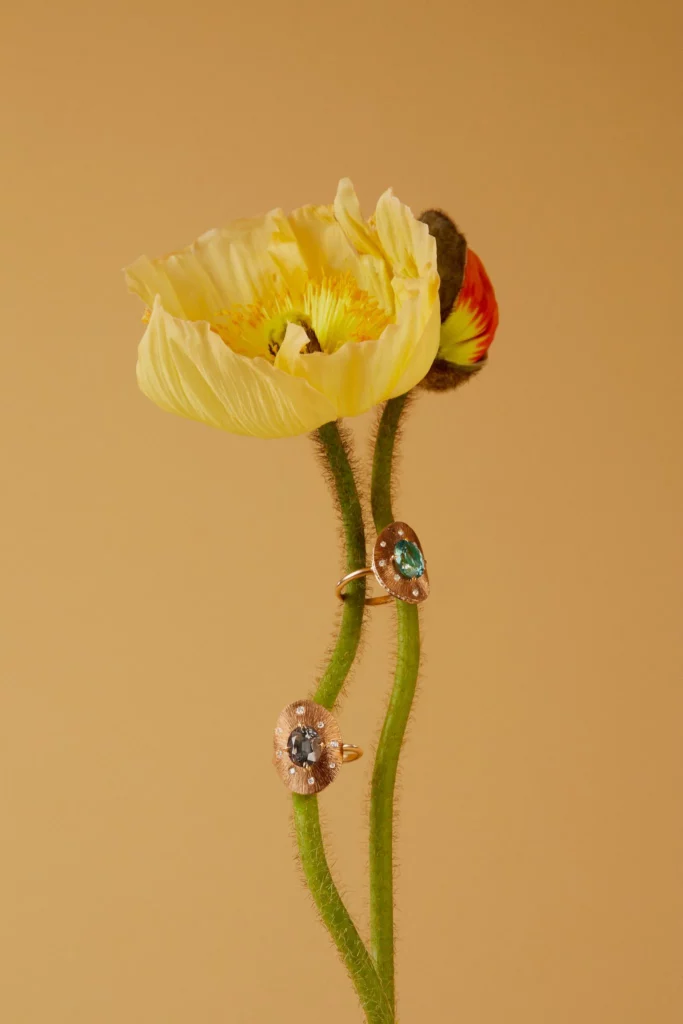

The Serenissima collection draws inspiration from Venice. What did you set out to capture?
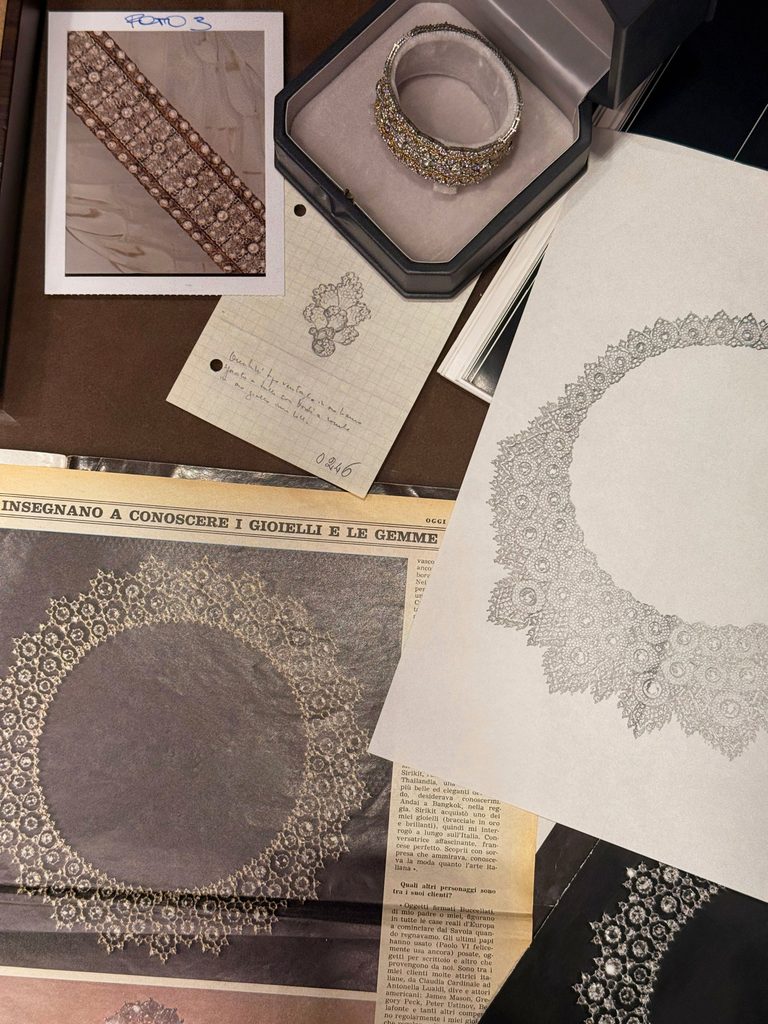
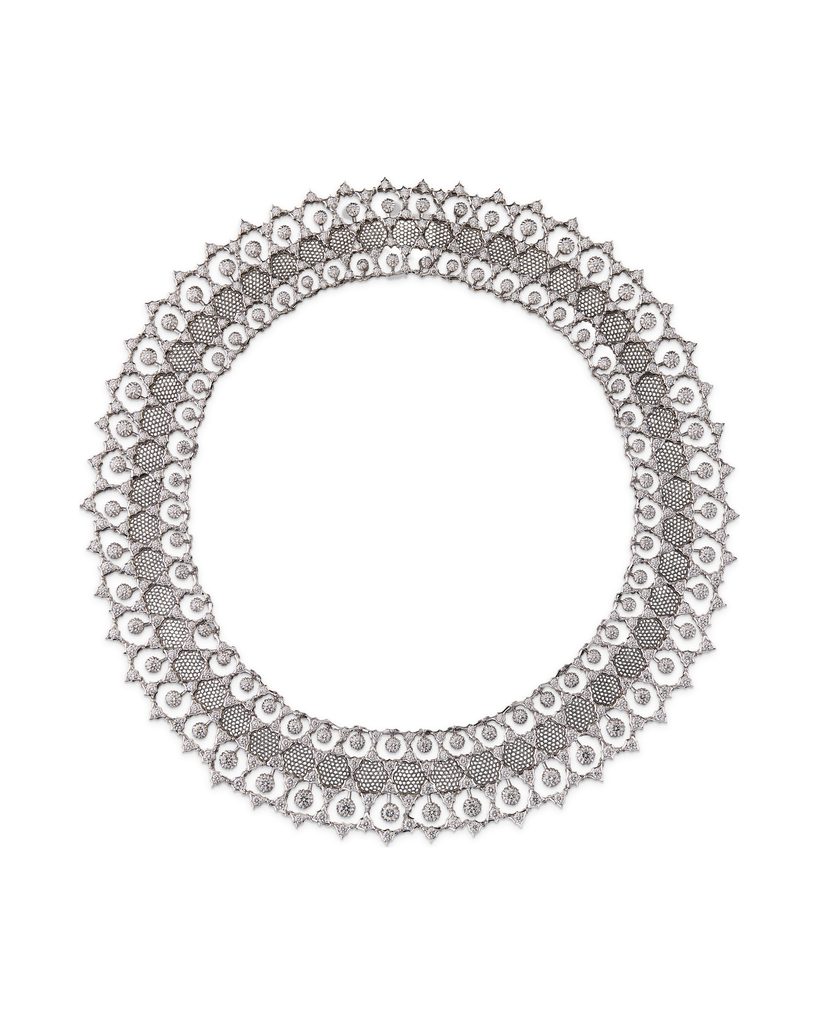
The collection springs from the timeless charm and rich history of Venice. From the splendors of the Renaissance to Venice’s refined lacemaking tradition, centuries of craftsmanship are engraved in the lagoon city’s soul. Burano was an important source of inspiration. Mario Buccellati was fascinated by the island’s delicate needle lace, and sought to reproduce its lightness, transparency and elegance in his jewelry designs. Buccellati and Venice share a taste for delicacy, for complexity, and for a discreet yet unmistakable form of luxury. The collection is a reflection of these shared values.
Your grandfather, Mario, founded Buccellati in 1919. Is there a particular memory or anecdote from this family history that encapsulates the spirit of the house?
I don’t really have any stories with my grandfather, who sadly passed away in 1965, when I was very young. I do have many memories of my father, of visiting him in the workshops and breathing in that magical air of creativity alongside him. I learned a lot just from watching and listening to him. Most of all, he taught me discipline, precision and love for a very special profession.
How did becoming creative director change the way you see things?
My grandfather Mario, and my father Gianmaria after him, taught me to evolve creatively while staying true to the house’s DNA; never straying from the fundamental principles that make Buccellati not simply a brand, but a style and an identity.
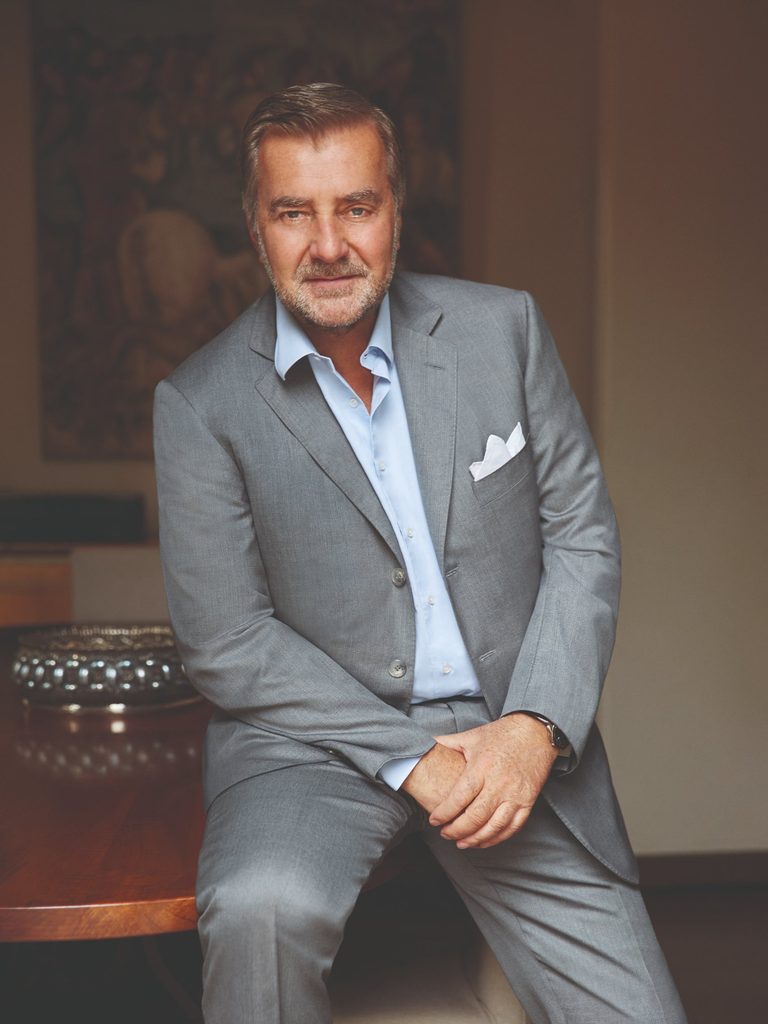
What did you inherit from your father that you now want to pass on to future generations?
Craftsmanship is often passed down from father to son in a natural way. We have had, and still have, young artisans who were introduced to our workshops by their fathers, who have learned the trade and stayed with us. From generation to generation, exactly as it was for my father and me. I inherited the creative aspect of what we do from him. Now I’m working with my daughter, Lucrezia, on some important projects and collections, trying to pass the house’s DNA on to her.
When you lead a house that is more than a century old, you must engage with its heritage while moving forward. How do you balance respect for the house’s signature codes with contemporary design?
It’s not something we have to consciously think about. It comes naturally. We don’t conform to trends. We simply evolve our style, the Buccellati style. So it’s very simple and natural.
Rigato, Modellato, piercing with a hand-held saw… which techniques do you consider most emblematic of Buccellati, and which might be lost if not passed on?
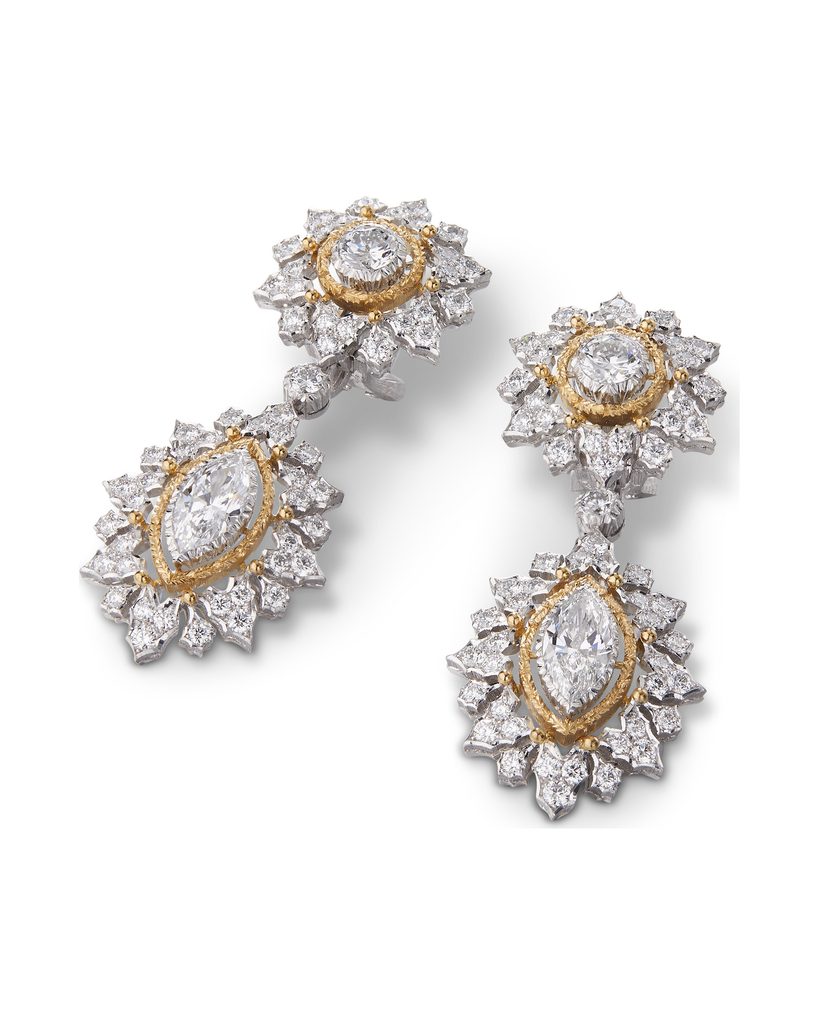
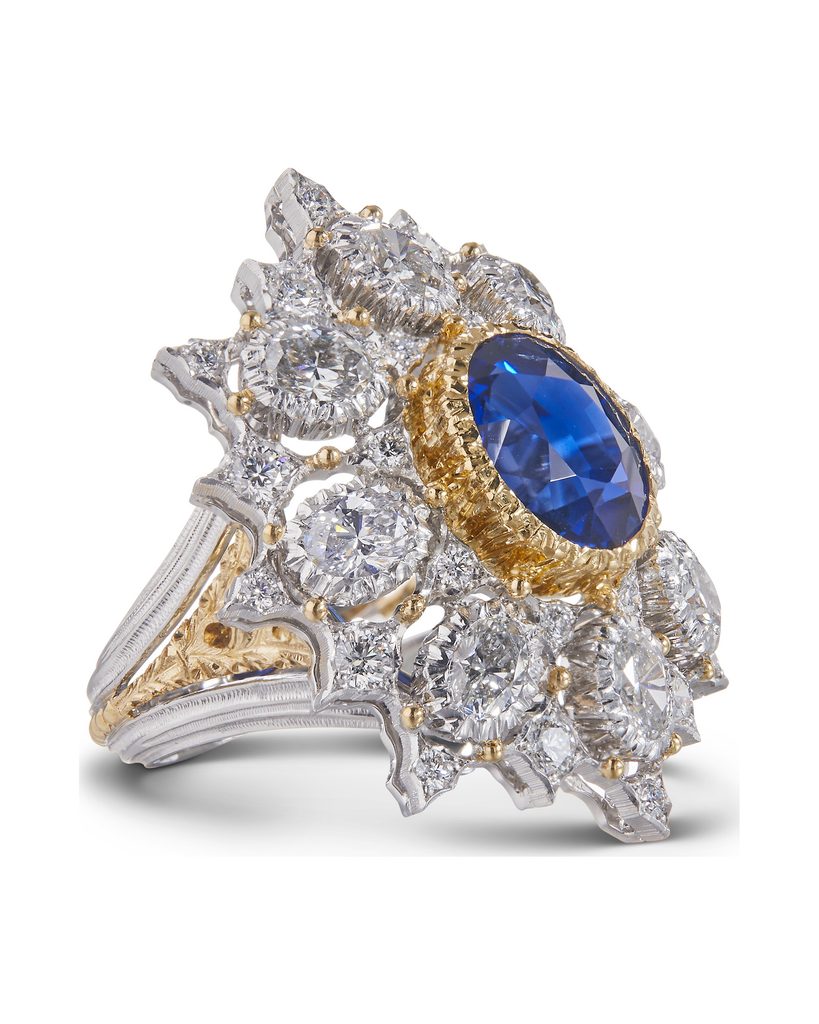
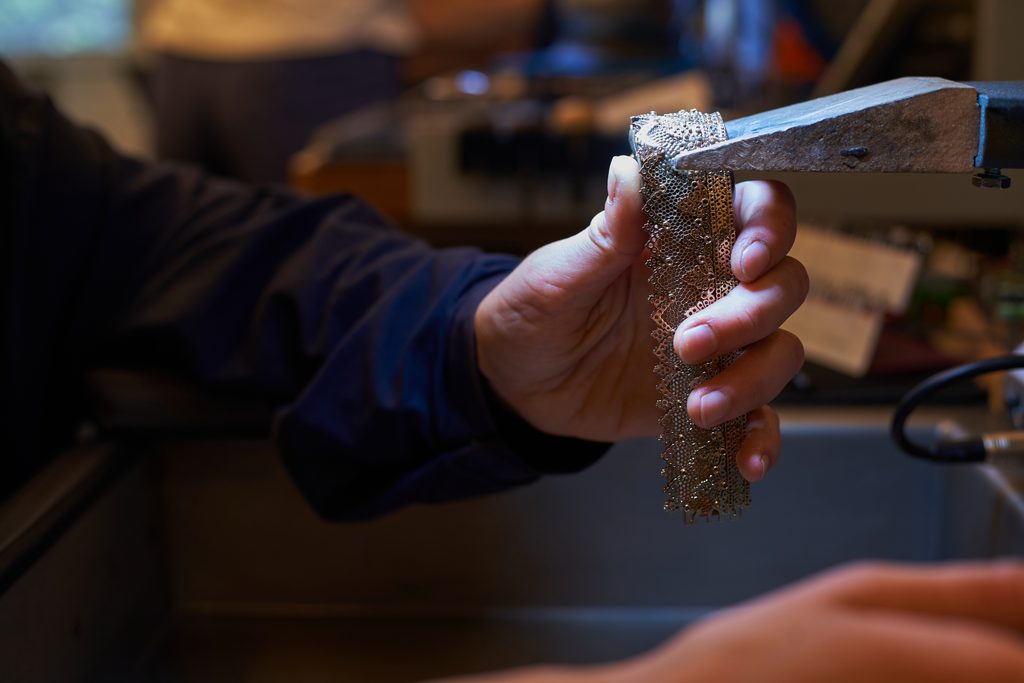
The first two are forms of engraving, while openwork and honeycomb are ancient and complex goldsmithing techniques. I would also add our stone-setting technique. For more than a century, Buccellati has been committed to preserving these techniques as a testament to the goldsmith’s art — because it truly can be called art. To answer the second part of your question, I believe that all these techniques, if not passed on, could easily be lost.
How long does it take for a goldsmith to master these techniques?
We have several apprentices and count on their desire to learn and become masters. It takes four to five years for an apprentice to master goldsmithing, engraving or stone setting techniques, depending on their aptitudes. There are many young people who start out as goldsmiths then realize they have more talent as engravers, and so they change roles. The important thing is that they become independent and are able to carry on these traditional techniques with the house
How do you see the future?
I think we still have many things to do, to create, to offer. So I’d say the future will be filled with beauty and objects that bring joy.