
The Hope Diamond, a fabulous cursed treasure?

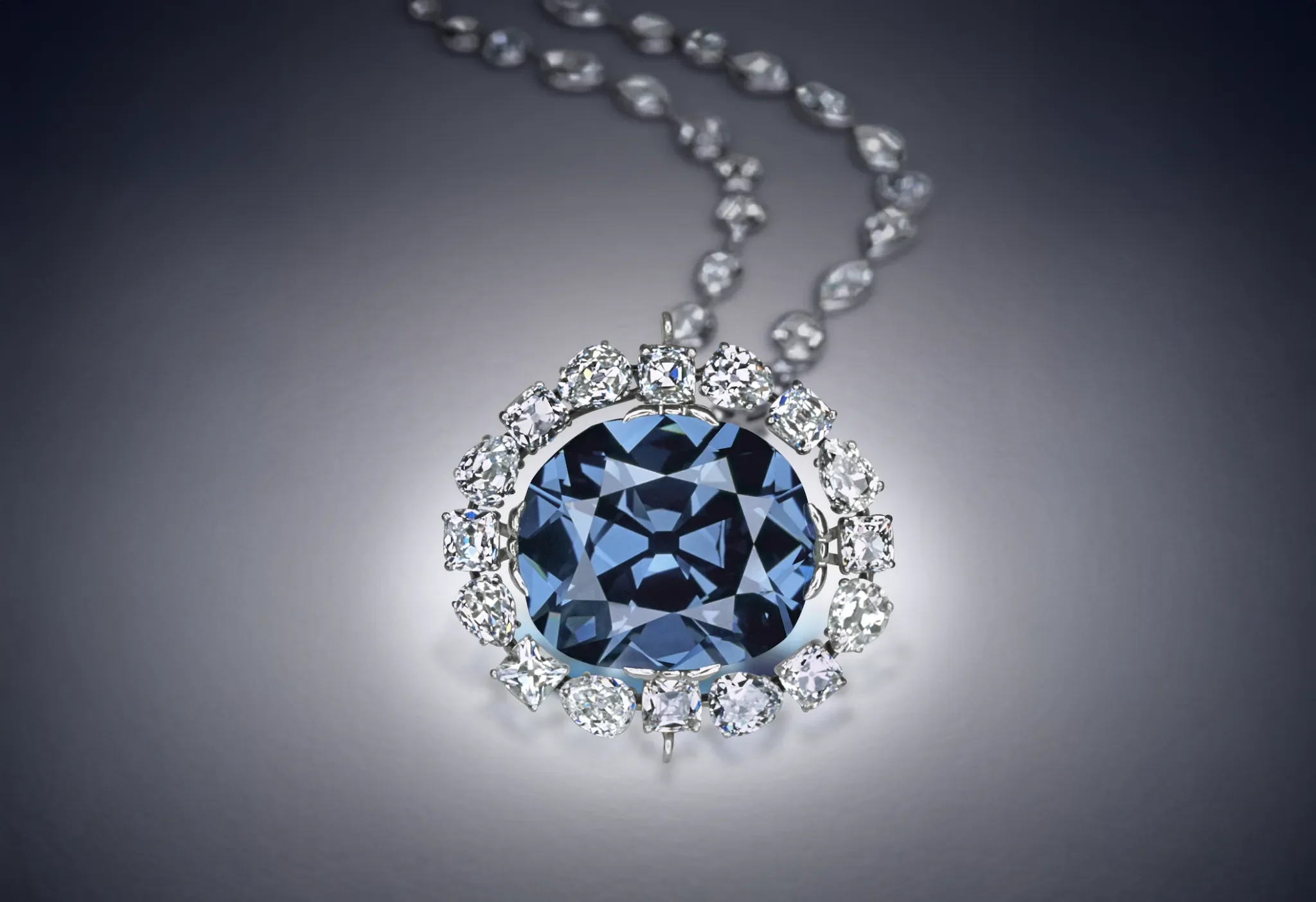
It is one of the most famous diamonds in the world, renowned not only for its often described as "cursed" history, but also for its size and intense blue color.
The Hope Diamond @ Chip Clark Smithsonian’s National Museum of Natural History (digitally modified by SquareMoose)

The Hope Diamond @ Chip Clark Smithsonian’s National Museum of Natural History (digitally modified by SquareMoose)

Recommendations

Rhodolite de Tanzanie, 19,46 carats ©Dominique Dufermont
Heritage

Knowledge: your first investment when buying gems

Par

Isabelle Hossenlopp

4 Mins |

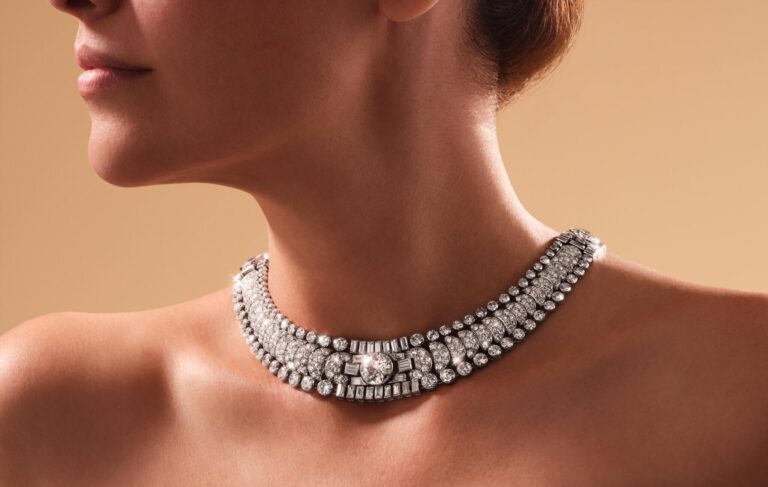
Diamond necklace, 1929, Van Cleef & Arpels ©Sotheby’s
Heritage

Why historic signed jewels are the new stars of America’s auction market

Par

Anne-Sophie Mignaux

2 Mins |

maire-de-pimodan

The author

Marie de Pimodan

Incorrigibly curious, GEM-T’s editor-in-chief has been writing about luxury and watches for 20 years. Nothing delights her more than capturing jewelry’s many marvels in words and images.

See the author's ARTICLES

First discovered in India in 1673 by the French explorer and merchant who initially named it, the diamond now known as Hope originally weighed 115 carats and boasted a striking blue hue. It has passed through the centuries, handed down from one owner to the next, often leaving misfortune in its wake.

Among its most illustrious owners were King Louis XIV and Marie Antoinette. This mysterious diamond was stolen and then recut, and its story took a new turn in 1839, when Henry Philip Hope acquired it and gave it his name. But the stone did not spare the Hope family: after Henry’s premature death, his heirs, cornered by gambling debts, were forced to sell the jewel. The jeweler Wilhelm Fals got his hands on the diamond, but tragedy struck again: his own son murdered him to seize the stone, before taking his own life. Yet, this did not deter the wealthy American heiress Evalyn Walsh McLean, who purchased the diamond despite the warnings.

The Hope Diamond @ Chip Clark Smithsonian’s National Museum of Natural History (digitally modified by SquareMoose)

Tragedy quickly ensued: the death of her son at the age of nine, followed by that of her daughter at 25. As for her husband, he descended into madness after leaving her. Upon Evalyn’s death, her descendants sold the stone to Harry Winston. The renowned jeweler took it on a journey across the United States, showcasing it to the public before making an unexpected decision: he donated the Hope Diamond to the Smithsonian Museum. In a curious twist, he sent it by regular mail, with postage of only $2.44. Did the New York house have a premonition that it was better to part with it?
See more articles

Rhodolite de Tanzanie, 19,46 carats ©Dominique Dufermont

Knowledge: your first investment when buying gems

|  4 Mins

Diamond necklace, 1929, Van Cleef & Arpels ©Sotheby’s

Why historic signed jewels are the new stars of America’s auction market

|  2 Mins

©Violette Coudel

Cultural gems

|  2 Mins

Aerterna high jewelry collection ©BULGARI

The Midas touch

|  5 Mins