




Cartier, Van Cleef & Arpels, Bulgari, Belperron, Boivin, David Webb: these are houses whose name has gone beyond a signature engraved in metal to become a cultural signifier. At auction, collectors bid not just for a stone but for a stylistic vocabulary, provenance, and a piece of history. In the United States, interest in historic jewelry has surged, extending beyond a discreet circle of connoisseurs. In December 2015, the Magnificent Jewels sale at Christie’s New York realized USD 59.6 million. Ten years later, the outcome was on an entirely different scale. The June 2025 Magnificent Jewels achieved a “white glove” result (every lot sold) totaling USD 87.7 million: the highest ever for a various-owner jewelry sale by Christie’s Americas. Jewelry has emerged as an identifiable cultural object. Alongside clarity and carat, collectors look for the language that is unique to each maker: Cartier and its architecture, Van Cleef & Arpels and its technical poetry, Bulgari and its mastery of color, Belperron and its free-flowing volumes, Boivin and its bold sculptural forms. A signature doesn’t just add to the value of a piece. It gives it authority, in view of its rarity, era and history. Some lots smash their pre-sale estimates.
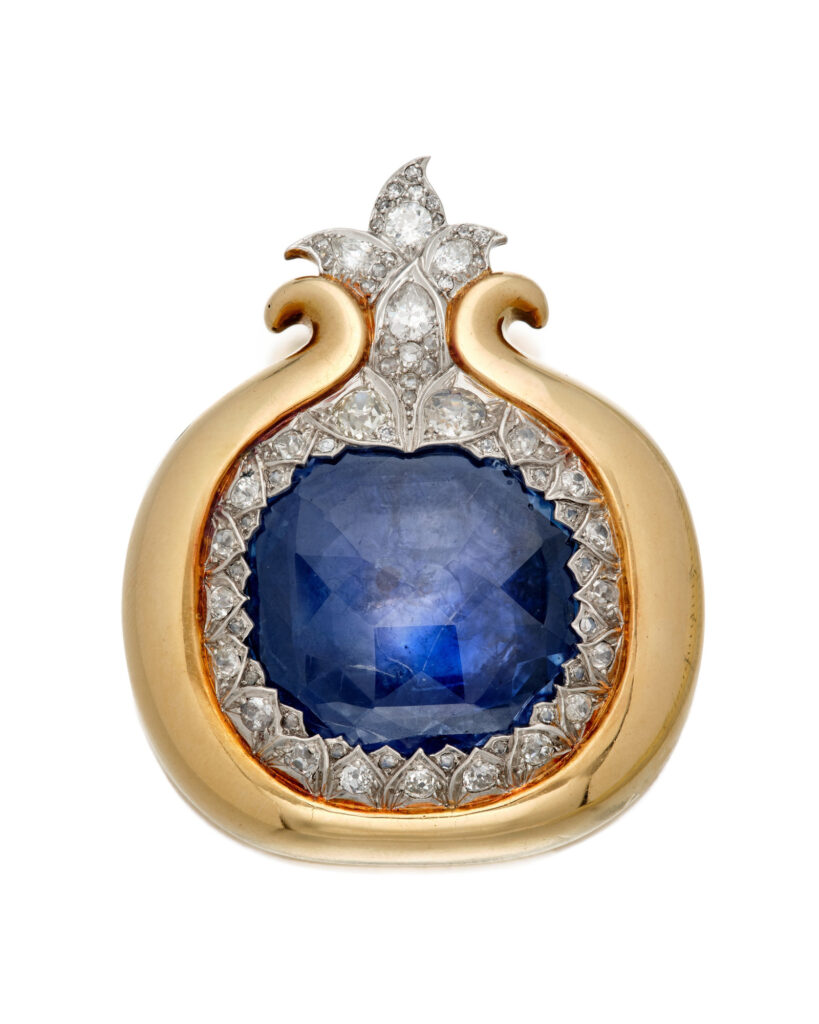
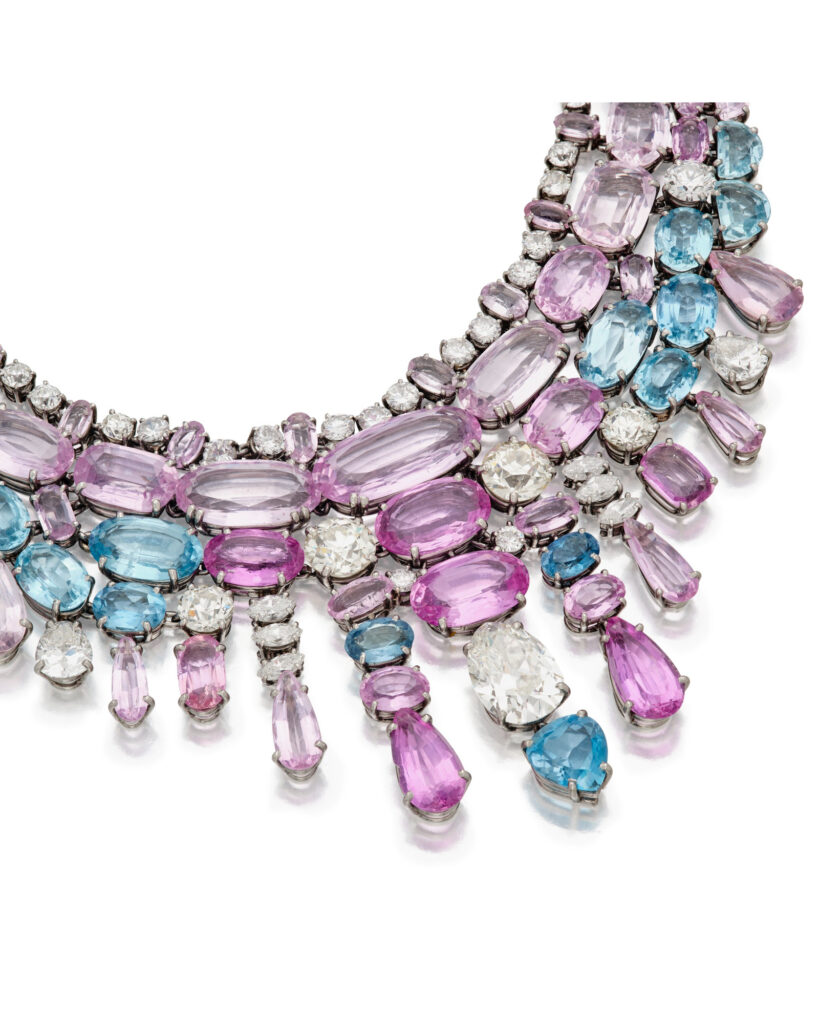
In June 2024, at Sotheby’s New York, a 1929 Art Deco “tie” necklace by Van Cleef & Arpels sold for USD 3.6 million, triple its high estimate. In December 2025, at Christie’s New York, a Cartier Art Deco ring set with a 17.66-carat Kashmiri sapphire exceeded its high estimate at USD 2.637 million. That same year, at Sotheby’s, two Belperron pieces more than doubled their estimate. The American market likes objects with a story to tell. A signed historic jewel has patrimonial value that can be passed through generations. It is a mark of distinction, a sign of individuality, far removed from globalized collections and the crowded world of new jewelry. Antique and vintage pieces are gaining ground because buyers feel they are acquiring a fragment of time. They also encourage jewelry houses to take a fresh look at their heritage, knowing that their strength is measured as much by their performance on the secondary market as by their new creations.