

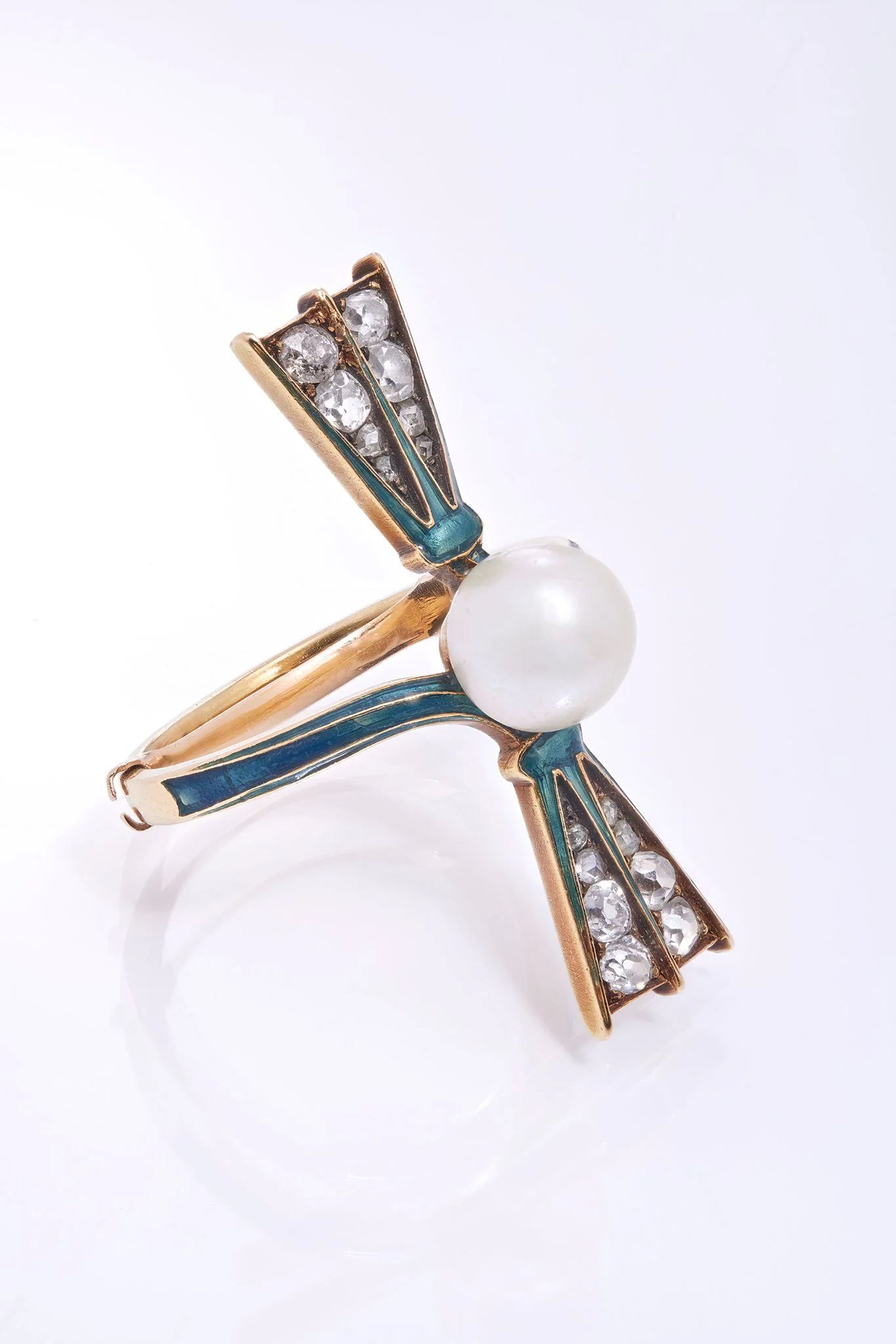
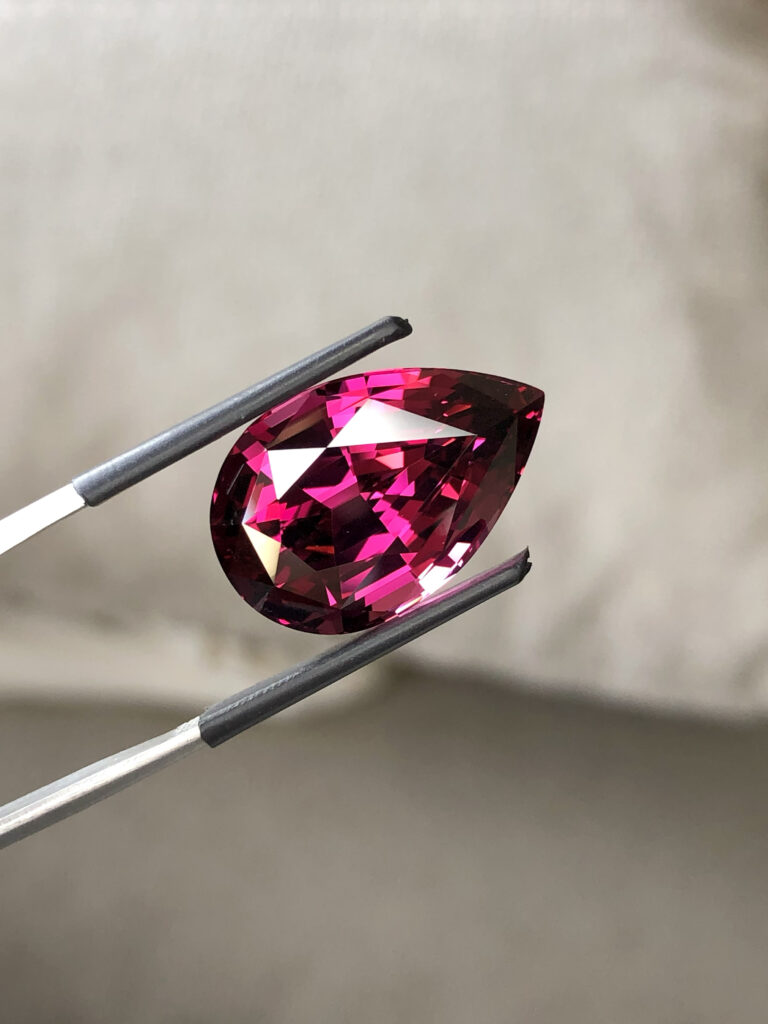
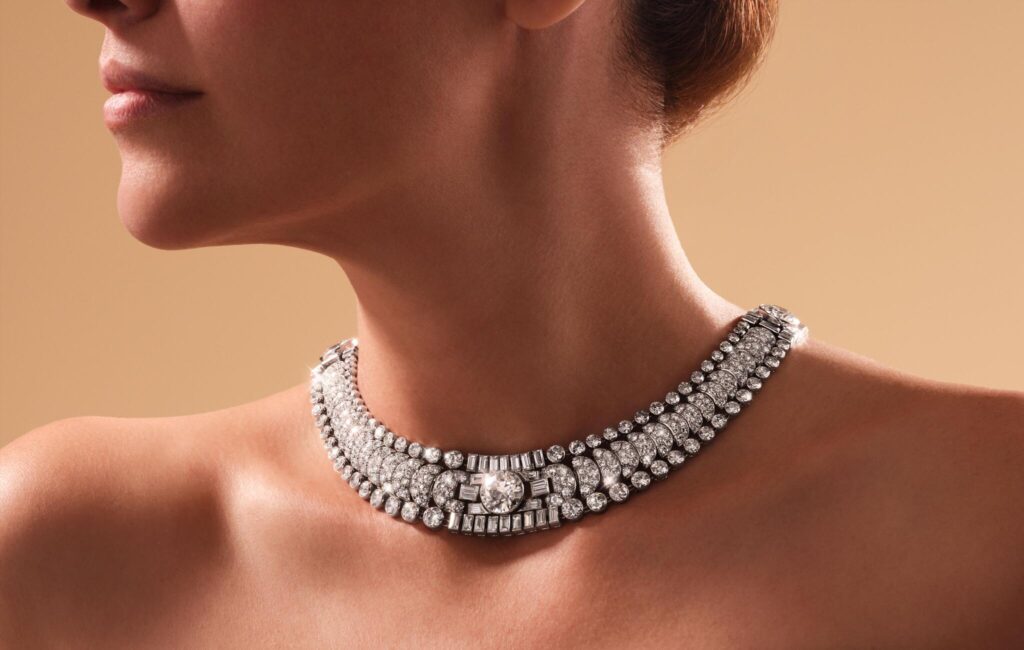

Chaumet was the official jeweler to Napoleon and Josephine Bonaparte
In the late eighteenth century, Chaumet was appointed official jew- eler to the future Emperor of the French. In addition to elaborate parures for Empress Josephine and the imperial court, Chaumet crafted tiaras, diadems and other ornaments, marrying precious stones and political power.
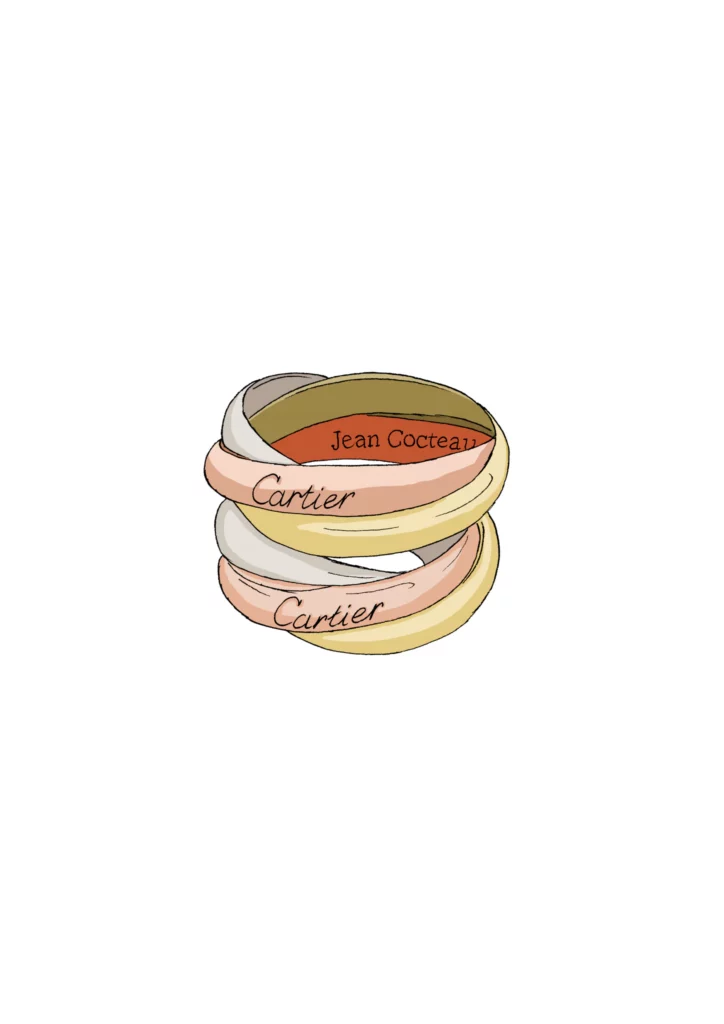
Jean Cocteau has a connection with the Cartier Trinity ring
Three interlocking bands of yellow, white and rose gold, rep- resenting fidelity, friendship and love, make up this iconic ring, designed by Louis Cartier in 1924. The poet Jean Cocteau wore two stacked on his little finger – in fact, legend has it that he was the inspiration for its creation.
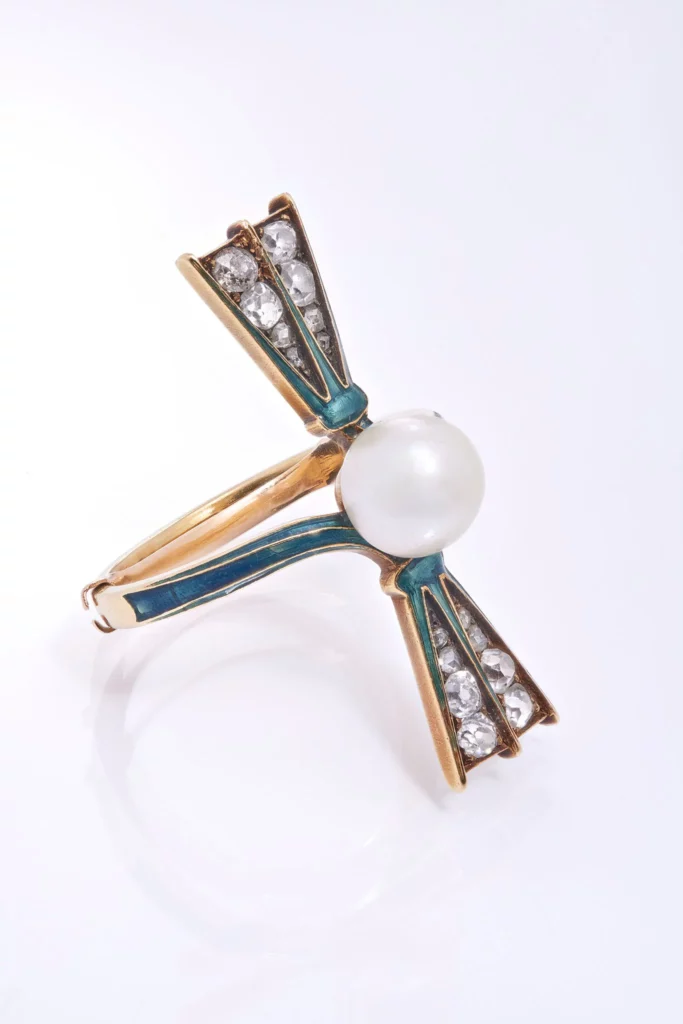
Pearls were once more precious than diamonds
Before the introduction of cultured pearls in the early 1900s, natural pearls were exceptionally rare and the chances of find- ing a pearl in a wild oyster were slim. Coveted for their beauty and scarcity, pearls could command a higher price than the finest diamonds.
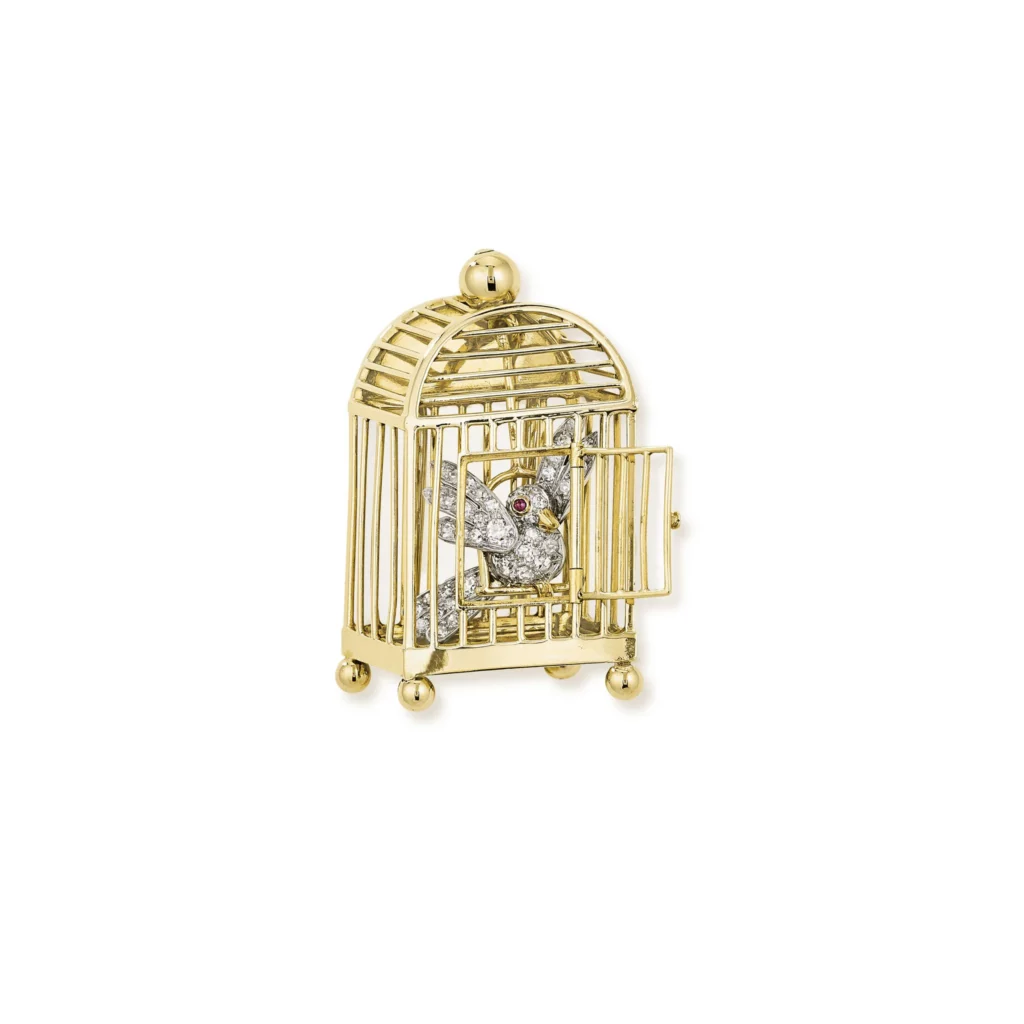
Van Cleef & Arpels’ L ’Oiseau Libéré has historic significance
Created in 1945 to celebrate the Liberation of Paris, this poetic brooch shows a bird flying free from its cage. This symbol of hope illustrates jewelry’s capacity to capture historic events in works of art.
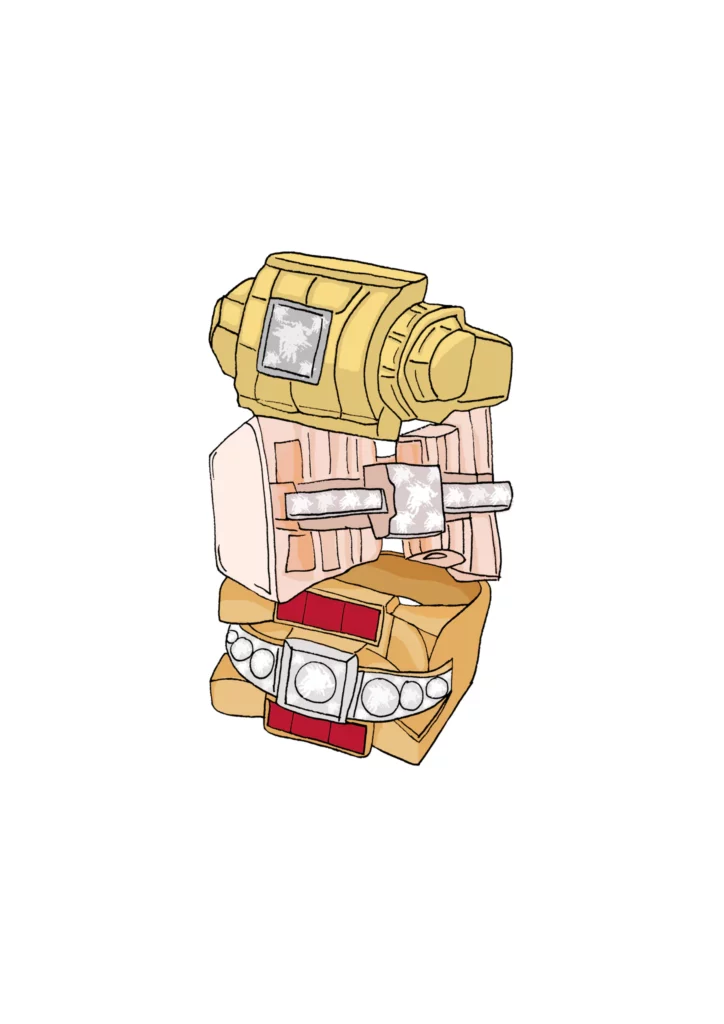
The Tank ring was inspired by the military
Imagined at the height of the Second World War, the Tank ring, a symbol of female empowerment, takes its bold, geometric shape from its military namesake.
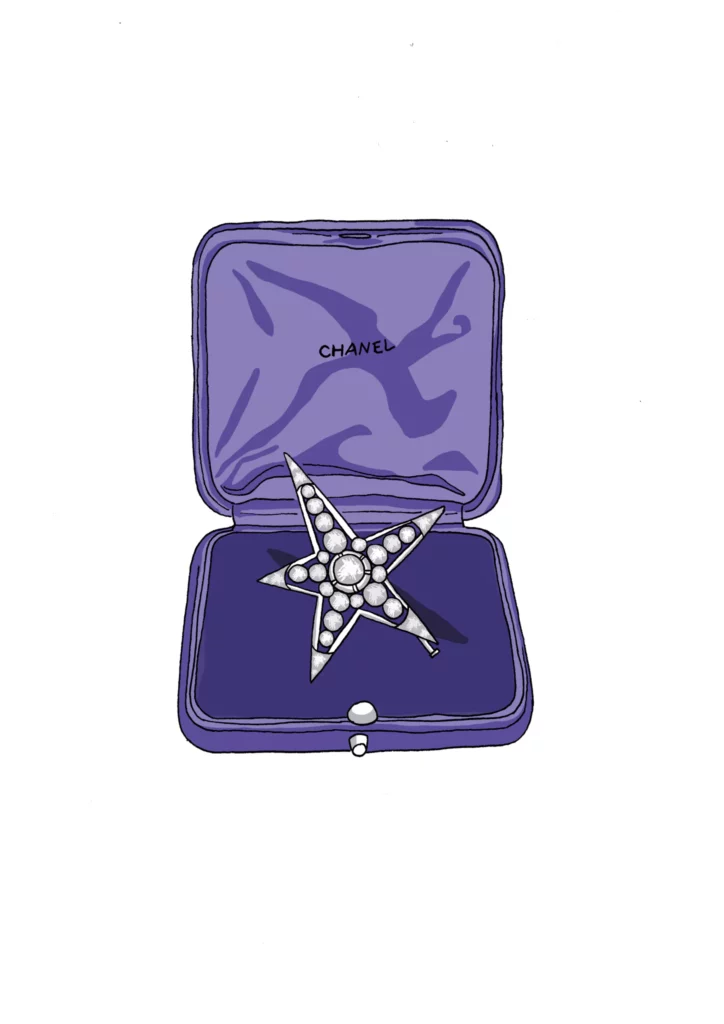
Chanel was a precursor for women’s liberation
In 1932 Coco Chanel presented Bijoux de Diamants, her first and only fine jewelry collection. Stars and comets – still favorite motifs for the house’s jewelry – adorned the fifty-some pieces, which were designed to be worn in less formal ways. Having freed women from corsets and invented the little black dress, Gabrielle Chanel’s jewelry marked another step towards female emancipation.
Wedding rings are thought to have originated in ancient Egypt
The ancient Egyptians are said to have been first to wear wedding rings, whose circular shape, having neither beginning nor end, symbolizes eternity. Since ancient Rome, wedding rings have been worn on the fourth finger of the left hand, believed to contain the vena amoris or “vein of love” that leads directly to the heart.