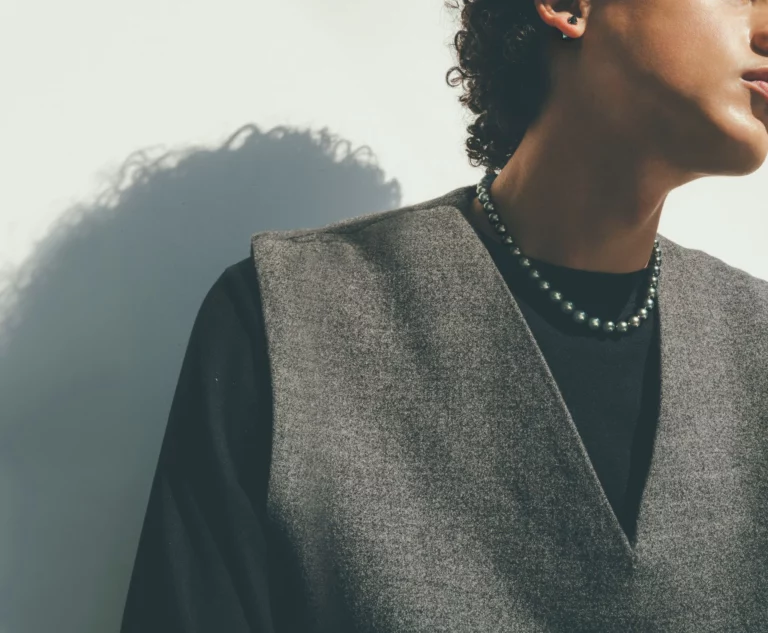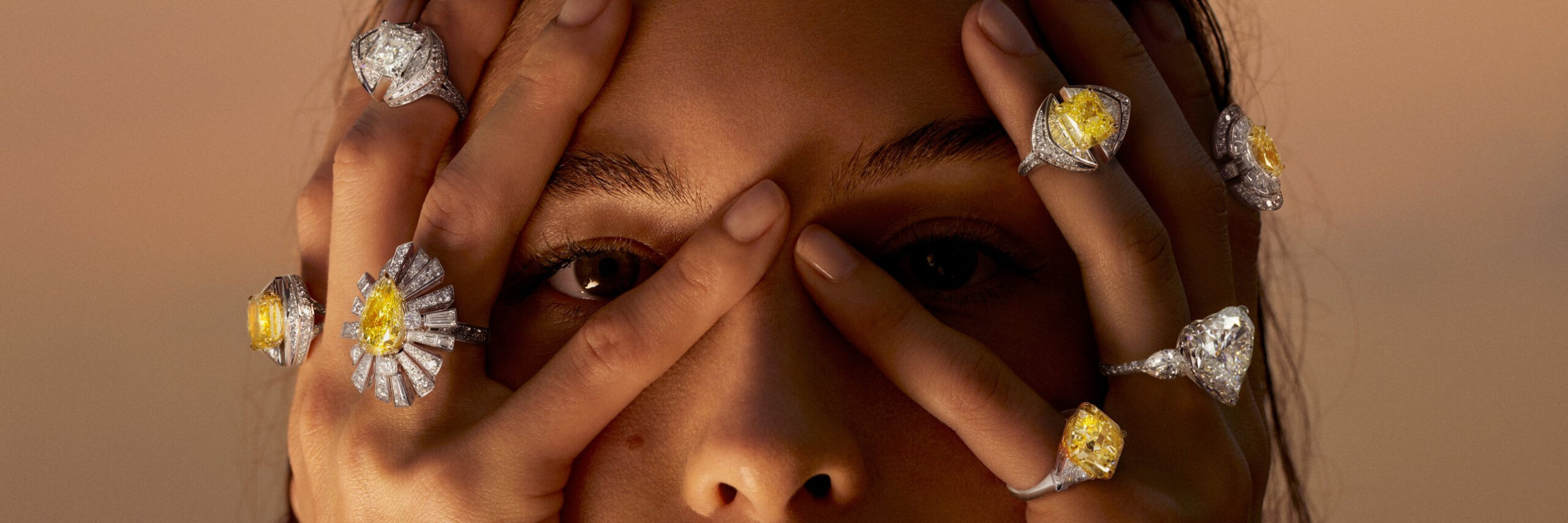


Laurence Graff founded his company in London in 1960. Having begun an apprenticeship as a teenager in Hatton Garden, London’s jewelry district, he is the very definition of a true “self-made man.” He climbed the ranks of the trade one step at a time through sheer hard work. His entrepreneurial flair, keen sense of opportunity, and boldness shaped his career path, leading him to build one of the top names in contemporary fine jewelry. Graff is renowned for creating some of the world’s most fabulous pieces of jewelry, which it showcases in more than 70 boutiques worldwide. Honored by the British Crown for his contribution to the industry, he has passed the torch to his son François and sums up his life’s work as follows: “Graff is a family business; those who purchase our jewelry become part of our family.” Every piece, before going on sale, has been reviewed and approved by a member of the family.
Vertical integration
What sets Graff apart is the control it exercises over the entire value chain of a gemstone, from diamond mining to the finished piece of jewelry that will be crafted and displayed in its showcases. This complete vertical integration is made possible through SAFDICO (South African Diamond Corporation), its subsidiary responsible for sourcing, cutting, and polishing, as well as a significant stake in Gem Diamonds, a major global diamond producer that operates, among others, the Letšeng mine in Lesotho. This gives the company direct access to the finest gems and allows it to rank among the most renowned buyers of rough diamonds. At Graff, it is truly the stone that takes center stage: the design does not precede the diamond—it flows from it.
Legendary diamonds
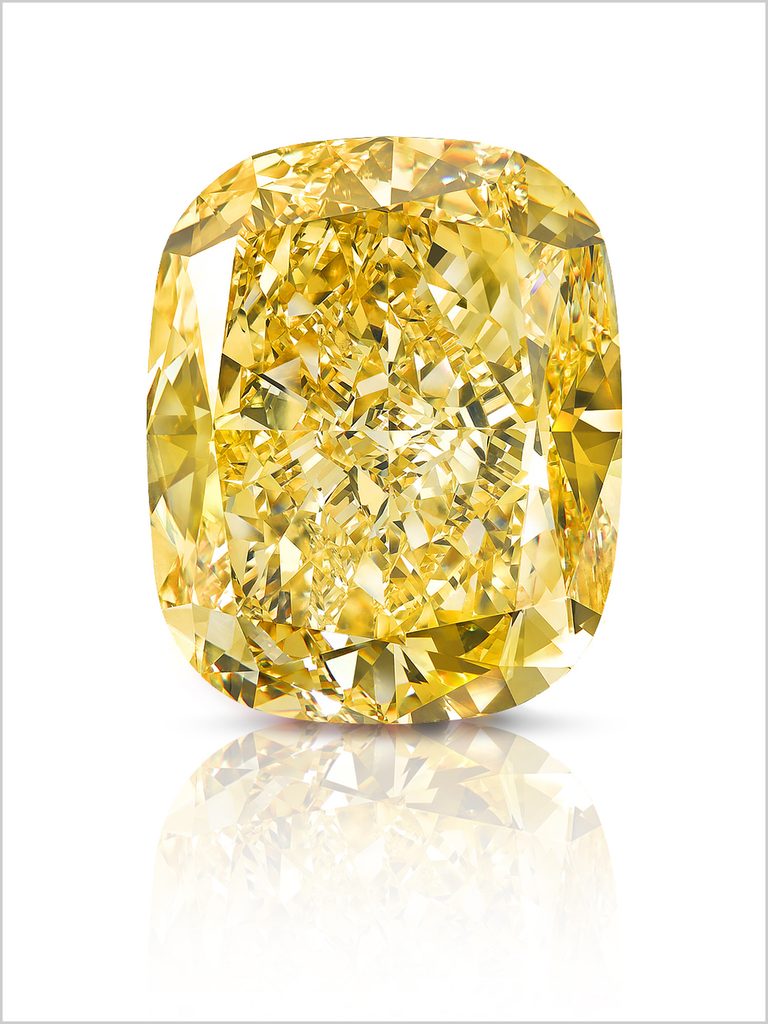
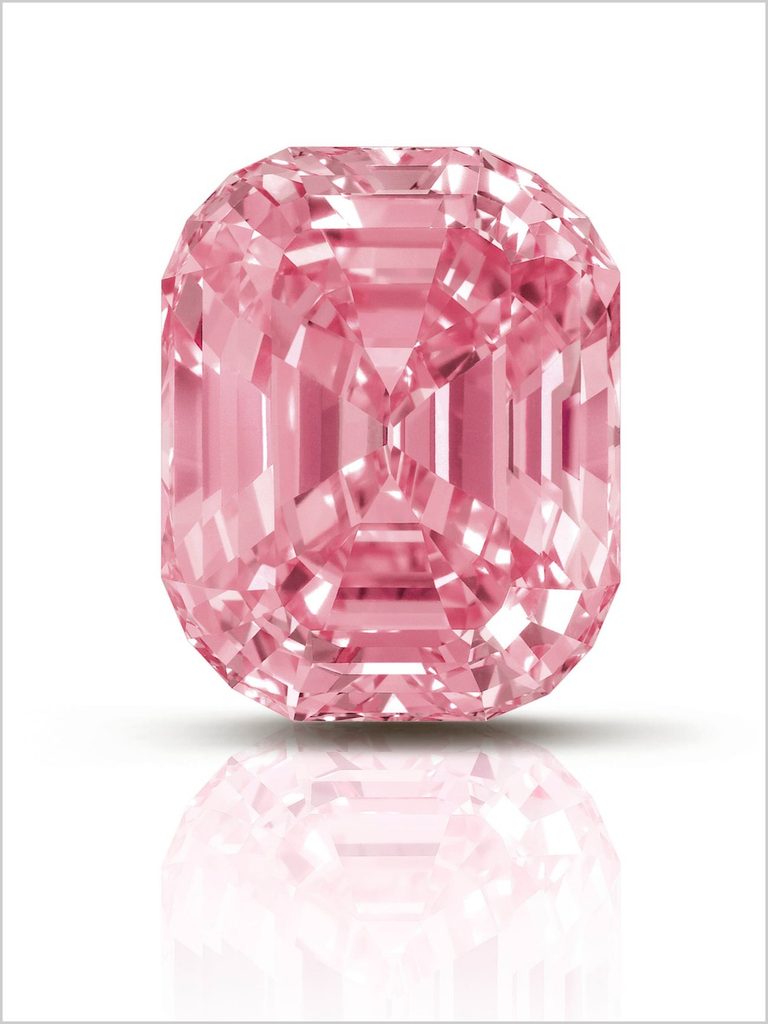
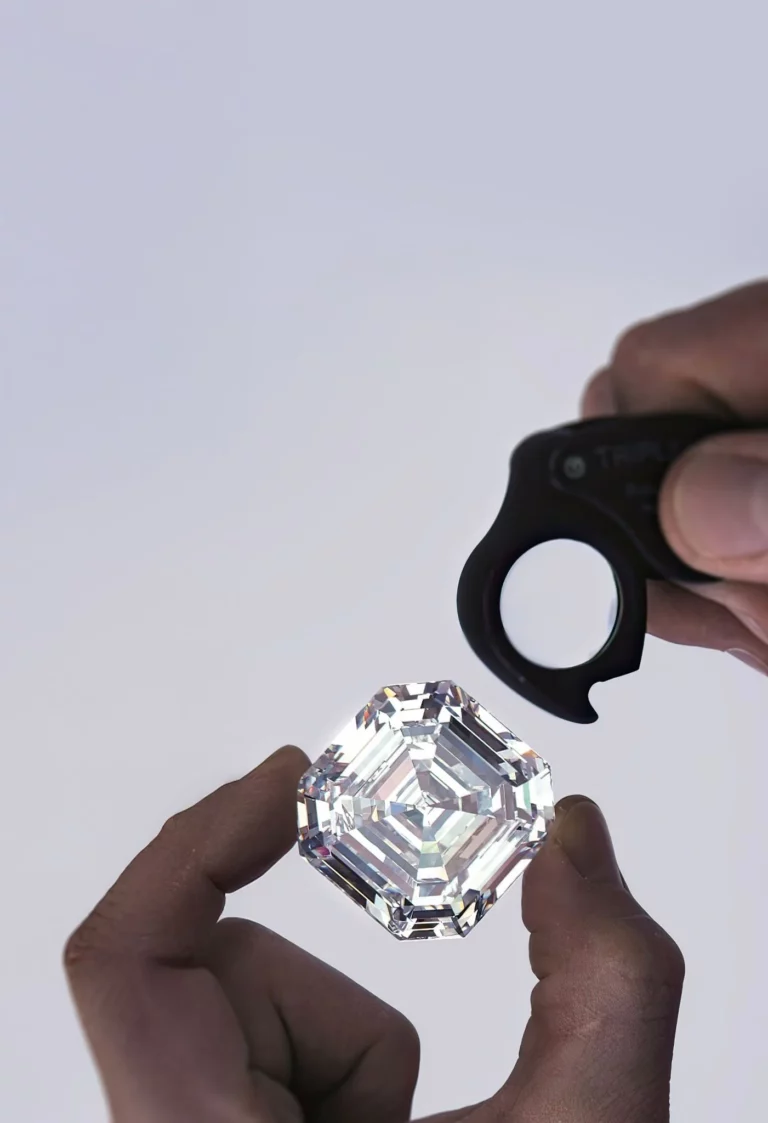
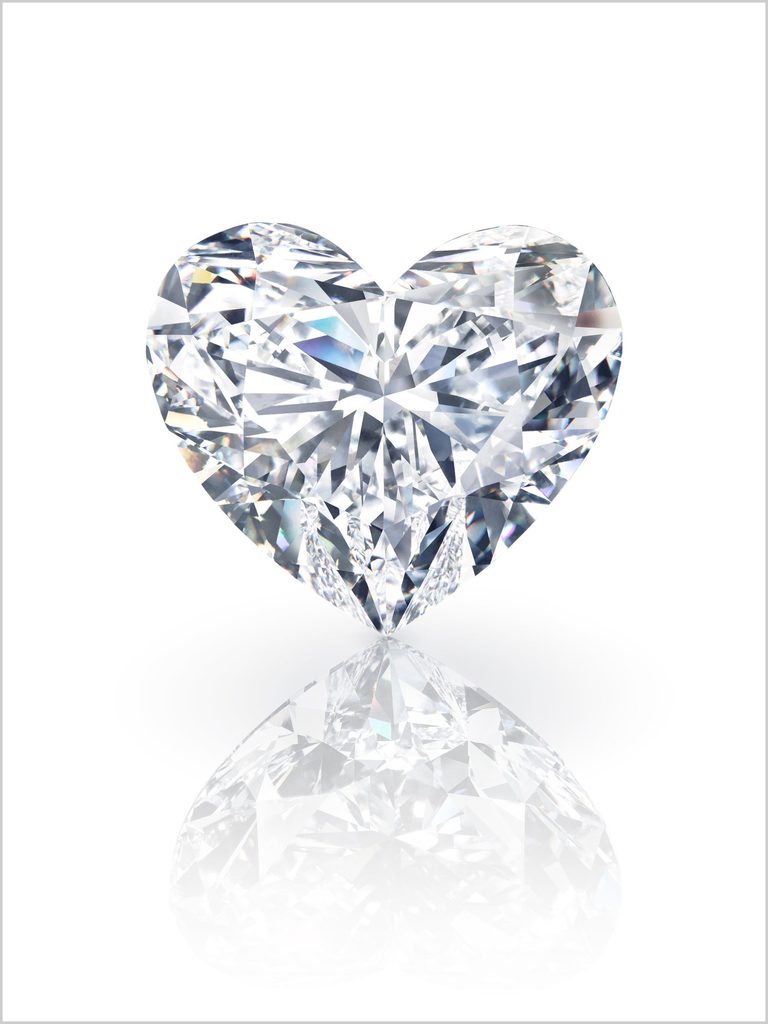
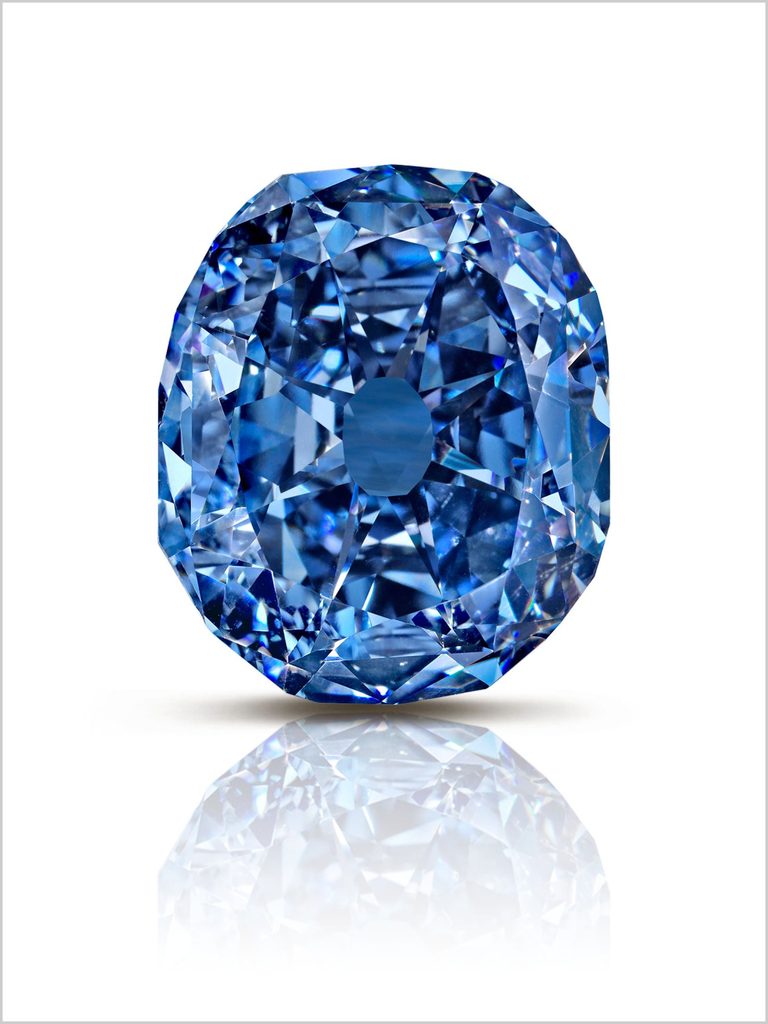
The brand’s true icons, then, are diamonds. Graff has crafted some of the largest stones ever discovered: the Graff Lesedi La Rona, weighing 302.37 carats and cut from a 1,109-carat rough—the world’s largest square emerald-cut diamond, certified by the GIA for its exceptional color and clarity; the Graff Venus, the world’s largest D Flawless heart-shaped diamond, weighing nearly 119 carats; and the Graff Pink, a pink diamond of rare intensity, among the most famous ever cut. Added to these are the Delaire Sunrise, the Golden Empress, and the Promise of Lesotho. The house even goes so far as to recut historic stones to reveal their beauty, such as the Wittelsbach, a blue diamond that belonged to King Philip IV of Spain before becoming part of the jewelry box of the Infanta Margaret Theresa. This marvel was acquired by Laurence Graff in 2008 at Christie’s following a memorable auction, and its recutting was the subject of much discussion. No jeweler has been associated with so many exceptional stones; it is these stones that have made the house a legend.
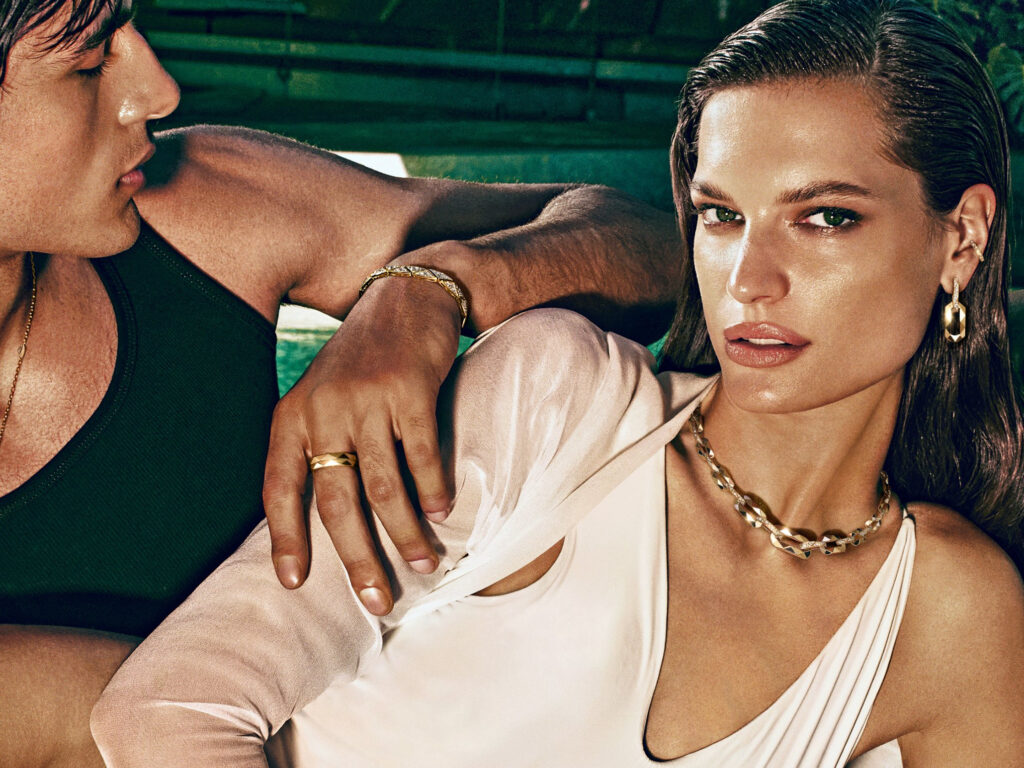
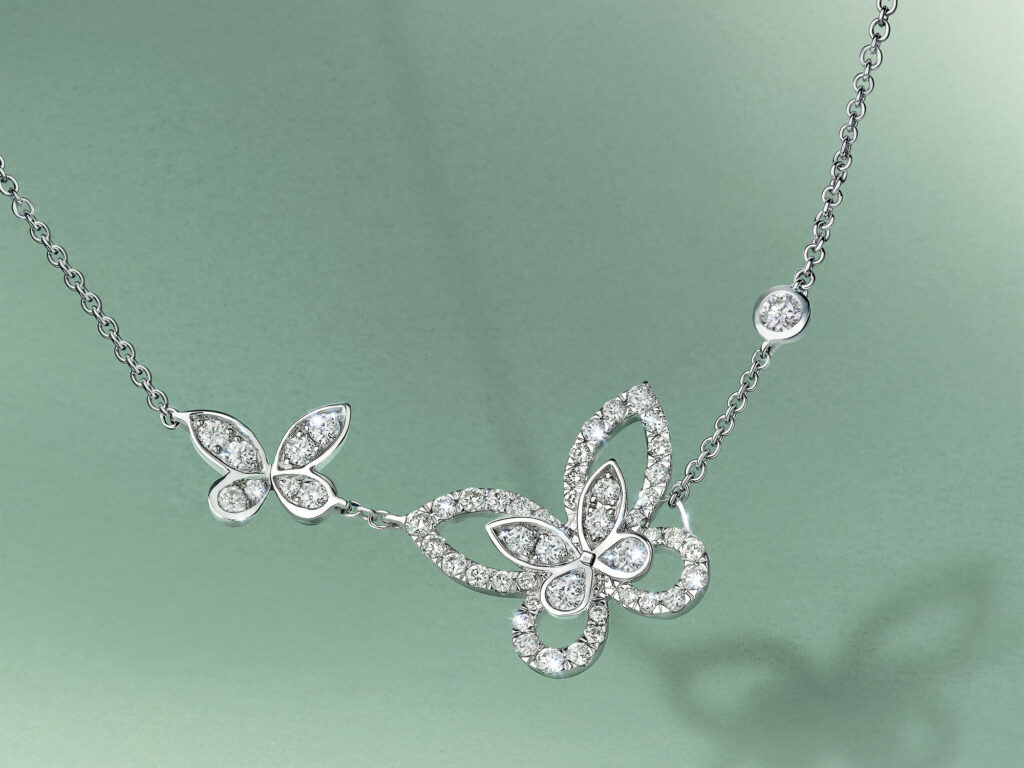
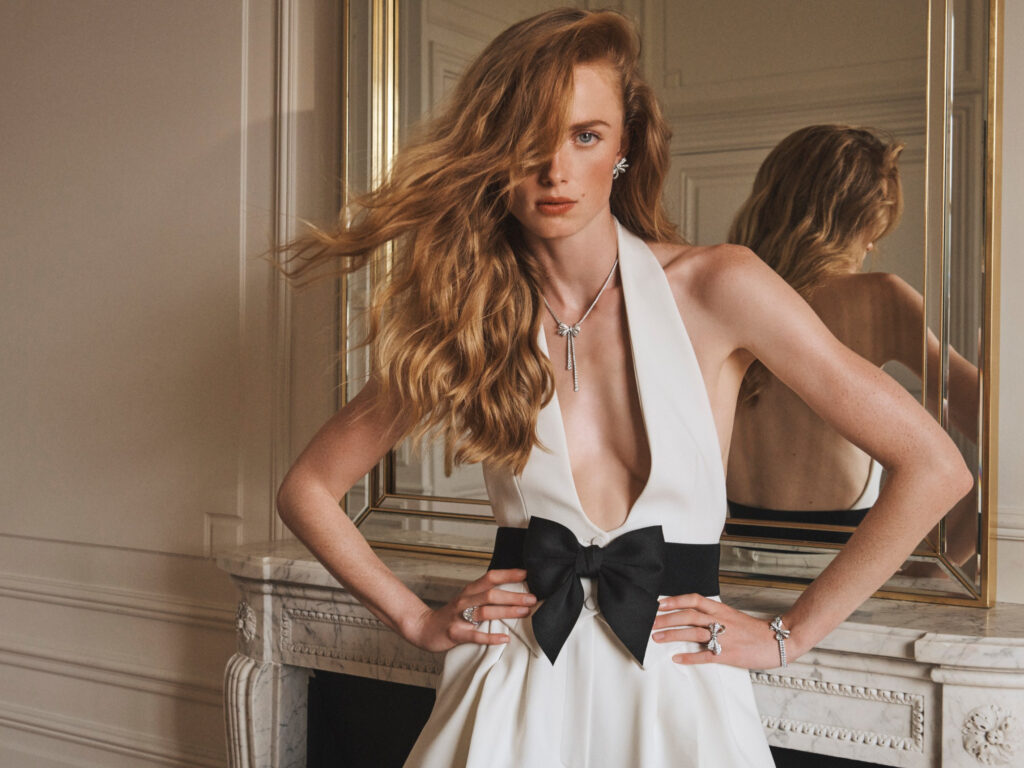
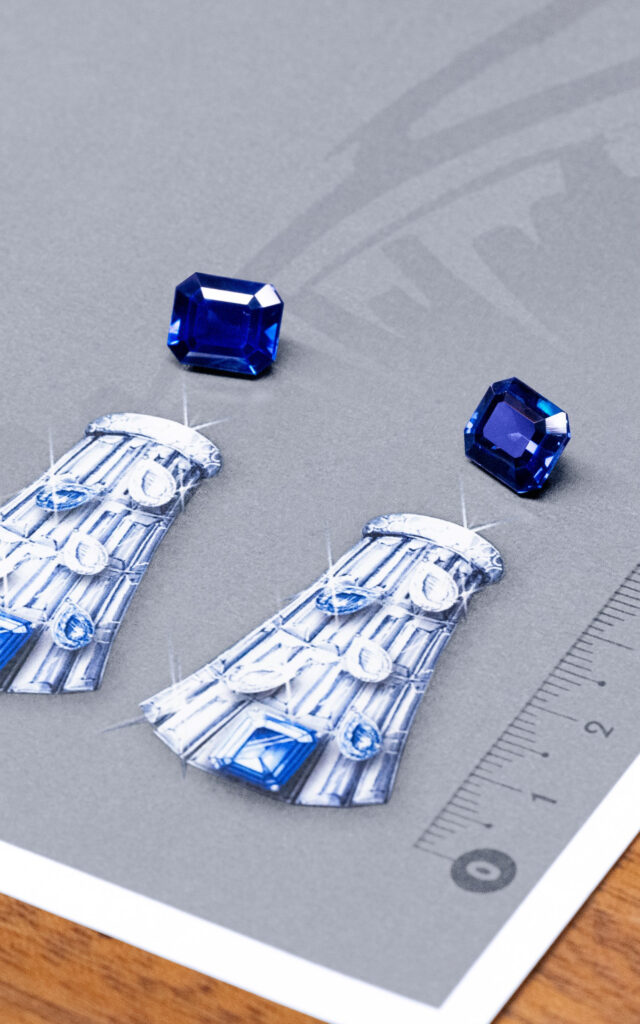
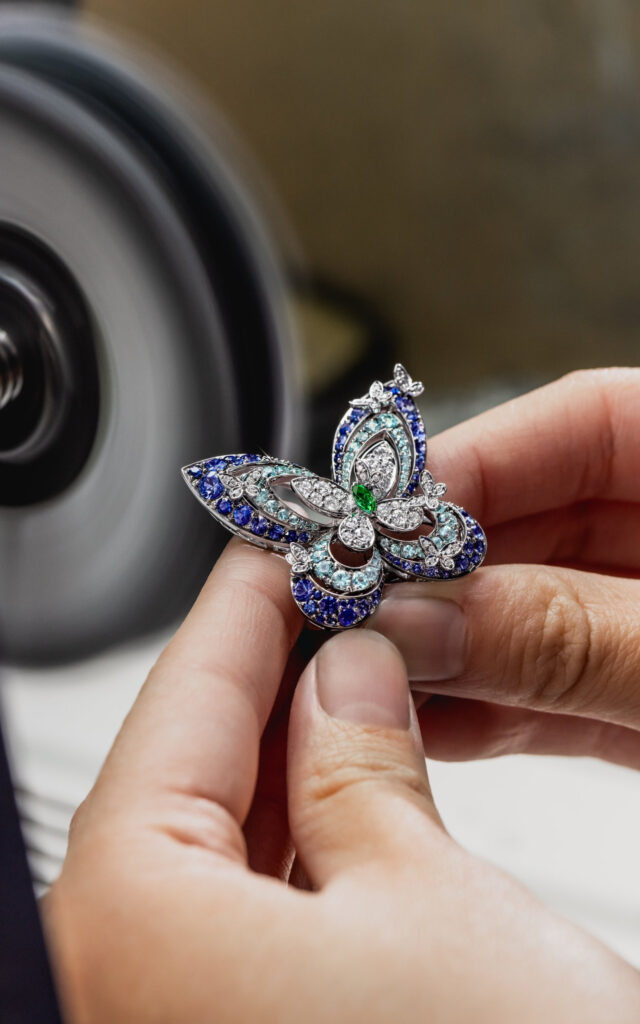
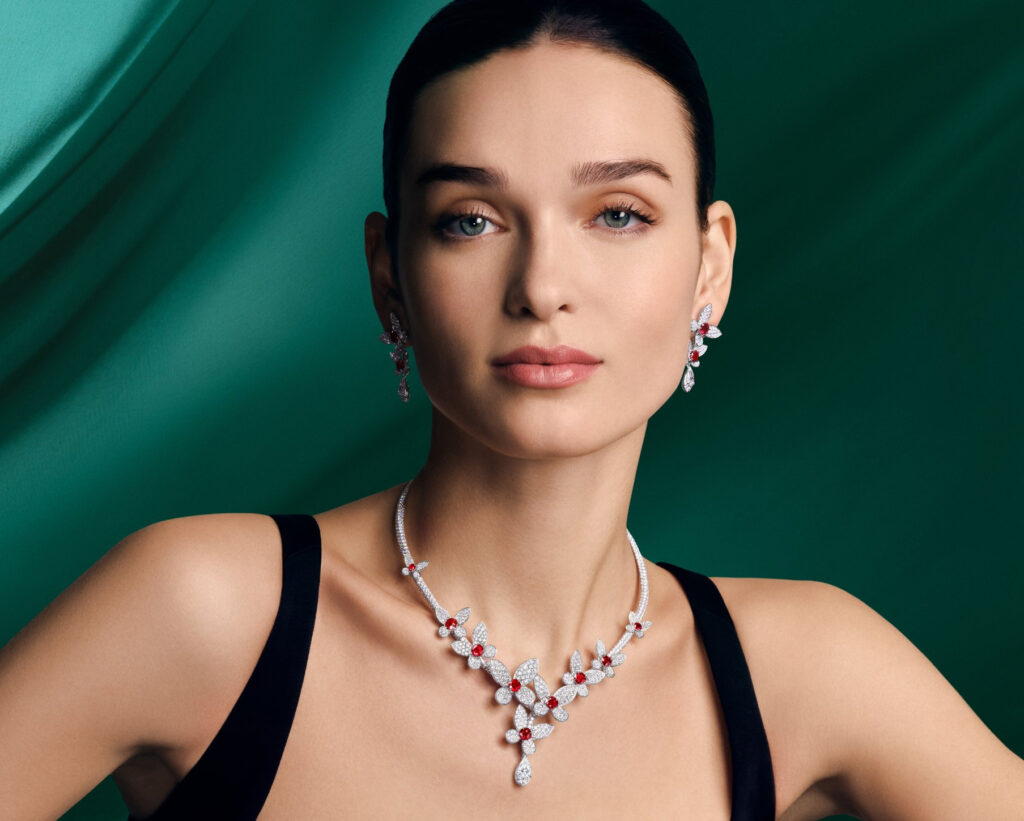
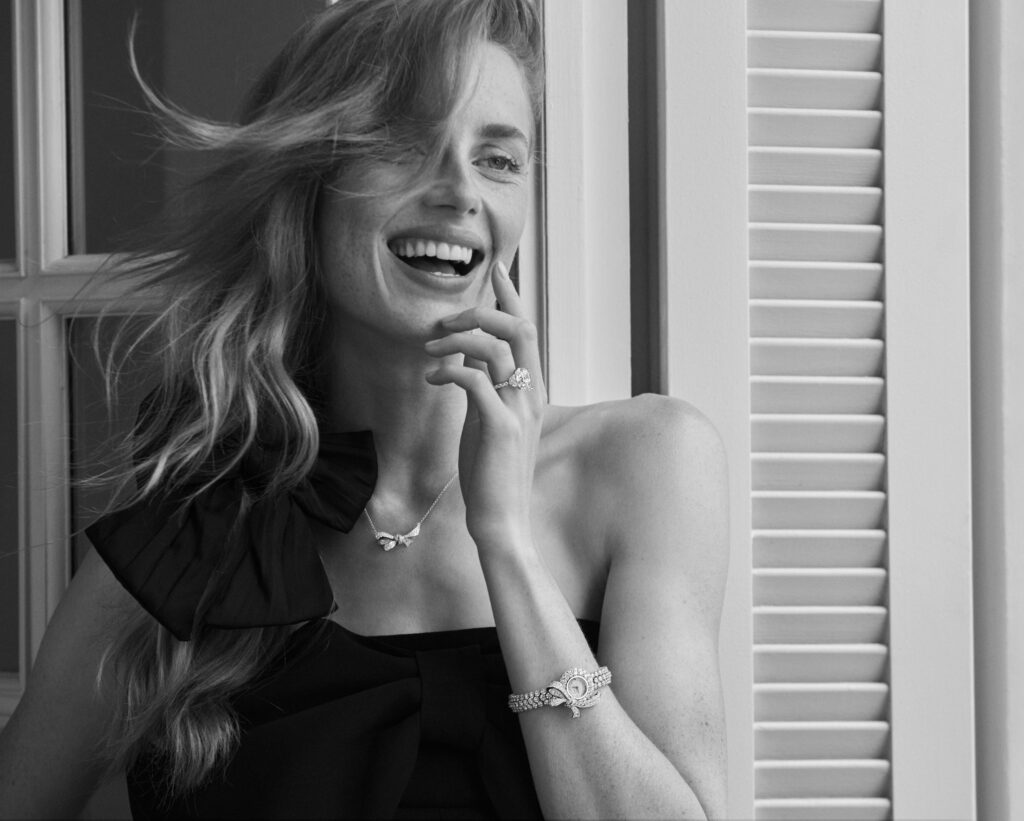
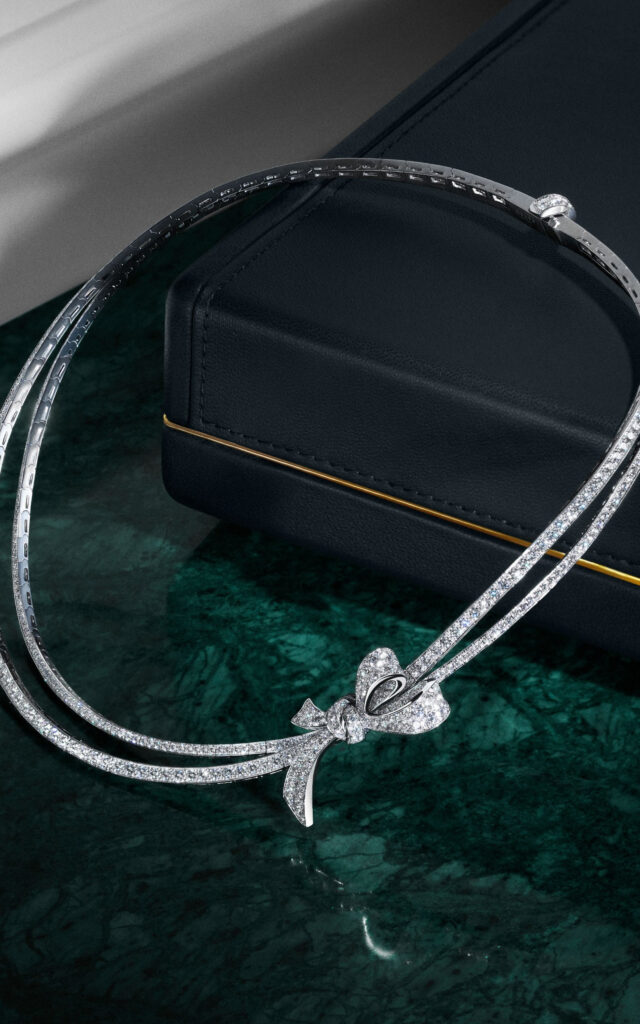
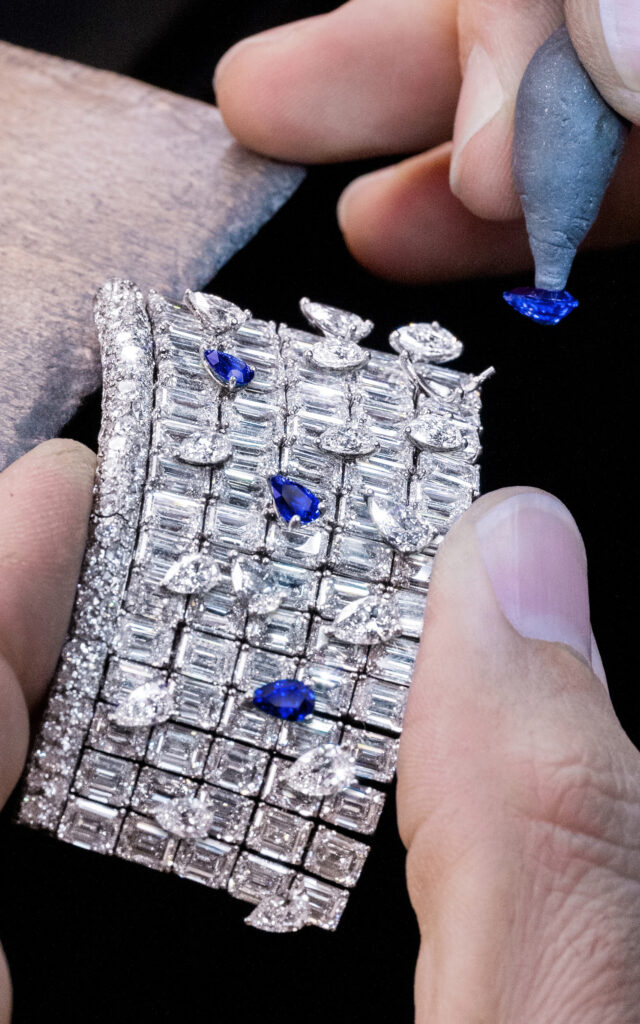
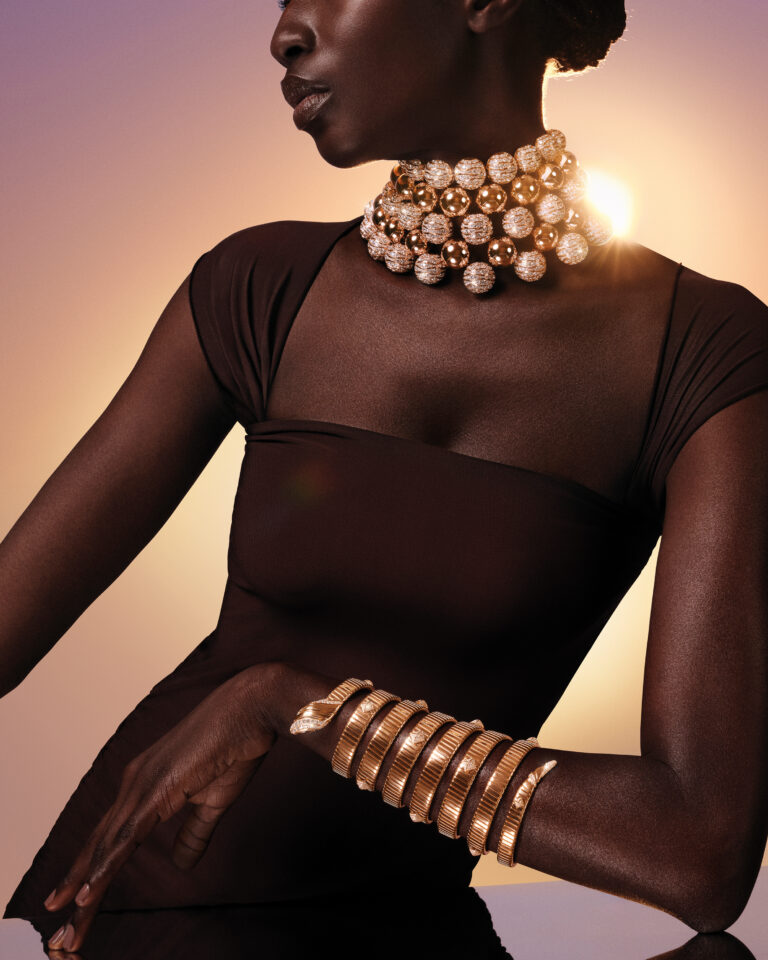
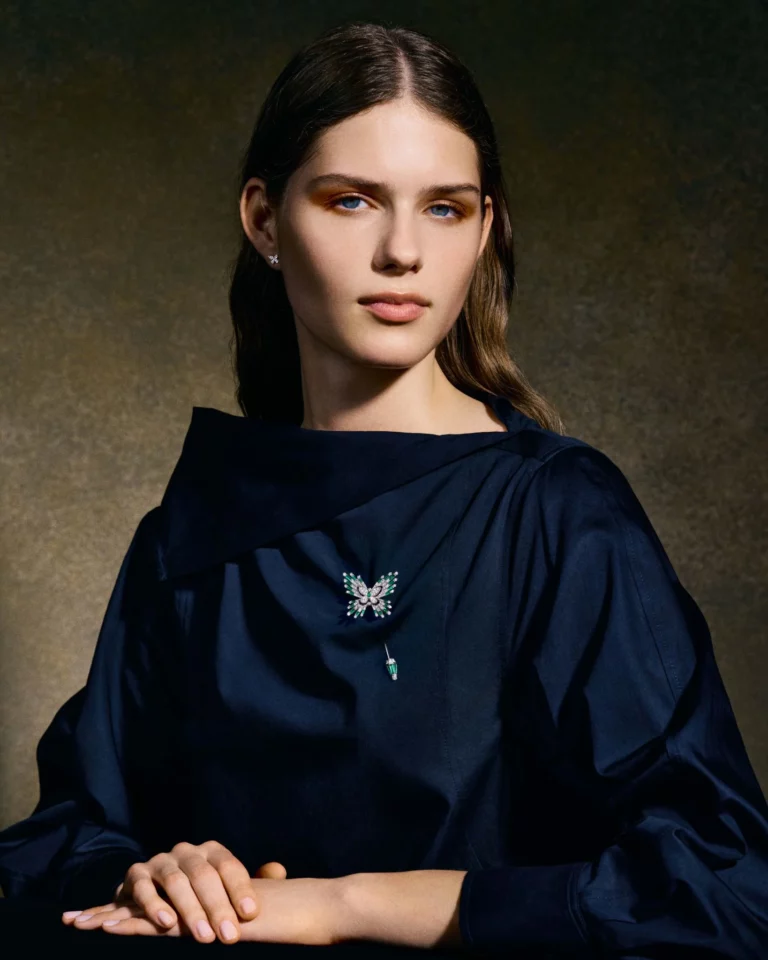
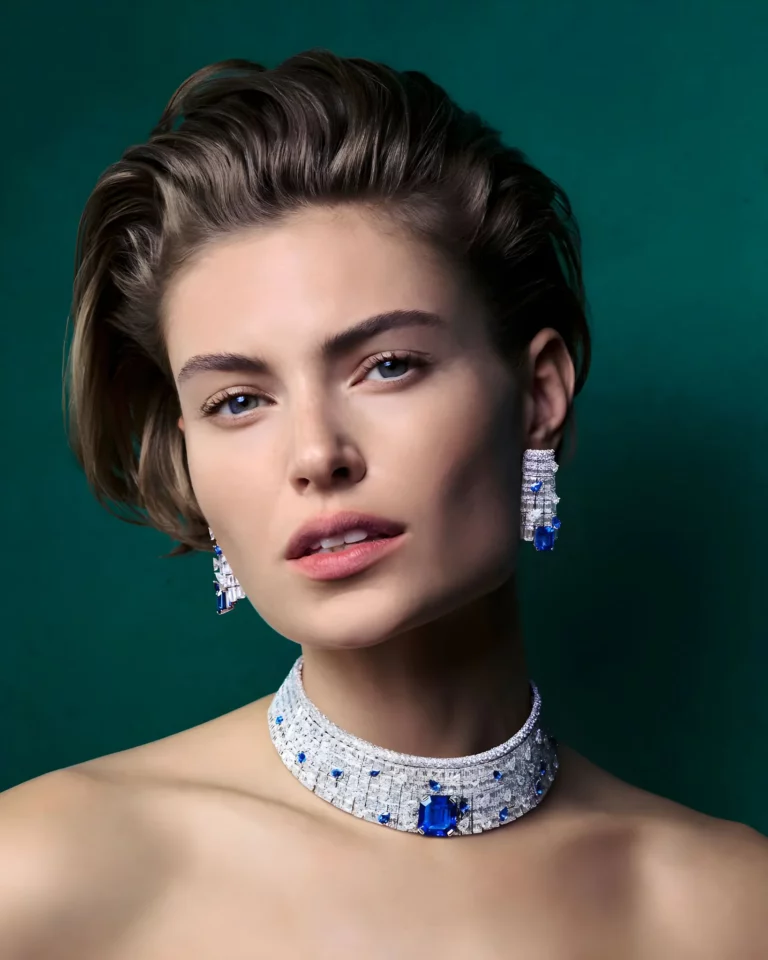
While extraordinary gemstones are used to create equally extraordinary fine jewelry pieces, Graff also draws on its expertise to create collections that are more suitable for everyday wear. The brand has carved out a premier position for itself in the world of weddings and engagement rings in particular. In its Mayfair workshops, the artisans are masters of both time-honored techniques practiced at wooden workbenches and innovative craftsmanship made possible by state-of-the-art machinery. Whether it’s a butterfly, a graphic motif, or a diamond bow, the house presents its jewelry in instantly recognizable signature styles, showcased in campaigns brimming with Hollywood glamour, and through its first-ever brand ambassador, Jung Kook—a global K-pop star who is now the face of the Laurence Graff Signature collection. More than half a century after its founding, the house remains true to Laurence Graff’s vision: to make every piece of jewelry—whether spectacular or understated—a showcase for the beauty of a gemstone.