


Mysterious and captivating, the opal has a history marked by both glory and oblivion. Often overshadowed by the diamond, it has nonetheless left its imprint on various eras, such as during the Art Nouveau period when Lalique elevated it to the pinnacle of jewelry creation. Its scandalous reputation, born during the Renaissance and perpetuated by its fragility – a stone that easily shattered in the hands of craftsmen – long made it a cursed gem. Yet its legacy, rich in legends and symbols, is once again enticing those who appreciate its complexity as much as its enigma. Fragile, sometimes containing up to 30% water, it demands extreme delicacy in handling. A challenge that today attracts jewelers, won over by its changing reflections and its power to tame light. While the black opal fascinates with its intense and deep fires, the lighter variations, such as the white opal, are no less sought after for their purity. History also remembers legendary pieces, like the famous “Fire of Troy”, a blazing opal gifted by Napoleon to Josephine. Whether it is set raw, sculpted, or chiseled amidst a bed of precious stones, the opal reminds us that the ultimate luxury lies in uniqueness: each specimen is a unique work of art, a jewel endowed with its own personality. Its virtues? The opal is considered a stone of intuition and creativity, reputed to stimulate clairvoyance and the mind.
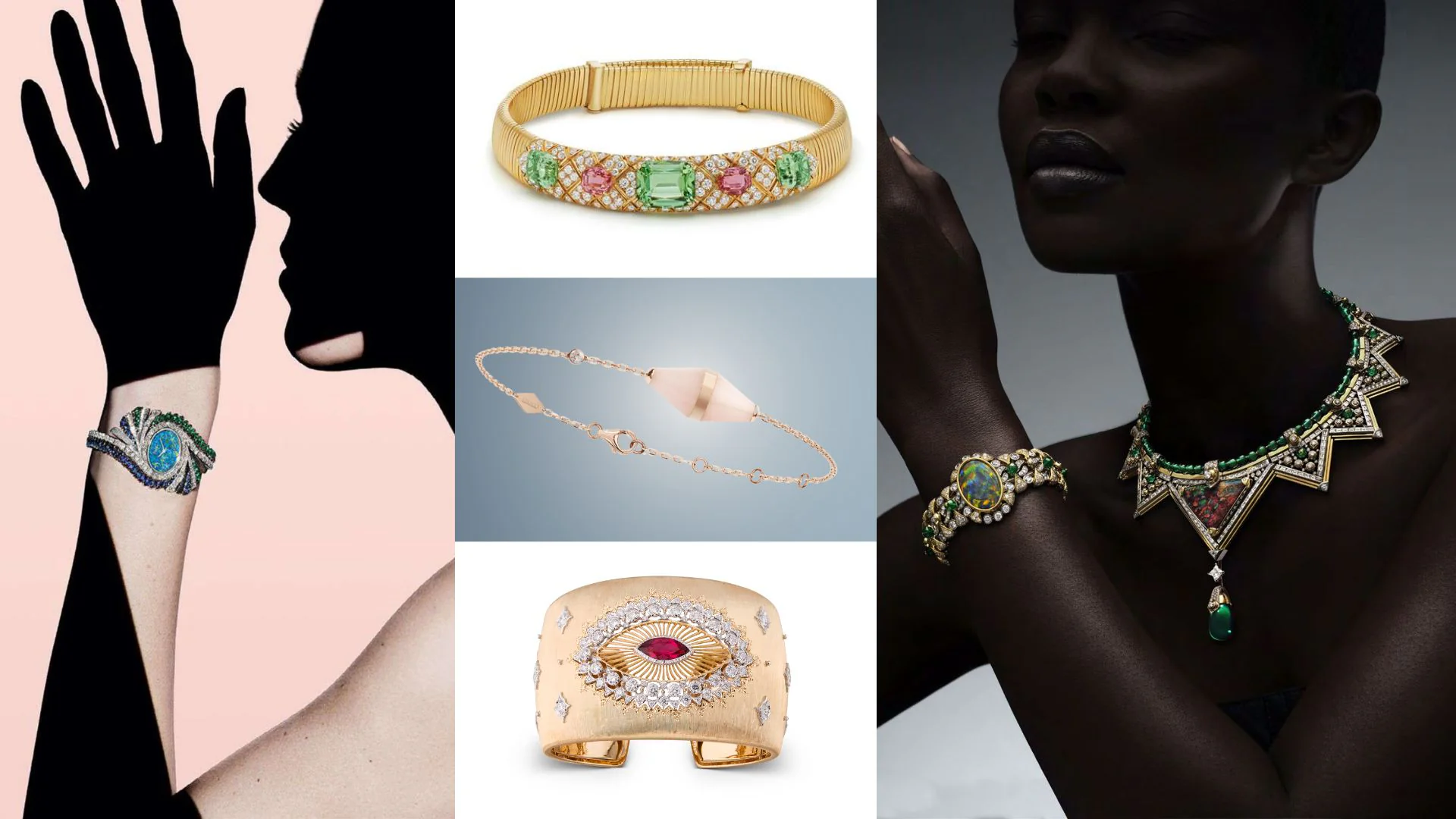
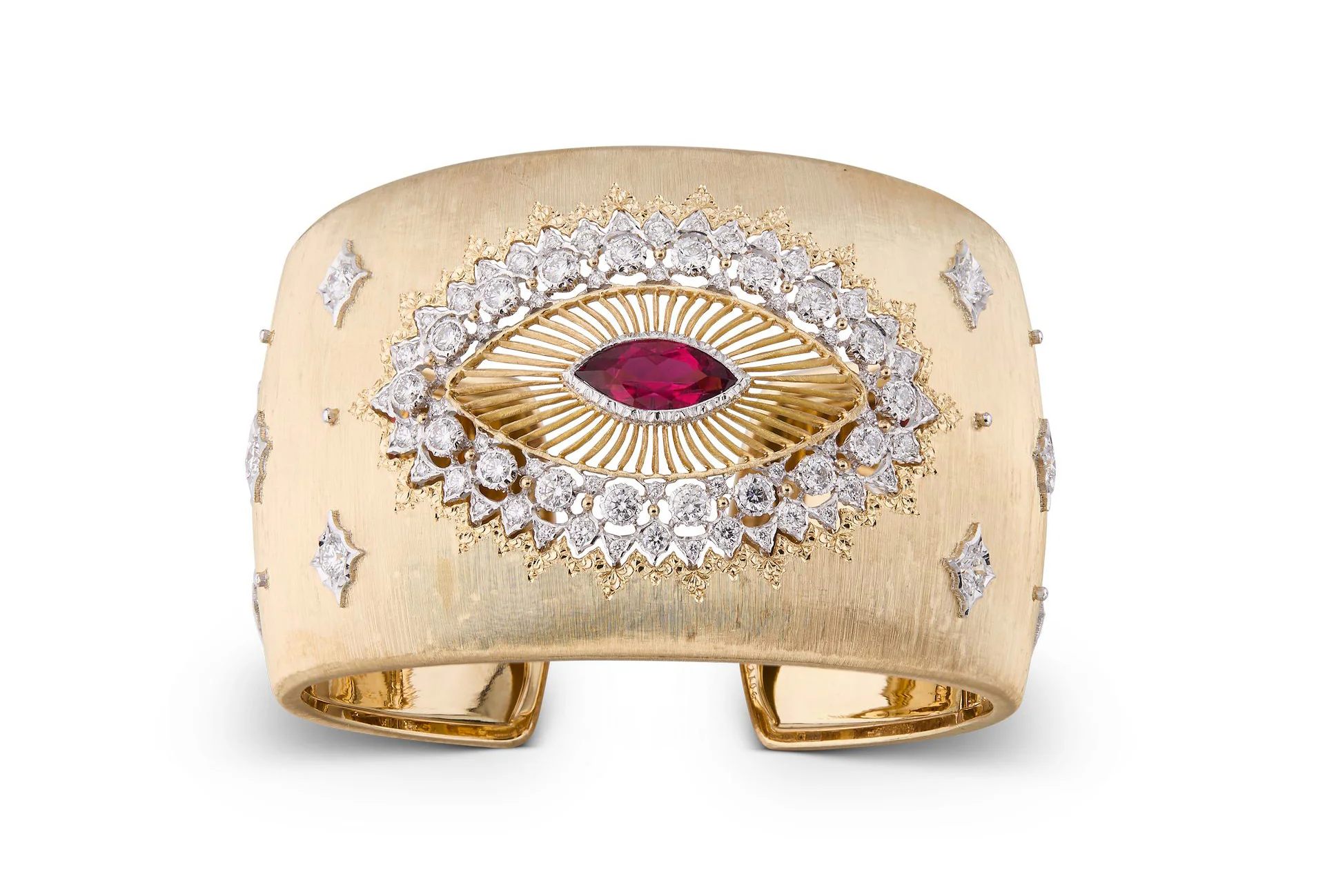
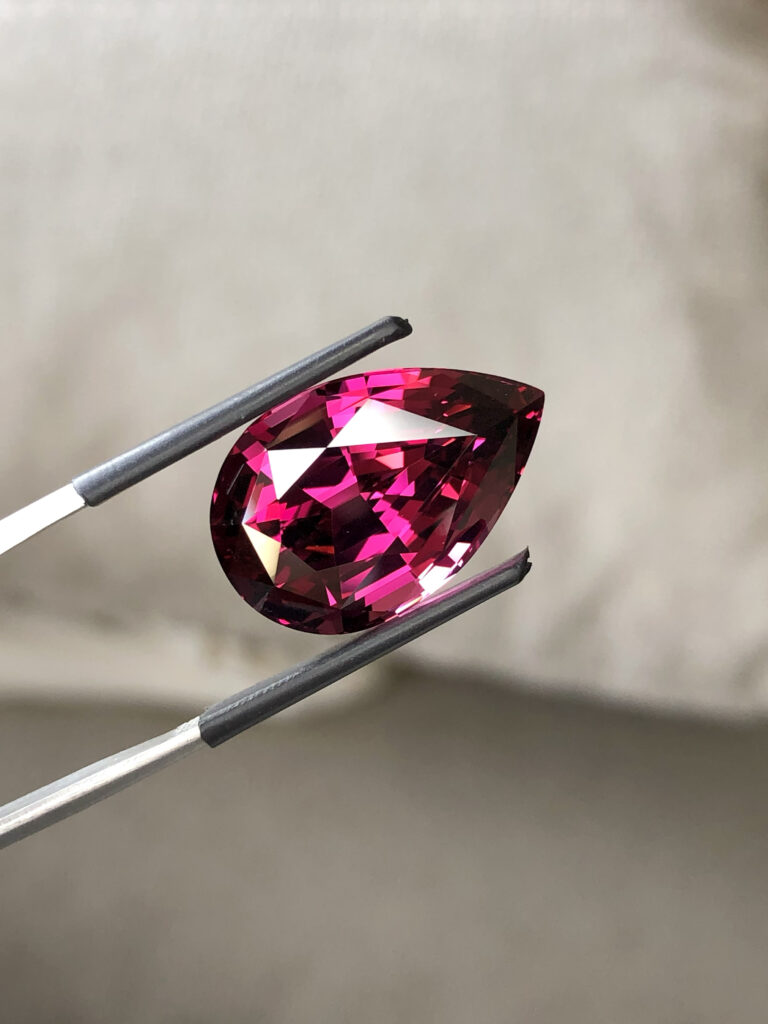
As for tourmaline, it is perceived as a stone of protection and grounding, capable of repelling negative energies and bringing inner balance. It captivates with its infinite chromatic palette. Green, blue, pink, black, or even bicolor like the famous “watermelon” tourmaline, it is one of the most prismatic stones in existence. Each shade tells a story: rubellite, with its deep pink hue, symbolizes passion, while green tourmalines evoke the vital force of nature. Already prized by Russian tsars and Chinese emperors, the stone also brings joy to jewelry designers today who exploit its multiple palettes to imagine dazzling adornments. More accessible than other colored gems, tourmaline also offers creative freedom. It asserts itself both as a centerpiece and in pavé settings, and happily pairs with diamonds and gold. In the jewelry universe, it has become a symbol of modernity: a chameleon stone that plays with all its facets to illuminate collections with its chromatic exuberance.