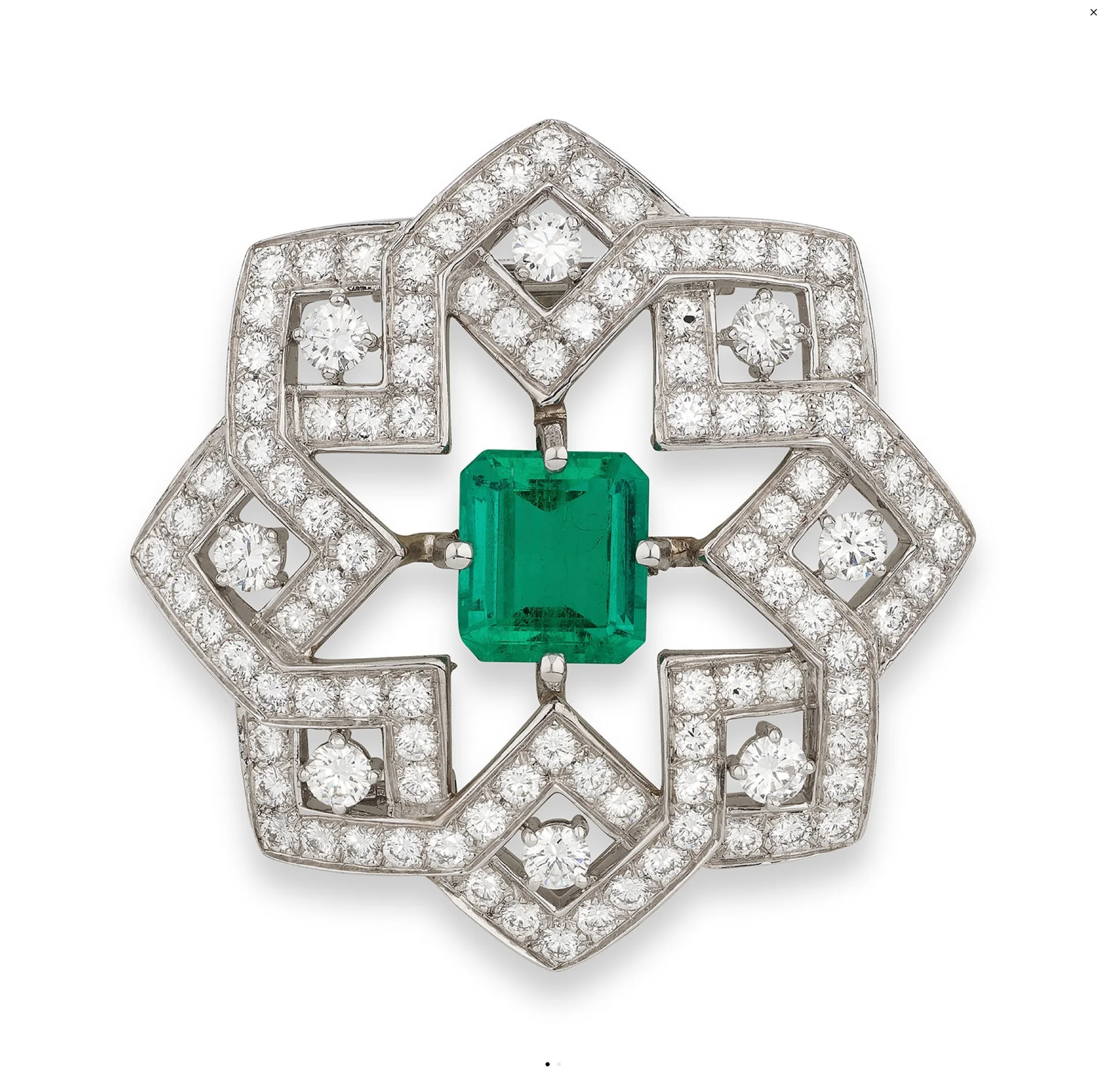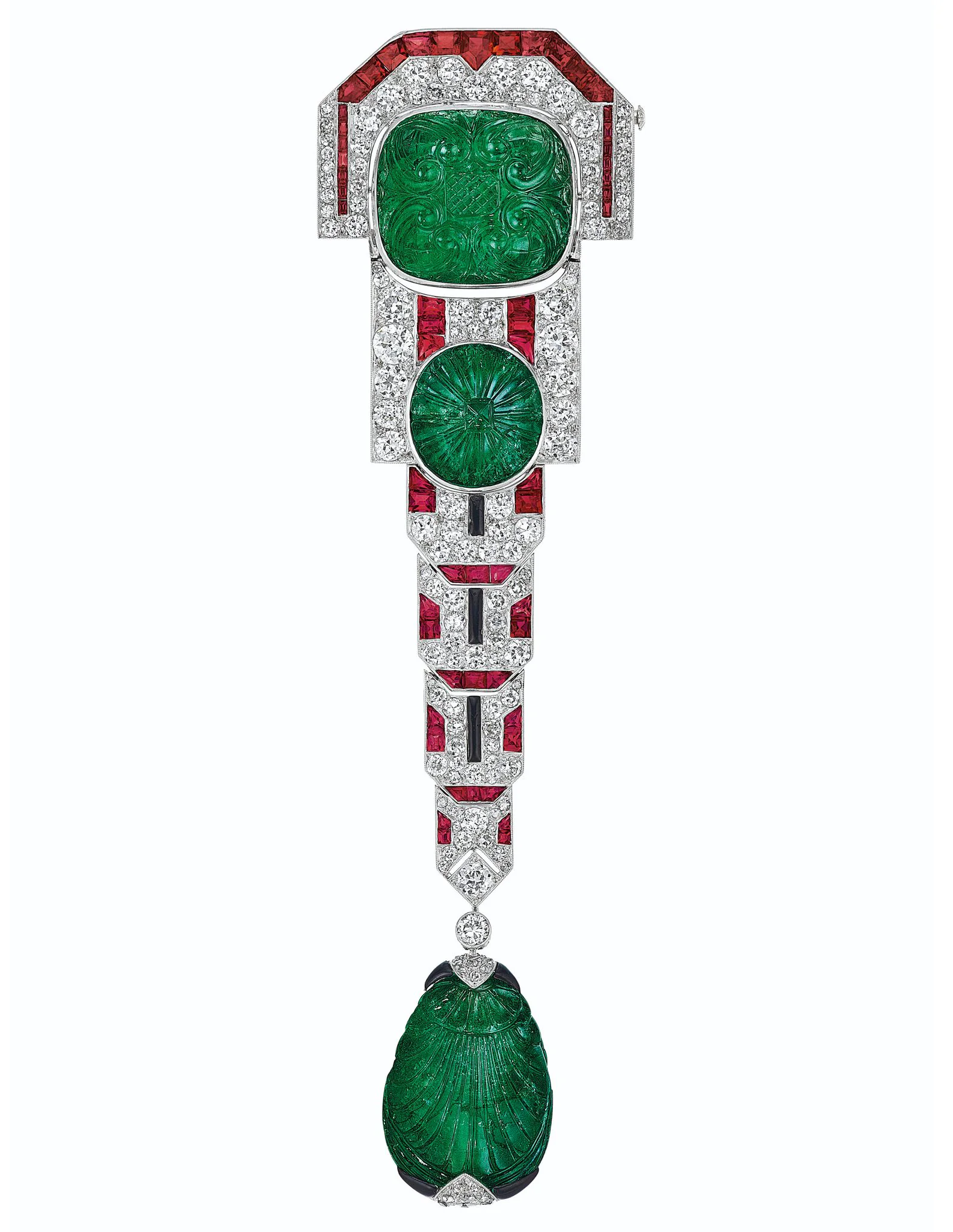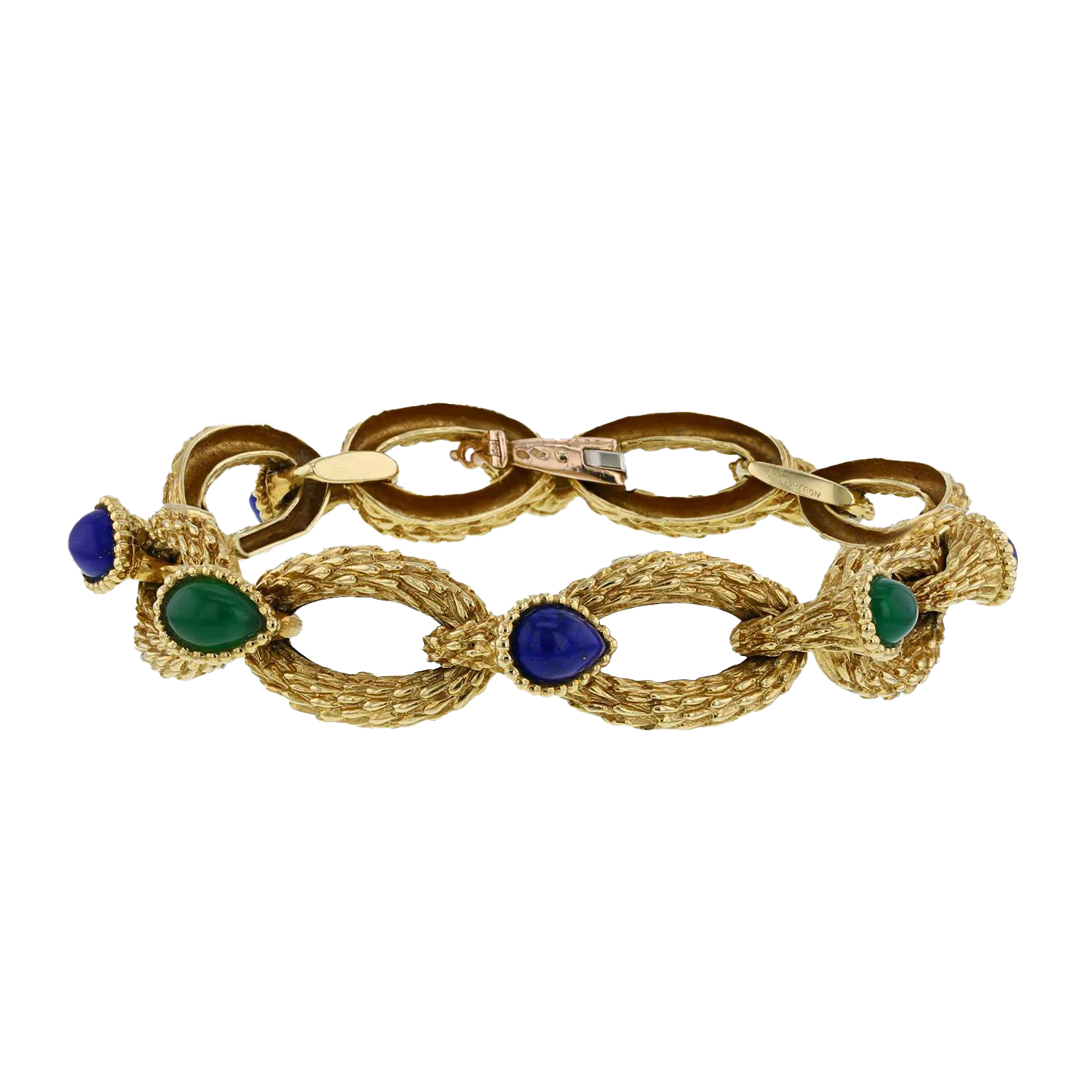


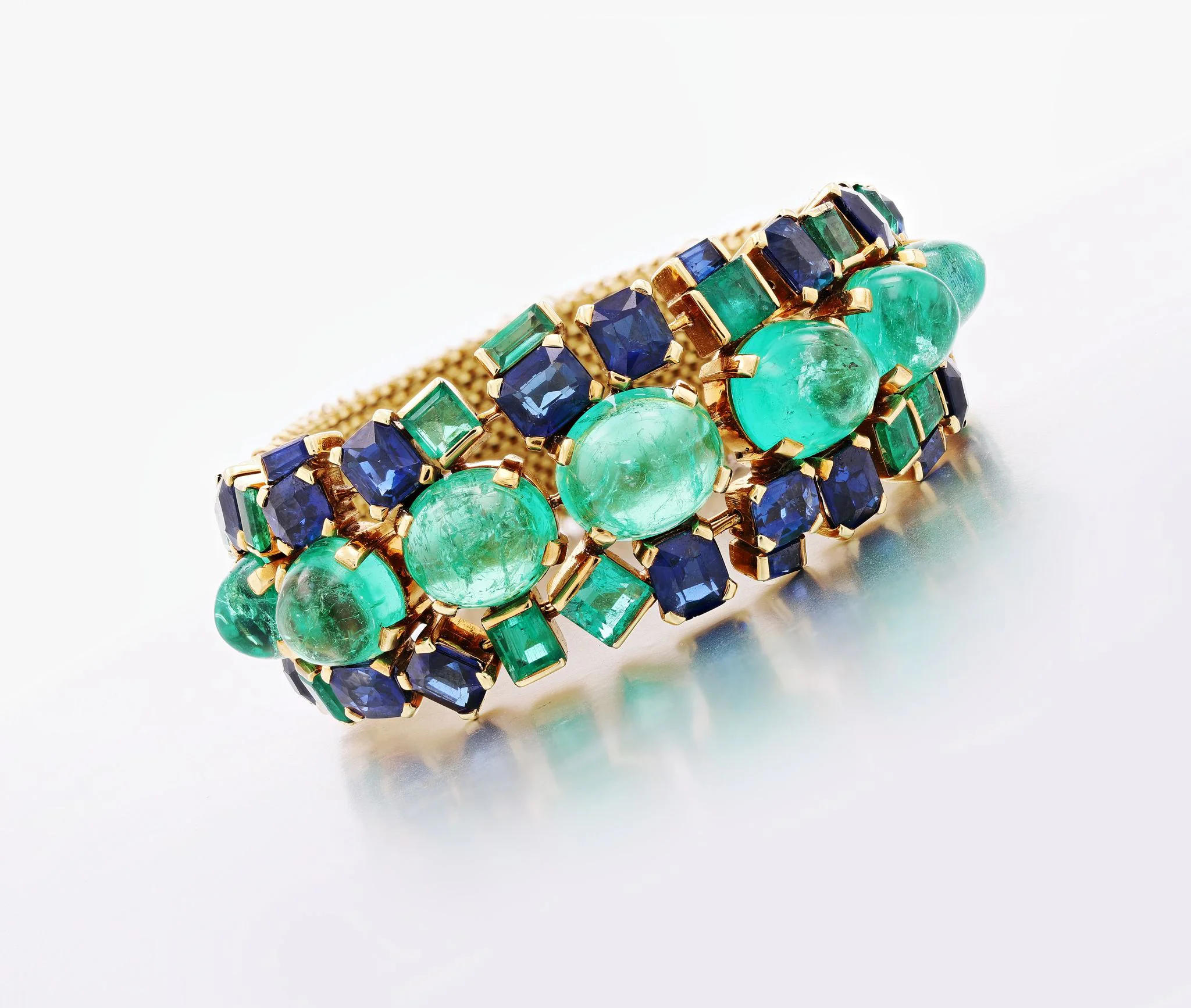
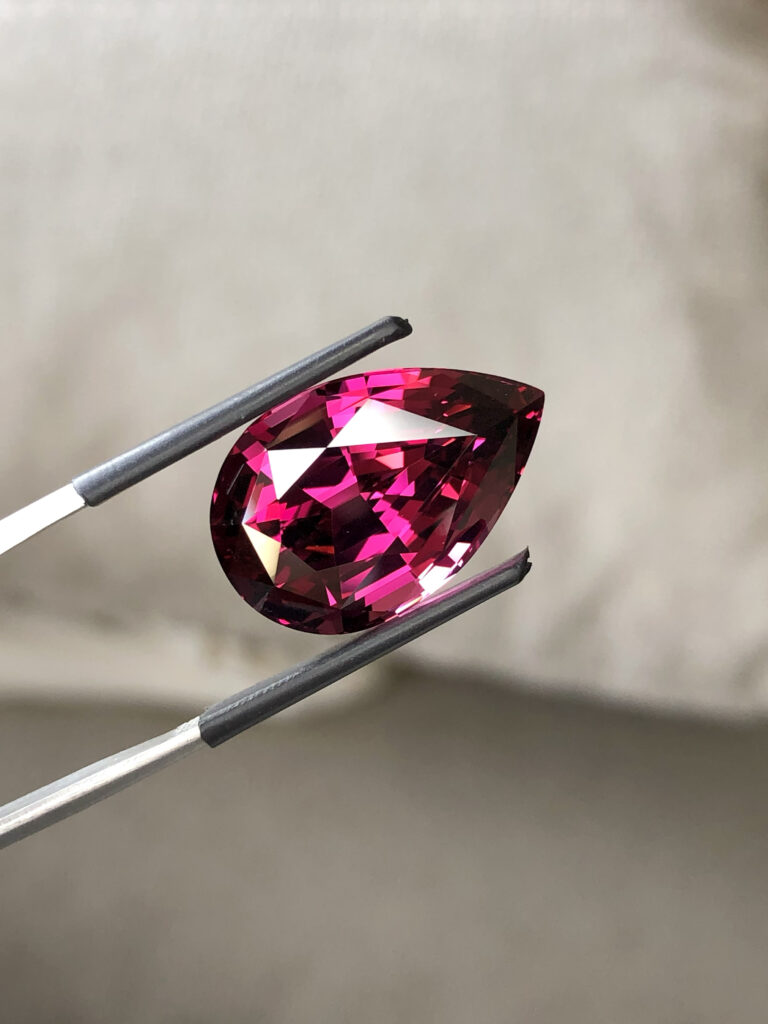
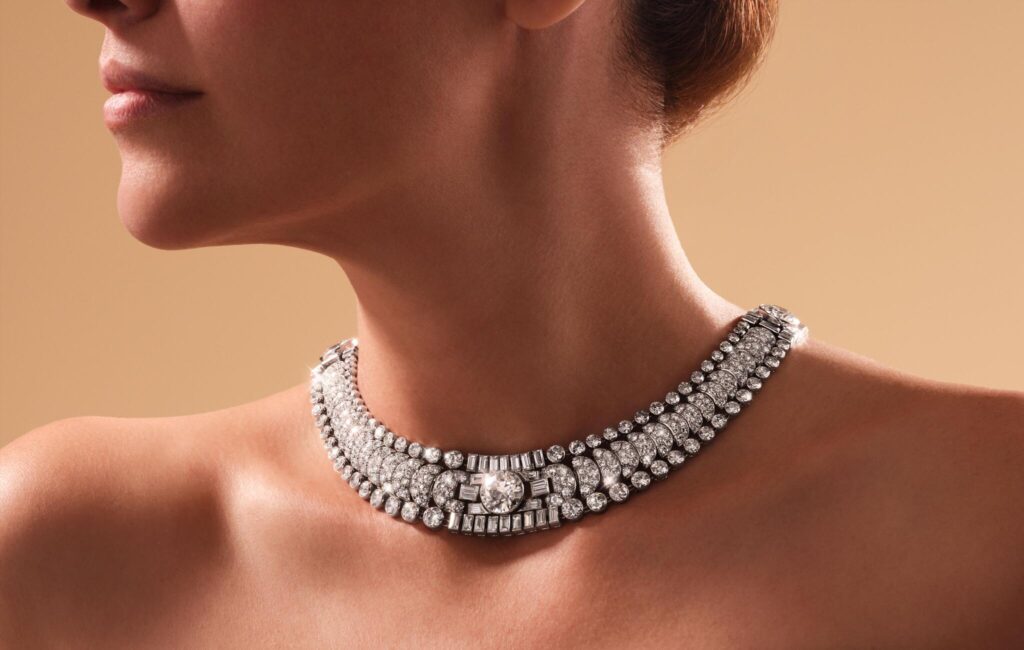

In November 2018 in Geneva, the gavel came down on a natural pearl owned by Queen Marie-Antoinette. Estimated at between one and two million dollars, it sold for… 36 million! “Bidding went on for almost 40 minutes. I’ve rarely seen jewelry exceed its estimate by so much,” says Magali Teisseire, head of the jewelry and watches division at Sotheby’s France who clearly still has vivid memories of the sale. In March 2025 in Paris, a natural unheated Burmese ruby (the most soughtafter origin), a perfect pigeon’s blood red, weighing 3.2 carats, achieved €660,000. In 2020 a Tutti Frutti bracelet by Cartier, estimated between $600,000 and $800,000, fetched $1.3 million in New York. Of course, such rare or historic jewels are of immeasurable value and, as such, the prices they realize are disconnected from the real world.
What happens to these jewels once they have been sold? Are they speculative investments, locked away in a vault to be auctioned again, or are they worn and enjoyed? The latter, according to Magali Teisseire: “Our clients often wear them, at private receptions in Gstaad or Monaco or Luxembourg. Probably in Asia, too, where the tradition of wearing a tiara is still strong, and clients are fascinated by our royal heritage and the prestige of our jewelers.”
Invest, yes, but pleasure takes precedence!
Charlotte Chehboub is communications manager at Collector Square. She advises her clients to “buy what you like and wear what you buy,” although she acknowledges that many have investment value in mind, too. For this reason, “we provide a certificate and a warranty with all our jewelry. If the original papers are missing, we have an accredited expert prepare a certificate and, should we have the least doubt, we contact the jewelry house that made the piece.” The company is the guarantee of the items it sells. Sotheby’s recommends only buying from auctioneers that employ experts. “Clients must have confidence and not only with respect to the authenticity of an item. They must feel certain they are being properly advised. We are always pleased to advise our clients, free of charge, on a purchase they are planning,” says Magali Teisseire, who sees not a potential bidder but an individual whose personality, tastes and lifestyle she observes to guide them towards the best investment within a specified price range.
Saleroom stars
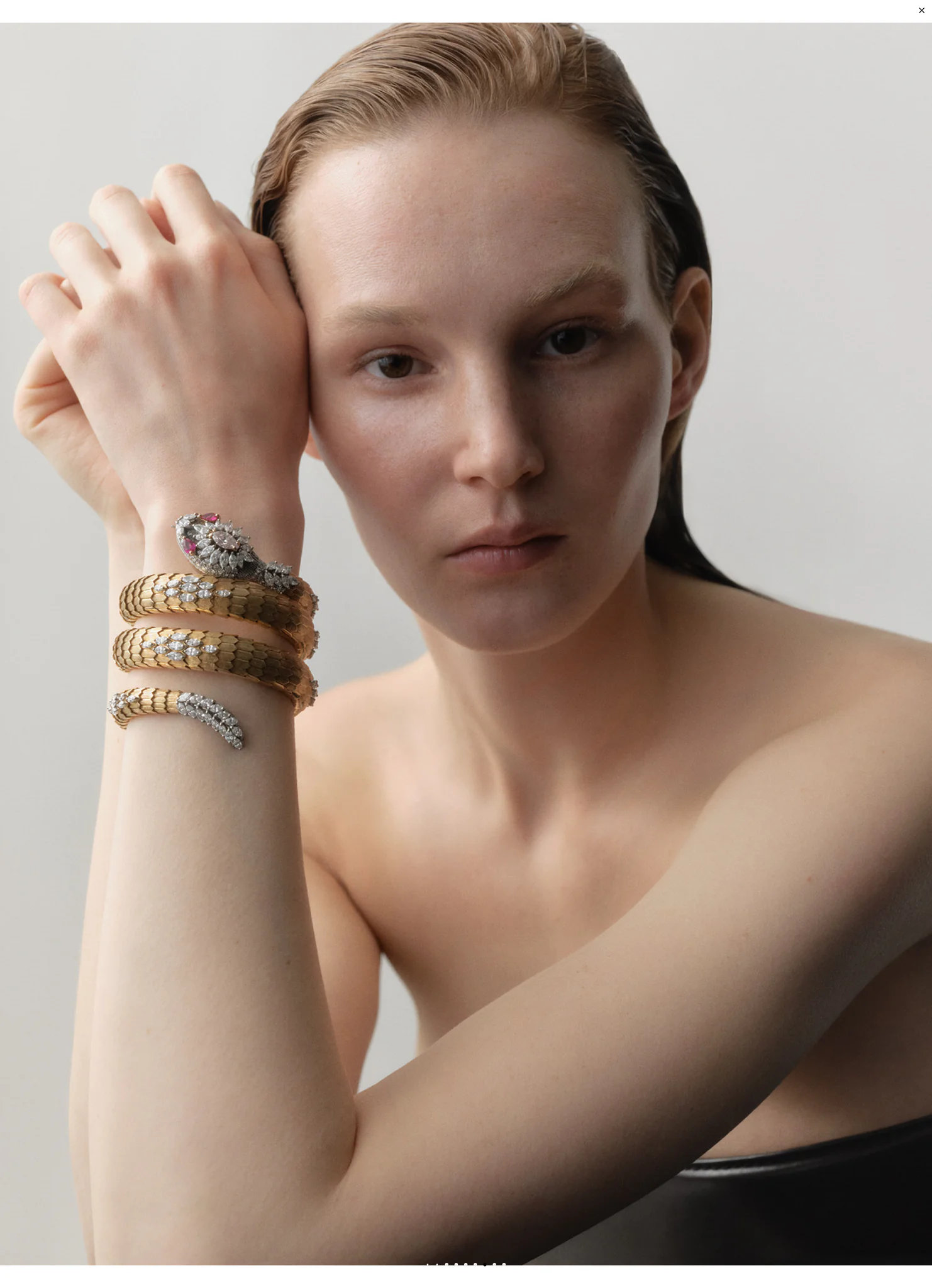
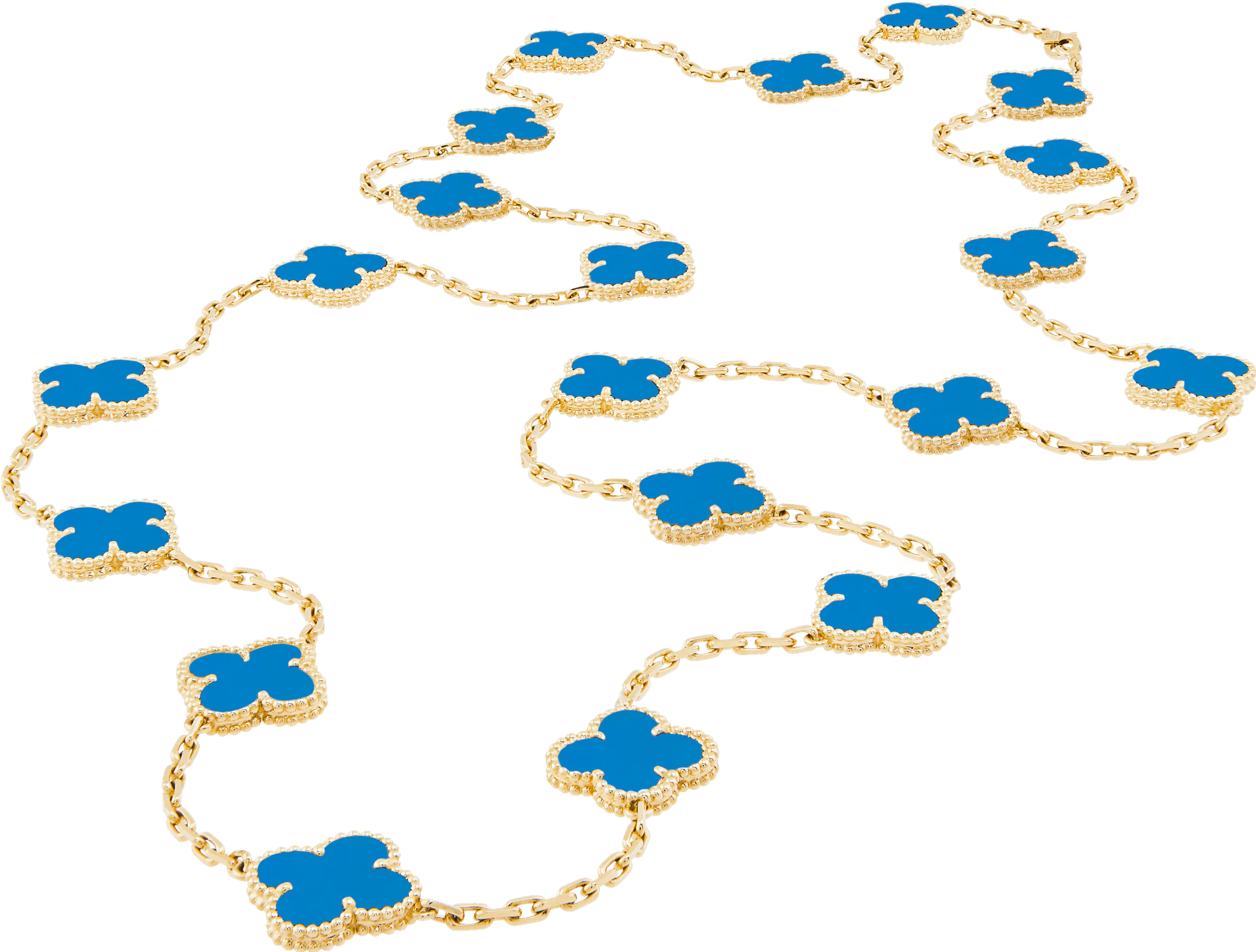
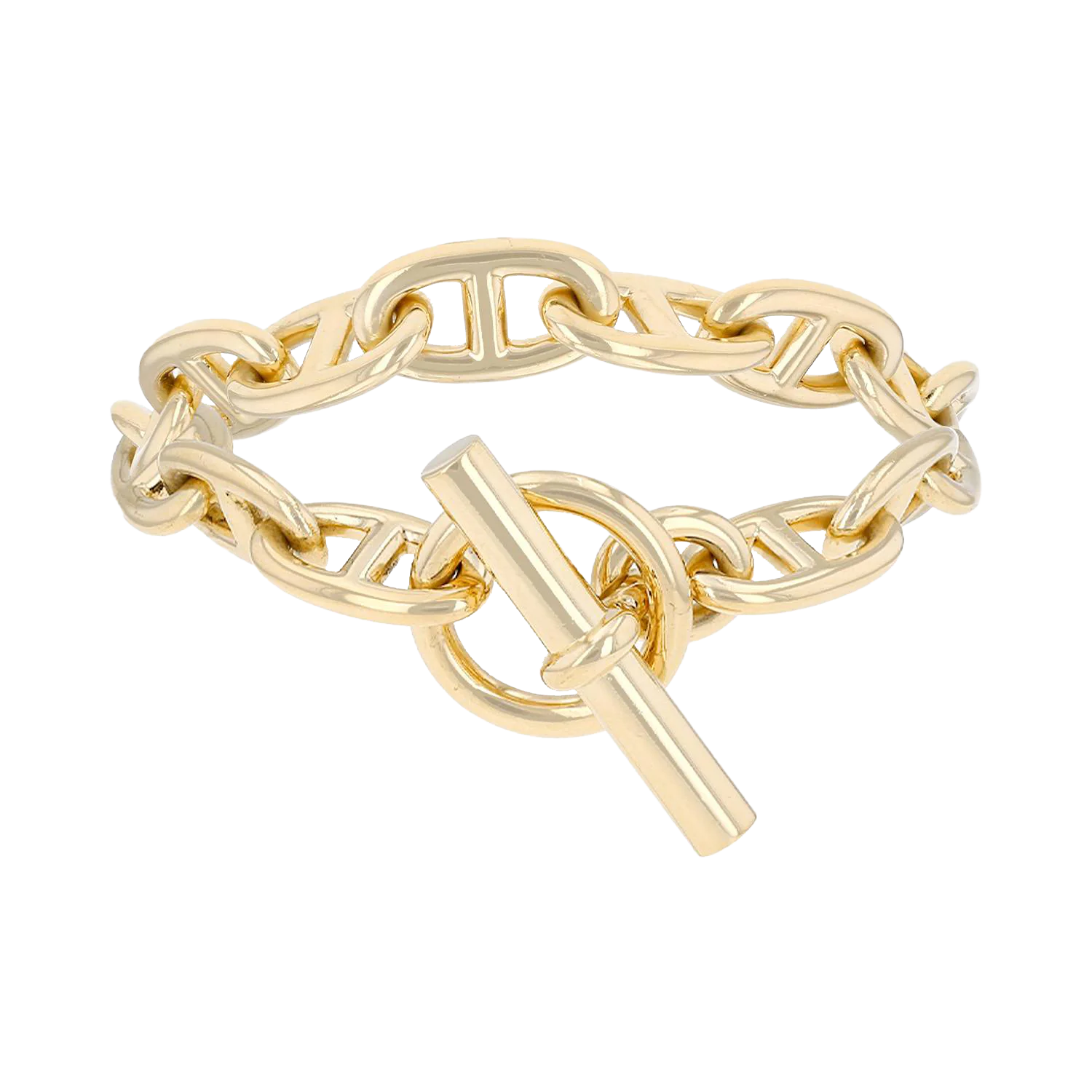
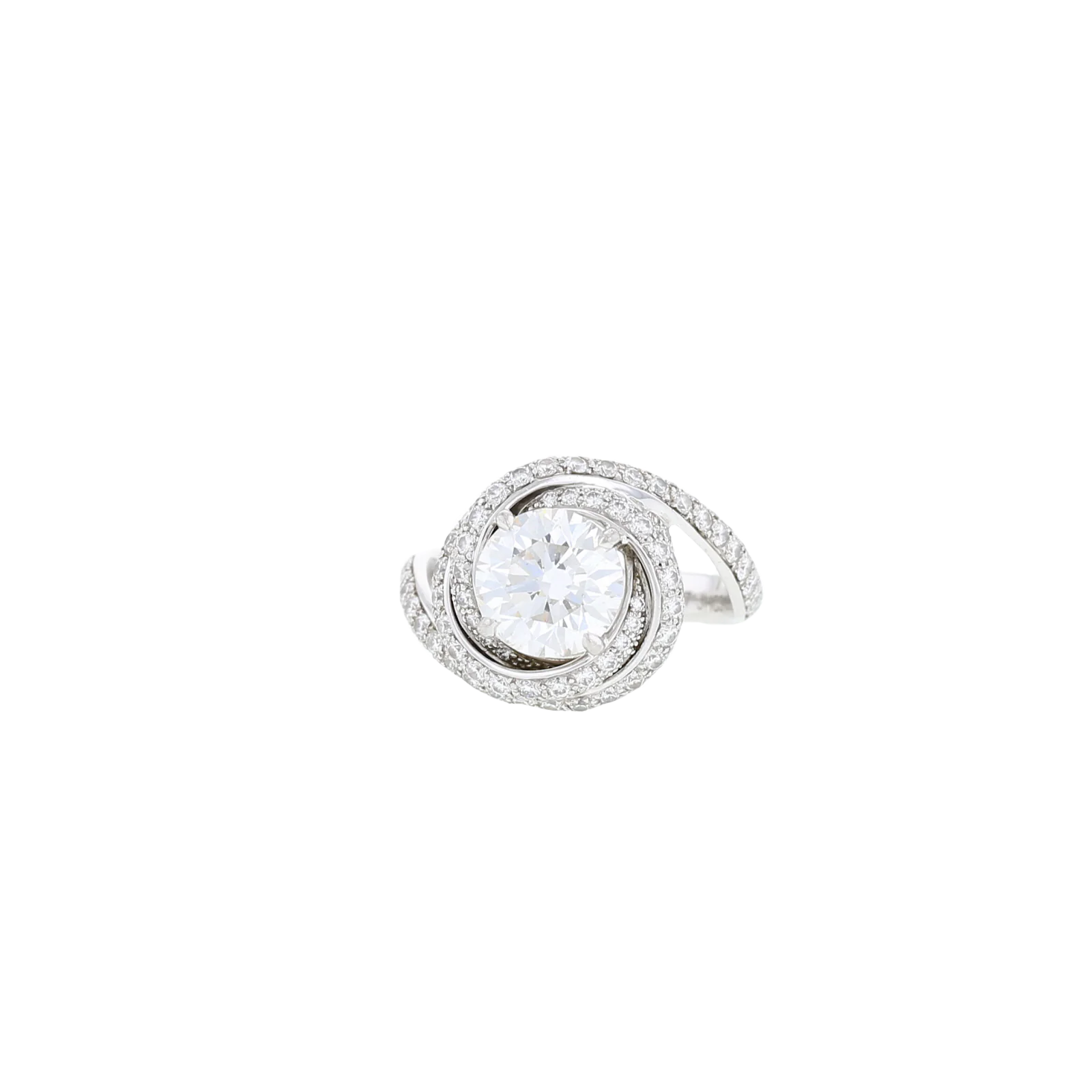
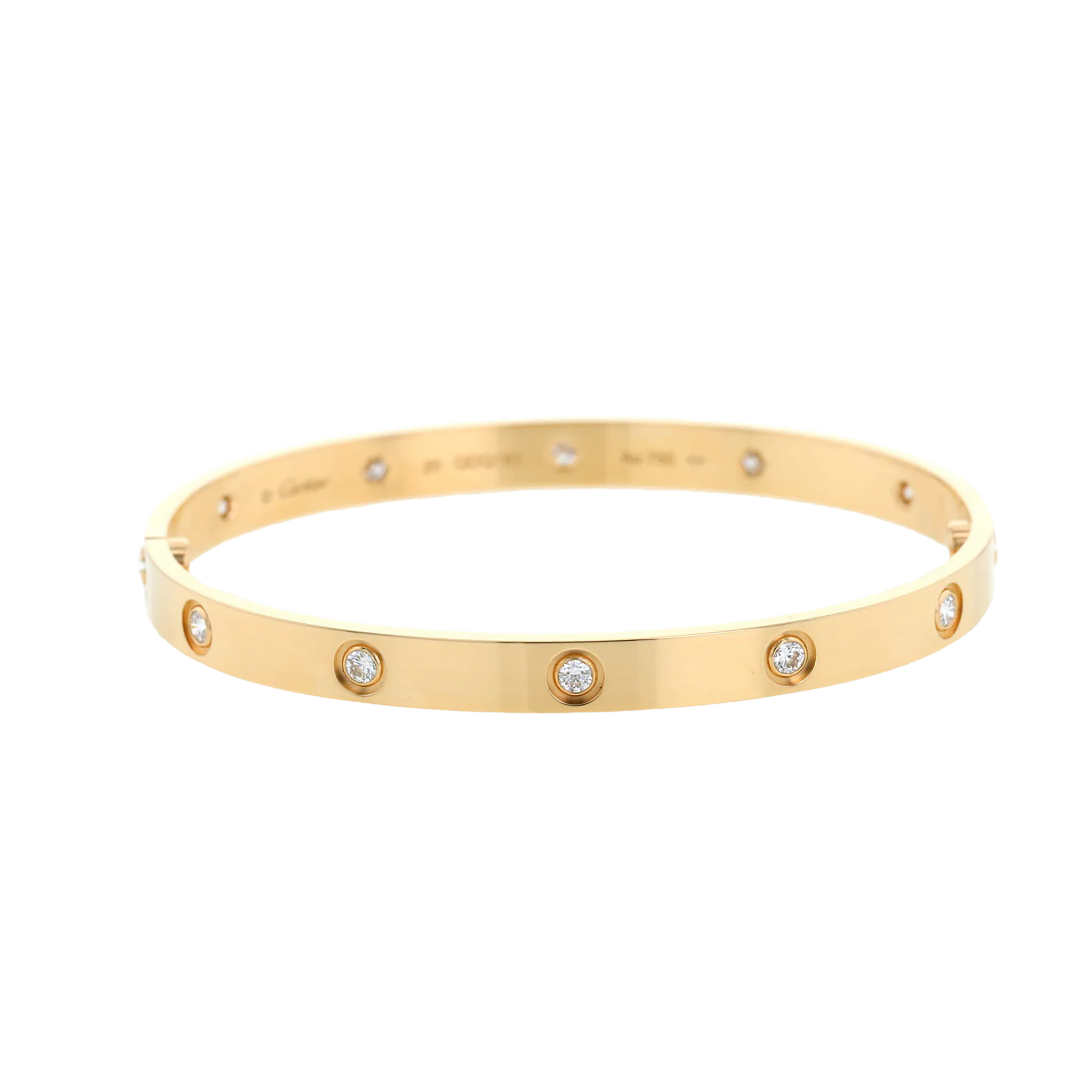
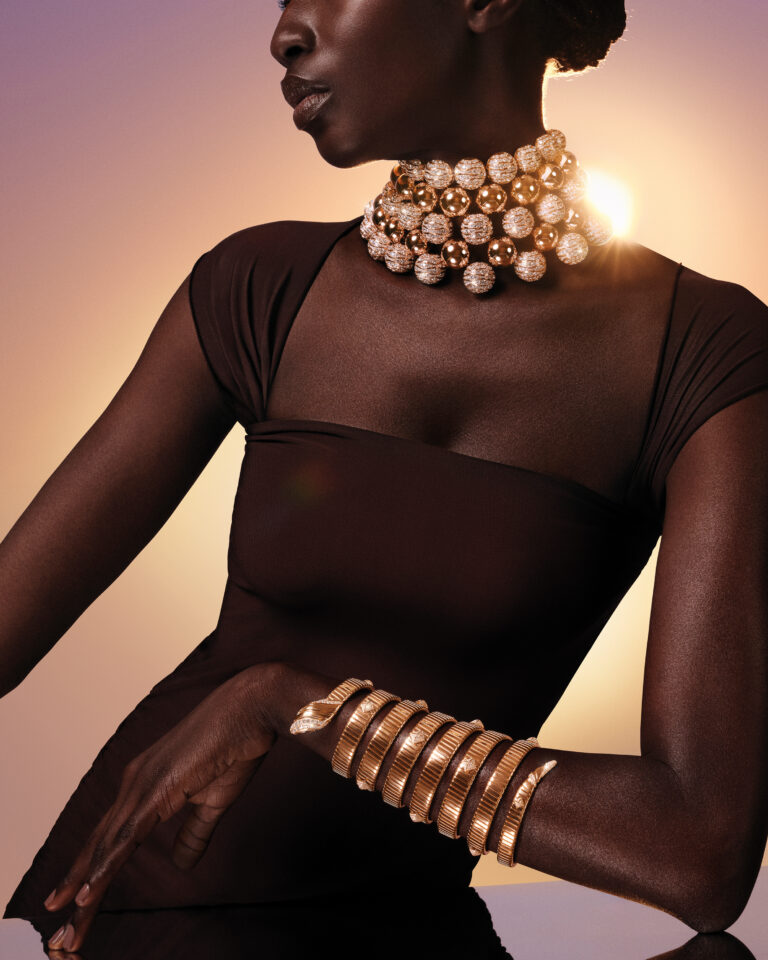
Antique jewelry is instilled with history, linked to provenance (a famous or royal owner), a style or materials which are characteristic of a particular era, or a celebrated maker. Vintage jewelry, from the early 20th century onwards, on the other hand, is judged on different criteria. A prestigious name – the likes of Cartier, Van Cleef & Arpels, Bulgari, Boucheron, Buccellati or Chaumet – is always a safe bet, as these are houses whose creativity and expert craftsmanship are long established. Part of a national legacy, they remain strikingly modern and succeed in capturing the zeitgeist without ever departing from their identity. Cartier, for example, recently reimagined its icons without losing an ounce of prestige. “The Trinity sells well,” notes Charlotte Chehboub, “because it has a genuine history behind it and suits all budgets, from a three golds ring at €900 all the way up to a diamond model at almost €100,000. Cartier’s launch of a square version for the Trinity’s 100th anniversary in 2024 rekindled interest in the design. Similarly, Bulgari’s celebration of the 75th anniversary of the Serpenti sparked an appetite for vintage pieces from the collection. It was all over the media.” At Collector Square, searches for Van Cleef & Arpels’ Alhambra shot up by 54% in 2024. “Items are snapped up the minute they go online,” says Chehboub.
TOP TIPS FOR BUYERS
BUYER BEWARE!
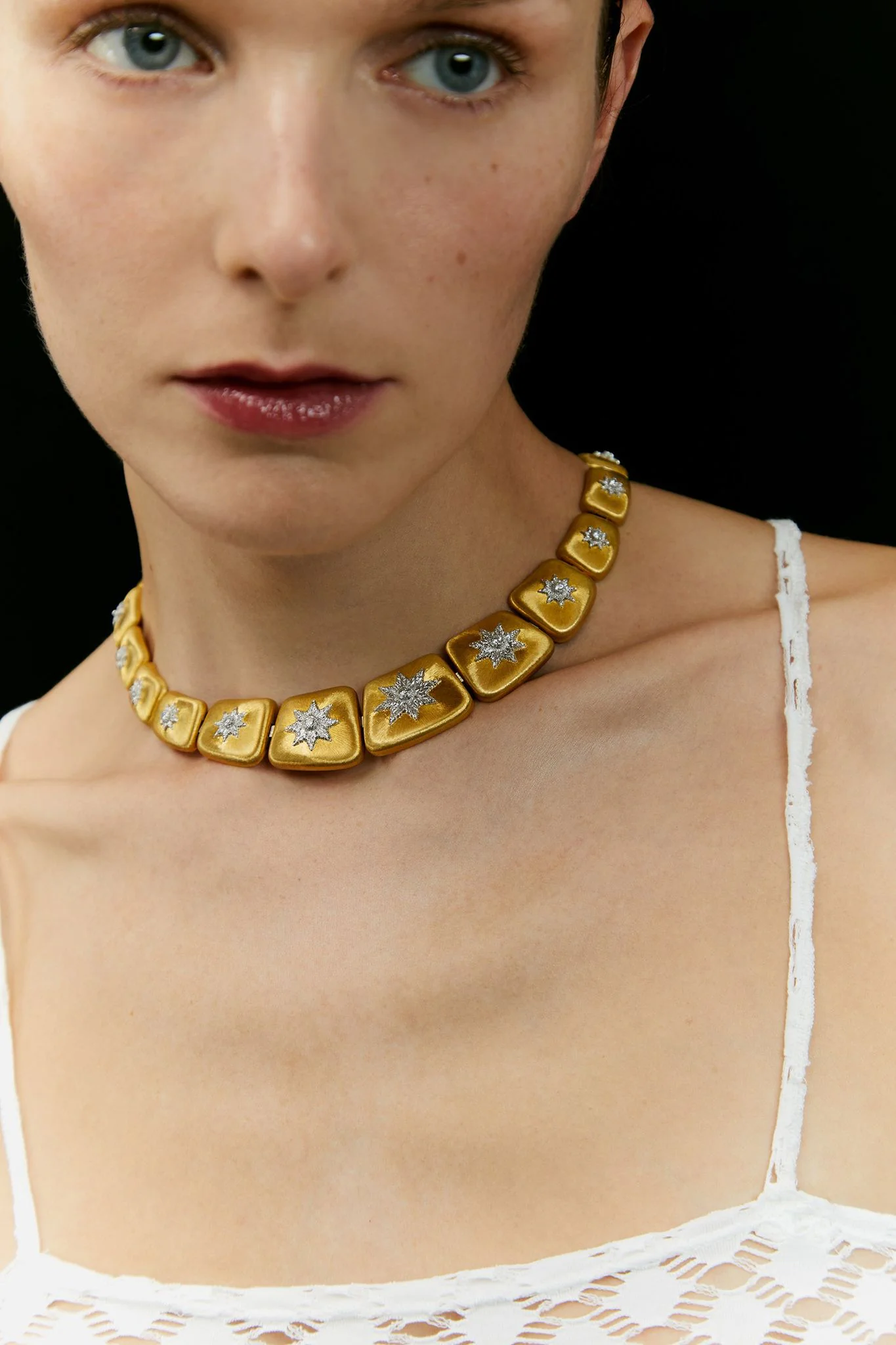
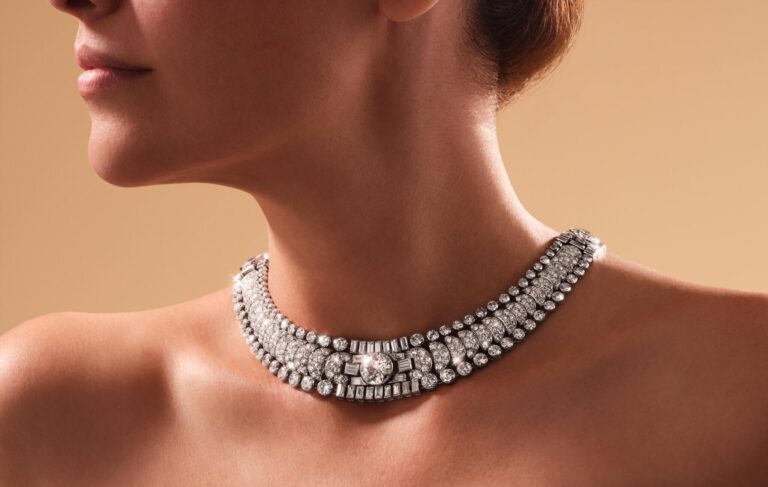
Magali Teisseire, who has a collector’s eye, completes this roster of best-sellers with Chaumet Art Deco jewels in platinum and diamonds, anything by Suzanne Belperron, a name in demand among connoisseurs, and gold jewelry by Buccellati, finely worked to imitate the texture of lace. Designs from the Sixties, Seventies and Eighties are also making a comeback for their statement volumes and colored cabochons, which Chaumet highlighted at an exhibition in 2023*. “Clients buy them to accessorize a summer outfit. They like to experiment and wear them in more fun ways”, she concludes, confirming her belief that jewelry is made to be worn.