

Home

|

Houses

|

Bvlgari

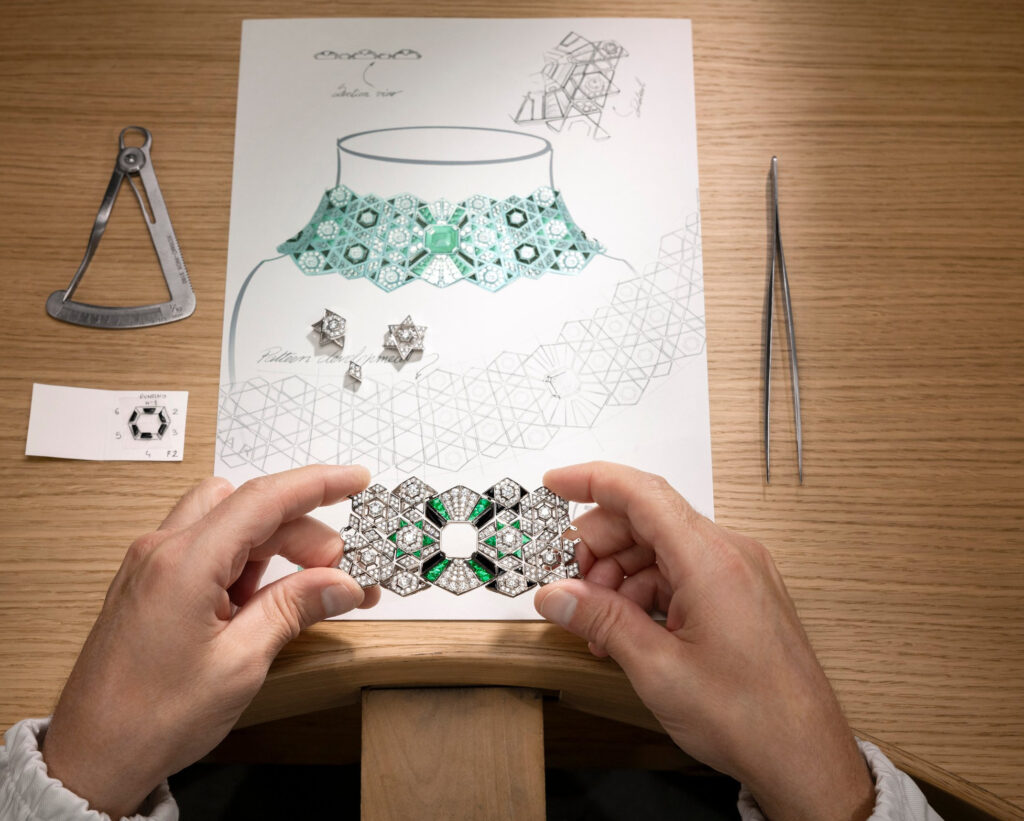
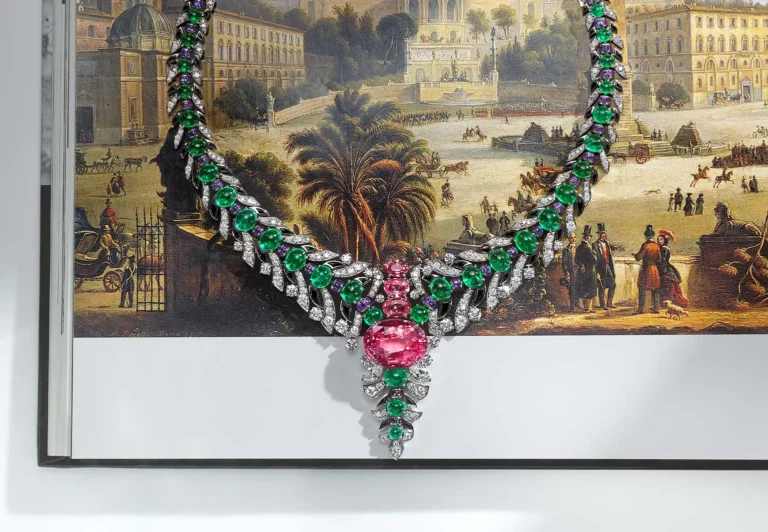
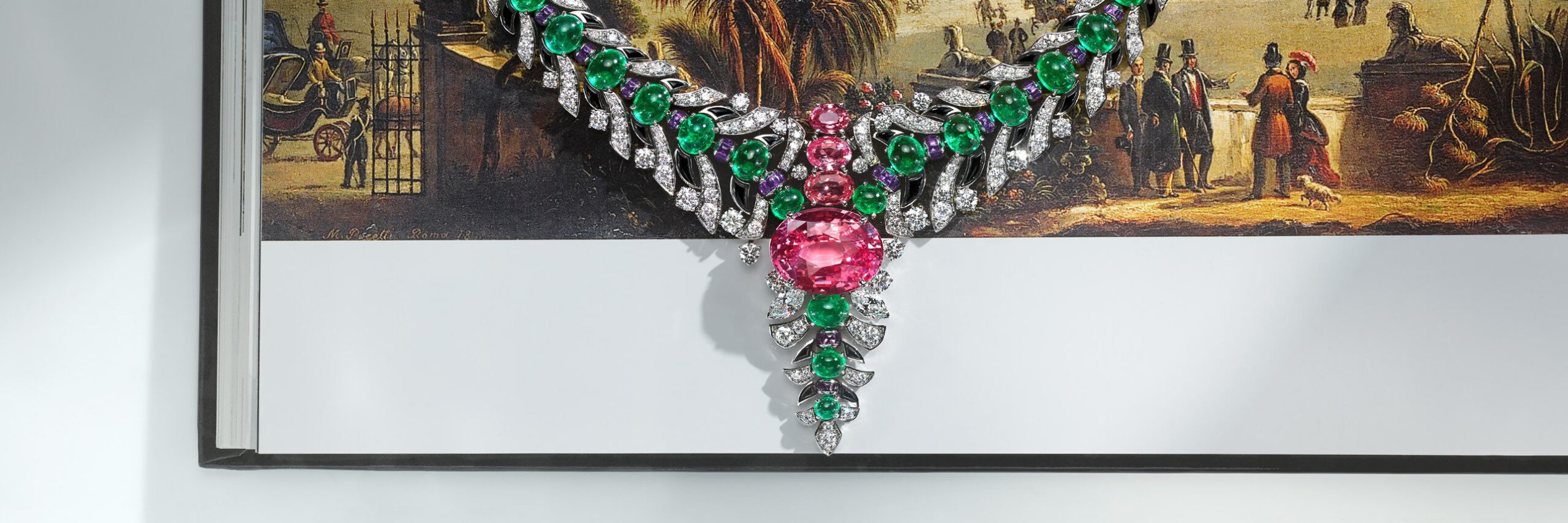
Collier Secret Garden ©Bvlgari

THE HOUSE

Bvlgari

Bvlgari

Secret Garden necklace ©Bvlgari
Collier Secret Garden ©Bvlgari

Home

|

Houses

|

Bvlgari

The most roman of jewelers

« BVLGARI » : seven capital letters, with the U replaced by a capital V in the ancient style. The brand’s name alone reveals its origins. Rome is indeed its eternal muse—the city of coins, columns, and domes, but also the embodiment of Italian charm and glamour, boldness, colors, and volume—all of which the house has never ceased to translate into jewelry creations.

Bvlgari


FOUNDER

Sotirio Bulgari

creation

1884, Rome

headquarters address

Via dei Condotti 11, 00187 Rome, Italy


The man who founded Bvlgari, however, was neither Roman nor even Italian by birth. Sotirio Bulgari was a Greek silversmith born in Epirus, a region renowned for its silversmiths. He moved to Rome in 1881 to sell the silver ornaments he had crafted himself, before opening his first boutique in 1884. In 1905, he moved to the address that would become the beating heart of the house: 10 Via dei Condotti, which remains Bvlgari’s flagship store to this day. Upon his death in 1932, his sons Giorgio and Costantino took over and chose to steer the house toward watchmaking and jewelry. The “Roma 1884” signature, appended to the name, would later celebrate this dual origin: a house born in Rome but shaped by a perspective from elsewhere.
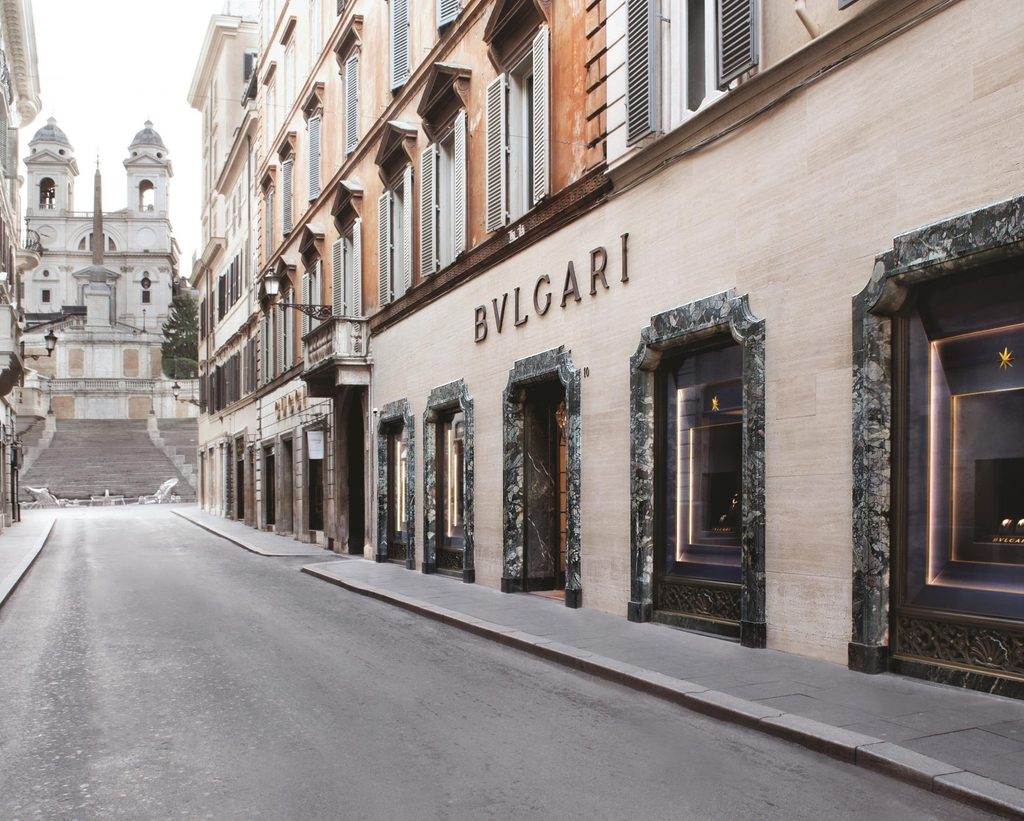
Façade Condotti ©Bvlgari
Condotti Facade ©Bvlgari

La Dolce Vita in color

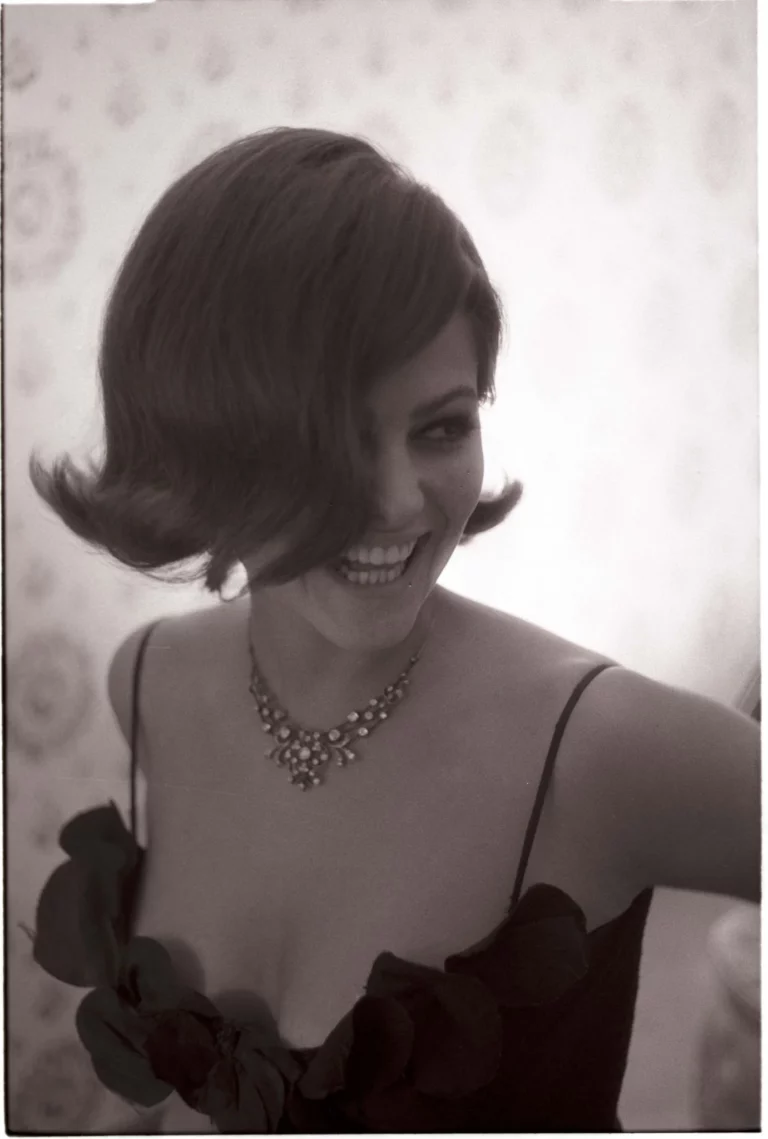
The 1950s and 1960s marked a true turning point. Until then, European jewelry had followed the broad guidelines set by the French school and style. The diamond reigned supreme; many pieces were crafted in platinum, and styles were understated and refined. Bvlgari broke away from this tradition to develop its unique Mediterranean identity. The house drew inspiration from Greco-Roman classicism and dared to experiment with combinations of colored gemstones that had never been explored before. It also embraced the cabochon cut, whose smooth, domed curve evokes the city’s cupolas, and created highly architectural bib necklaces in which color took precedence over the stone’s carat weight and intrinsic value. This was the era of La Dolce Vita: the house became inextricably linked to cinema and Roman high society; the boutique on Via dei Condotti was the gathering place for divas, from Ingrid Bergman to Gina Lollobrigida and Elizabeth Taylor, who, while in Rome filming Cleopatra, developed a passion for the house that would last a lifetime. The house dared to create sun-inspired jewelry that stood in stark contrast to the more subdued elegance of Place Vendôme. Bvlgari embraced color and opulent jewelry as a way of life.
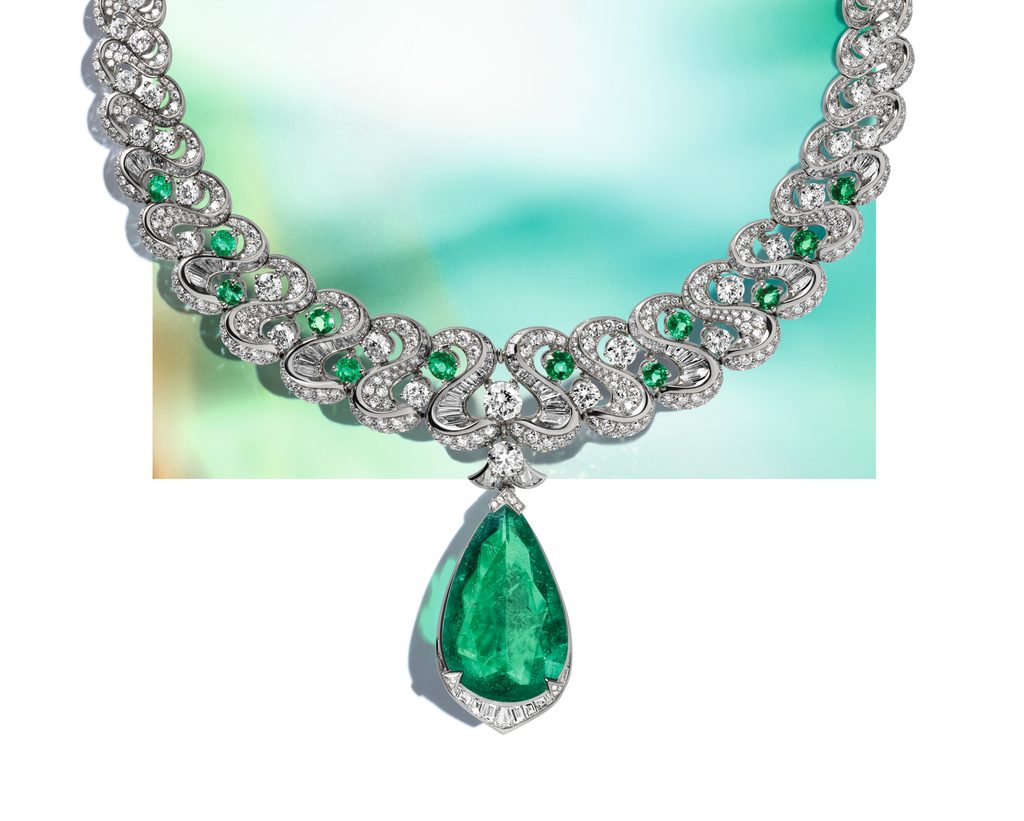
©Bvlgari
Polychroma ©Bvlgari

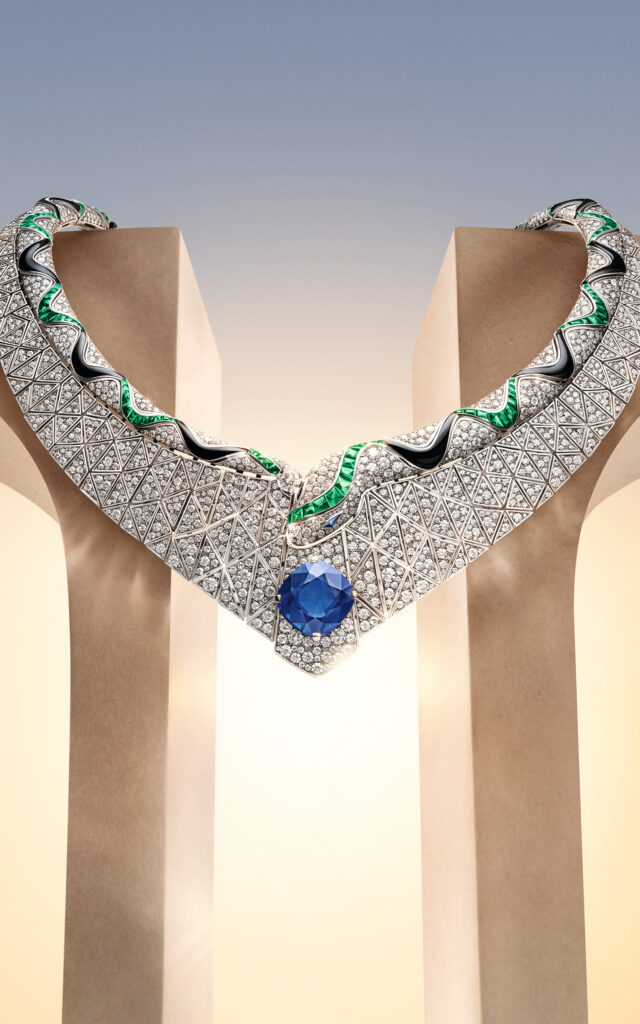
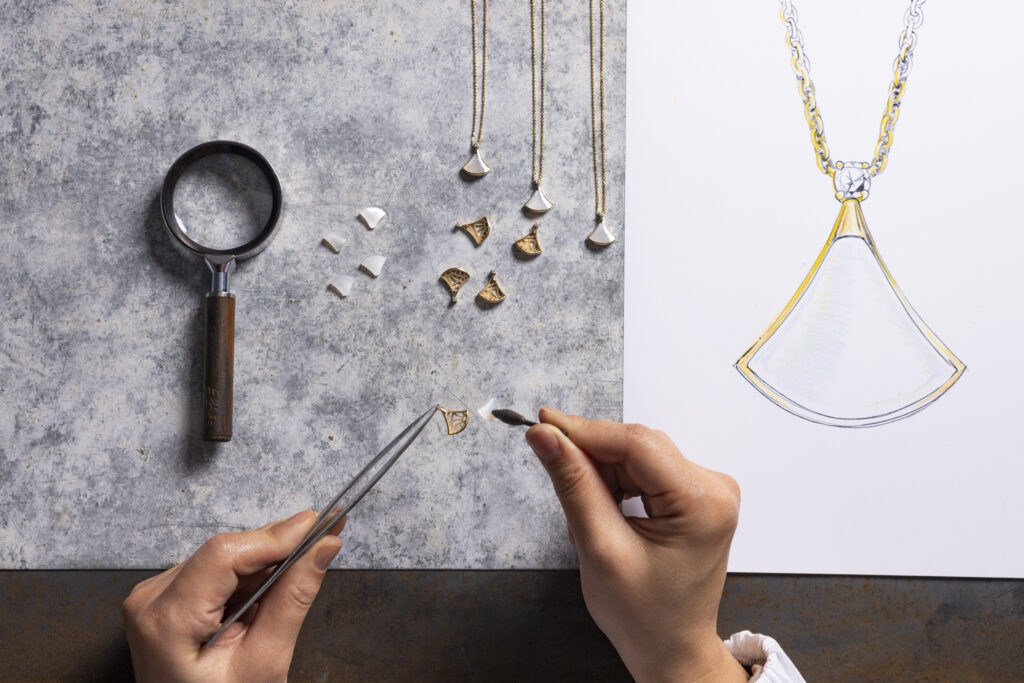
The brand’s identity has been forged over the decades. Rome, first and foremost, serves as an inexhaustible muse, with its mosaics, columns, and architecture inspiring the designs. Bvlgari even incorporates ancient coins into its jewelry—the “Monete” collection—thus carrying on a jewelry-making tradition from ancient Rome. Later, the fan-shaped motif of Divas’ Dream was directly inspired by the mosaics of the Baths of Caracalla. Next came color and volume, followed by bold use of materials: gold and steel in the 1970s, gold and porcelain in the Chandra line of the 1990s, and gold and ceramic in the 2010s. One motif reigns supreme throughout this collection: the serpent, a symbol of metamorphosis that has accompanied the house since the mid-20th century. Bvlgari thus establishes a style all its own—more Latin than Parisian—playing with the warmth of yellow gold and the relief of shapes and volumes.

Jeweler and watchmaker

Starting in the 1970s, Bvlgari made its mark on the international stage with a unique style rooted in its dual expertise as both a jeweler and a watchmaker. In 1977, the BVLGARI BVLGARI watch had its name engraved in full on the bezel, much like the legend on a coin—another nod to ancient Rome. More recently, the Octo Finissimo collection has set one record for thinness after another. Jewelry remains a cornerstone of the house, which has consolidated its jewelry production in Valenza, Piedmont, where it opened one of Europe’s largest jewelry manufacturing facilities in 2017. Its Roman heritage extends to its philanthropic efforts, including funding the restoration of the steps of the Trinità dei Monti and the city’s ancient ruins. A beautiful way to give back to Rome what it owes her.
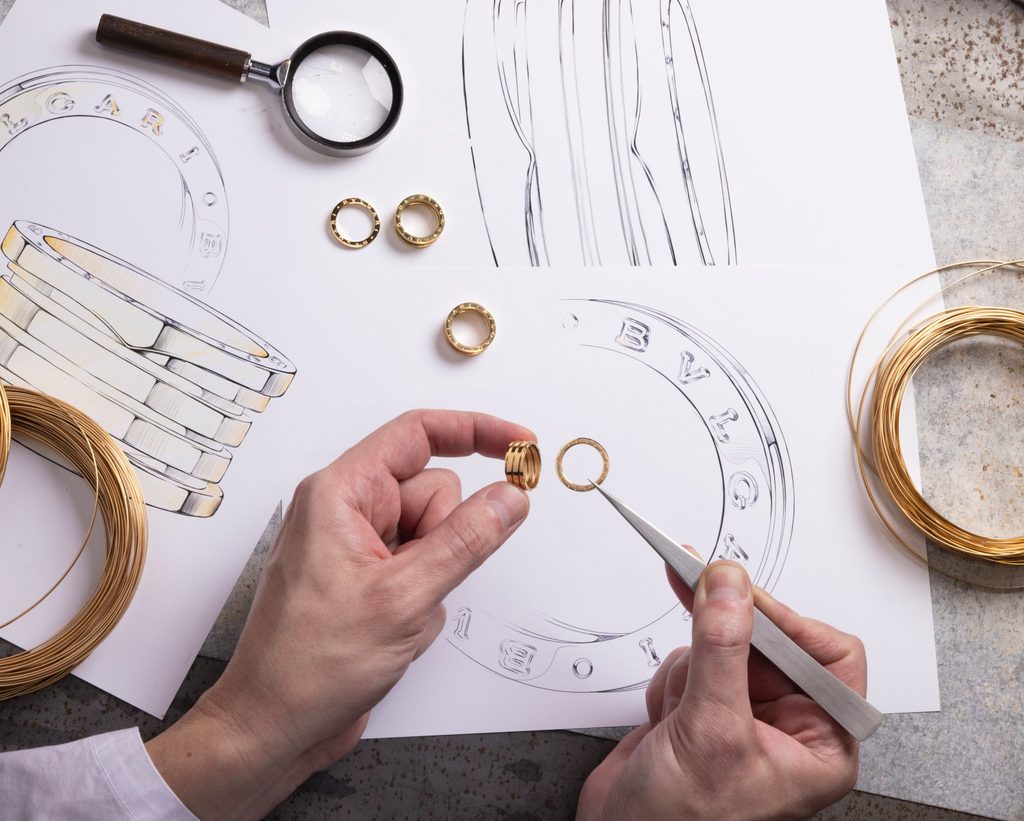
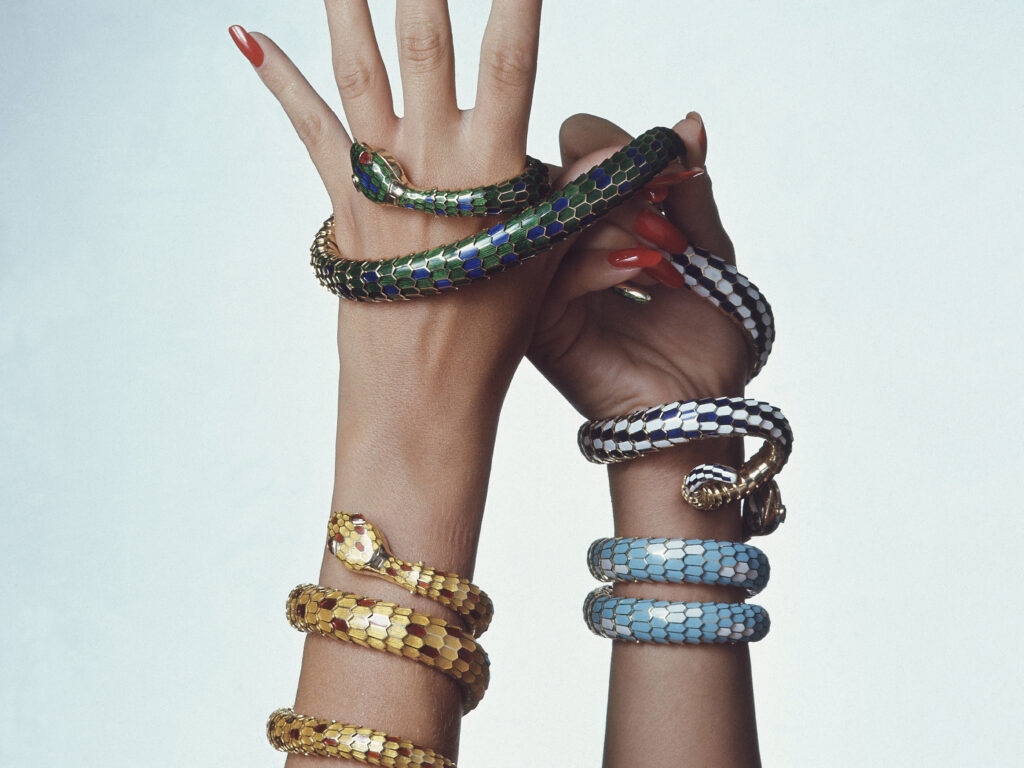
©Bvlgari
B.zero.1 ©Bvlgari

iconic collections

Beyond Time Serpenti ©Bvlgari

Serpenti: metamorphosis, the timeless symbol

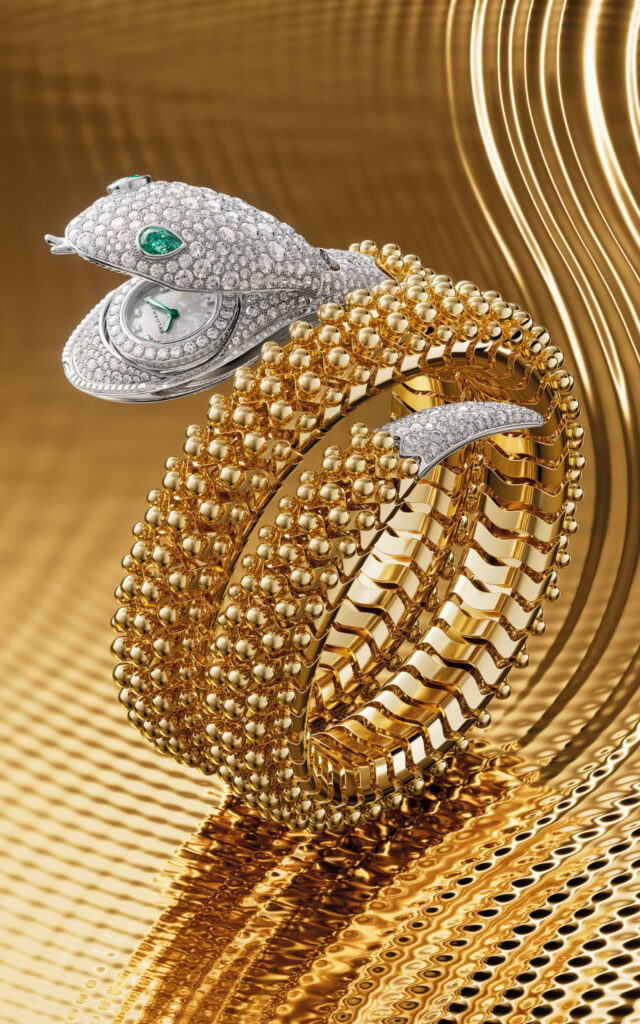
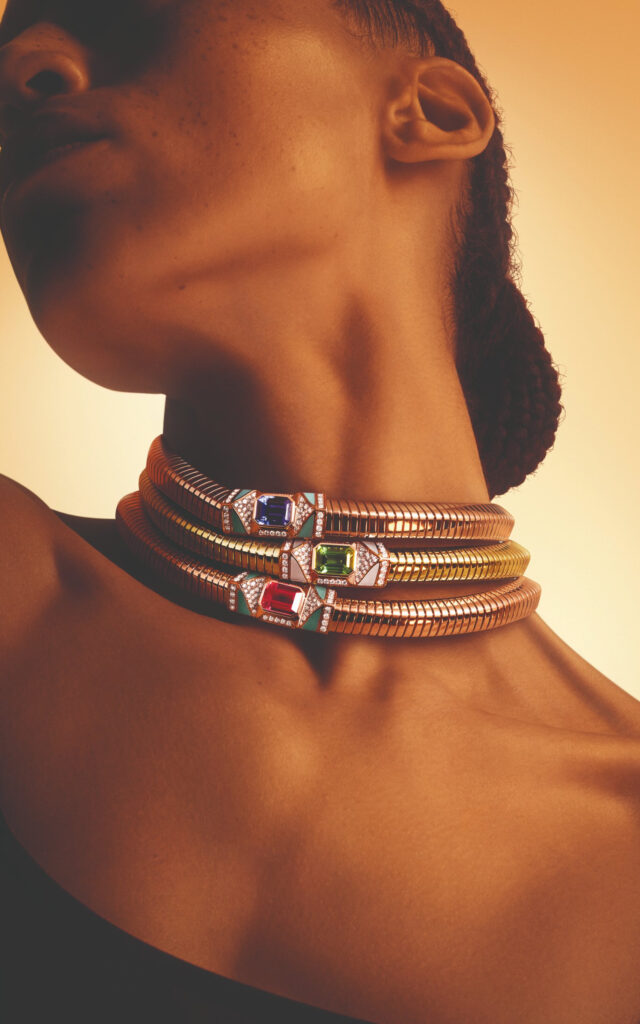
It all began in 1948 with a wristwatch whose band wrapped around the wrist thanks to the Tubogas link—a flexible, seamless gold band inspired by the industrial tubes of the time. The choice of the serpent was no accident. Even in antiquity, it symbolized eternity and rebirth—two concepts central to the Roman imagination. Over the decades, the serpent has continued to evolve. In the 1960s and 1970s, its scales were adorned with colorful enamels; later, it was encrusted with diamonds or smoothed into polished gold, its eyes accented with a colored gemstone. But above all, it gradually left the dial to become a piece of jewelry in its own right, its body sometimes reduced to a single coil, sometimes unfurling into several spirals. Bvlgari reimagines its symbol with each generation without ever betraying its silhouette. From the most precious timepiece to the most refined piece of jewelry, it retains its sensual allure every time. The true power of this icon lies in its ability to remain true to itself while constantly shedding its skin, ensuring its place in eternity.

read more

B.zero.1 ©Bvlgari

B.zero1: the modern roman icon

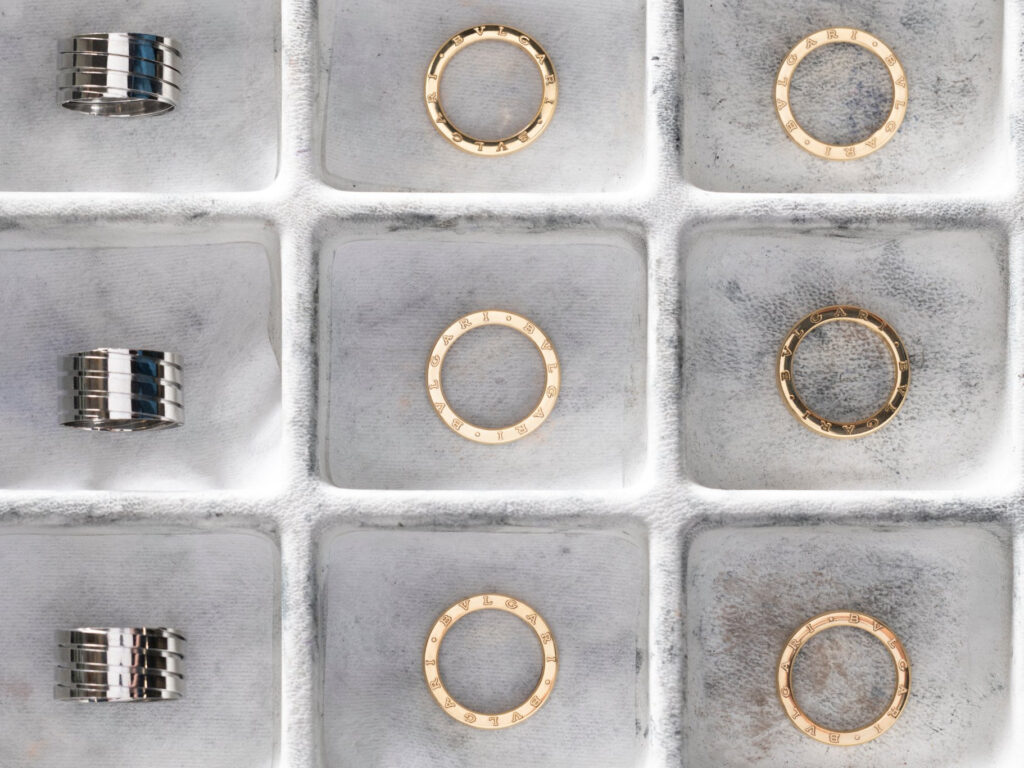
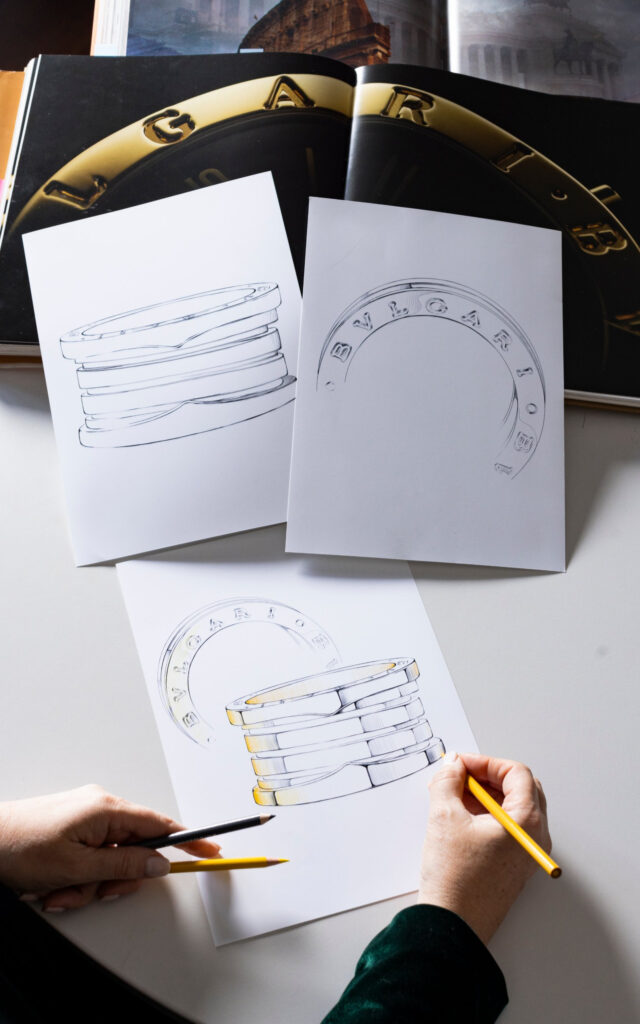
Launched in 1999, B.zero1 is the Roman icon of Bvlgari’s contemporary era. The original ring draws its spiral architecture from the Colosseum, while the double BVLGARI BVLGARI logo, engraved on the bands like a lapidary inscription, links it to the house’s numismatic heritage. As much an object as a piece of jewelry, B.zero1 quickly became a playground for experimentation for Bvlgari, with its spiral design revealed through the contrast of different materials, embodying the concept of perpetual motion within a sculptural form. It comes in black or white ceramic, marble, set with diamonds, in gold and steel, or in a variety of gold alloys. It even dares to offer a “Rock” version, adorned with a stud motif that gives it a distinctly urban look. Worn alone or layered, these pieces are designed to be equally feminine and masculine, embodying the essence of Bvlgari through a play on volumes and materials—and, of course, always with a nod to ancient Rome.

read more

Eternal ©Bvlgari

Bvlgari Eternal: the living archive

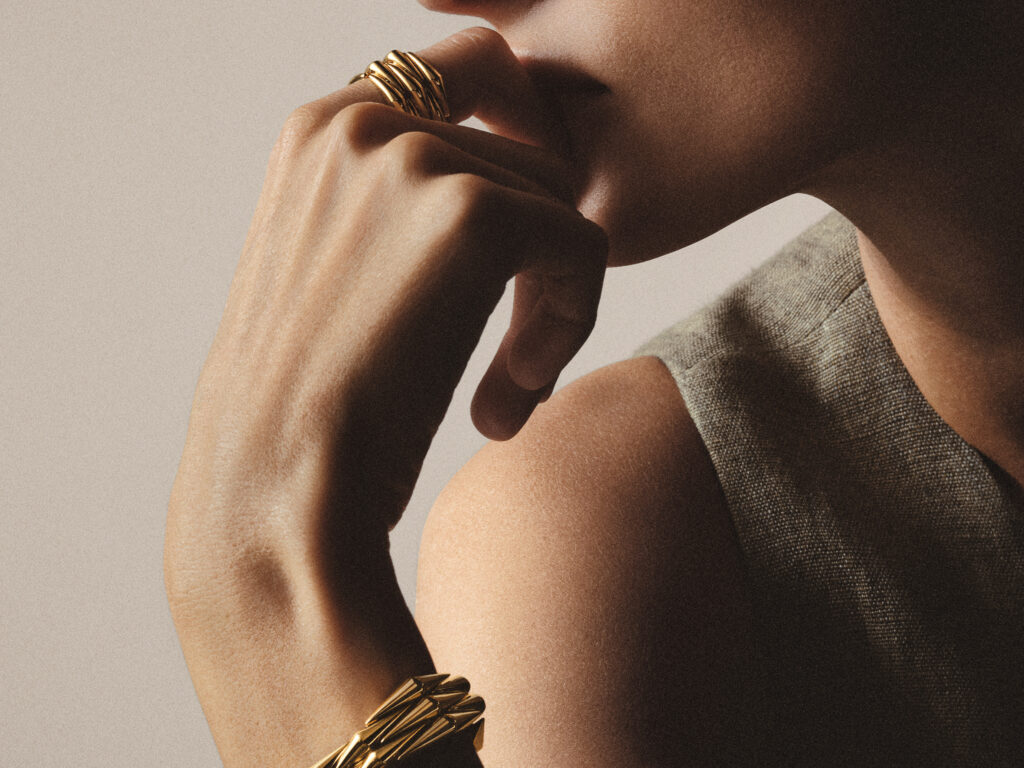
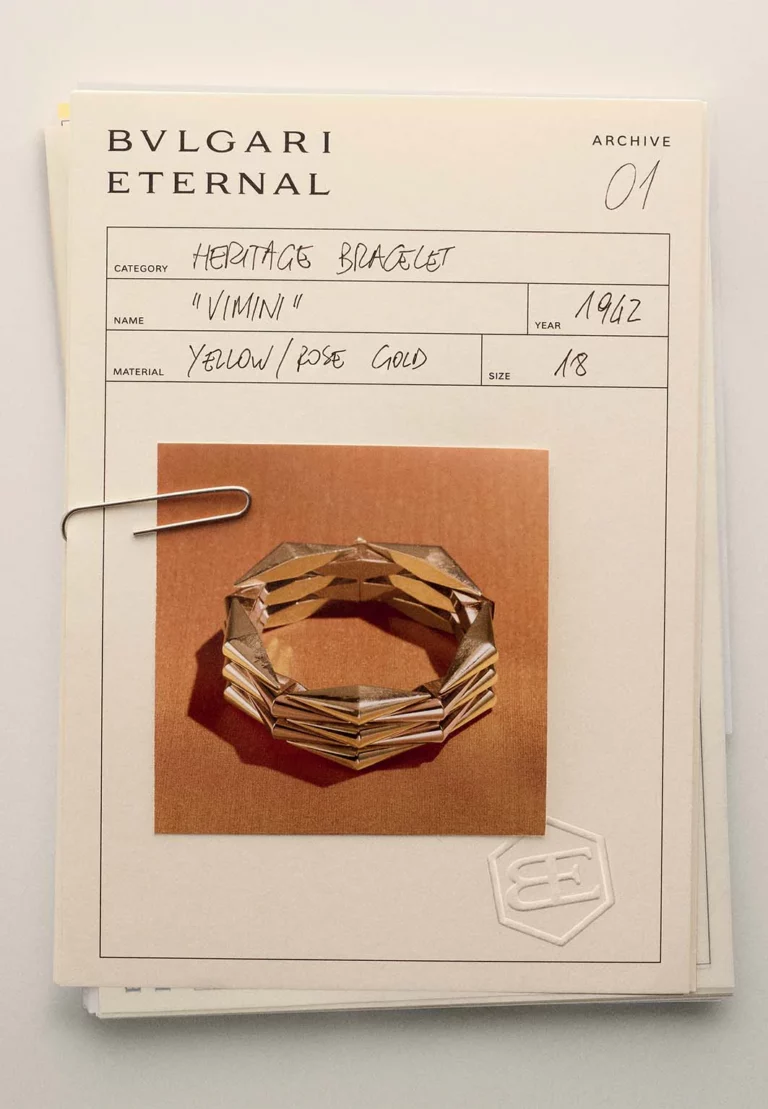
Launched in 2026, Bvlgari Eternal is the brand’s latest creation. It is based on a simple yet powerful idea: using the archives as a solid starting point to give today’s jewelry a design with its own distinct personality. We do not create in opposition to the brand’s past, but rather build upon it. The collection unfolds in chapters, each reviving a historic creation drawn from the brand’s heritage collection. The first, named Vimini, reinterprets a 1942 bracelet whose undulating construction evokes the weaving of wicker—hence its name, which means “wicker” in Italian. Far from being ceremonial pieces, these are jewels designed for everyday life to come alive and flourish against the skin, to be worn and layered. The gold is treated and polished to achieve a stunning, almost textile-like feel. The collection also features high jewelry pieces, some of which play on a highly unexpected contrast thanks to a black DLC coating—a treatment more commonly seen in watchmaking. Each piece bears an archival hallmark, “BE,” which links it to the original piece and seals this dialogue between the past and the present.

read more

https://www.youtube.com/watch?v=tQ0_T0vFIT4

In Pictures

B.zero.1 ©Bvlgari

Serpenti ©Bvlgari

Serpenti Perceptra ©Bvlgari

Serpenti Perceptra ©Bvlgari

©Bvlgari

Eclettica ©Bvlgari

©Bvlgari

©Bvlgari

Tubogas ©Bvlgari

©Bvlgari

B.zero.1 ©Bvlgari

B.zero.1 ©Bvlgari

Serpenti ©Bvlgari

Serpenti Perceptra ©Bvlgari

Serpenti Perceptra ©Bvlgari

©Bvlgari

Eclettica ©Bvlgari

©Bvlgari

©Bvlgari

Tubogas ©Bvlgari

©Bvlgari

B.zero.1 ©Bvlgari

Discover our entire collection of home goods