

Home

|

Houses

|

Van Cleef & Arpels

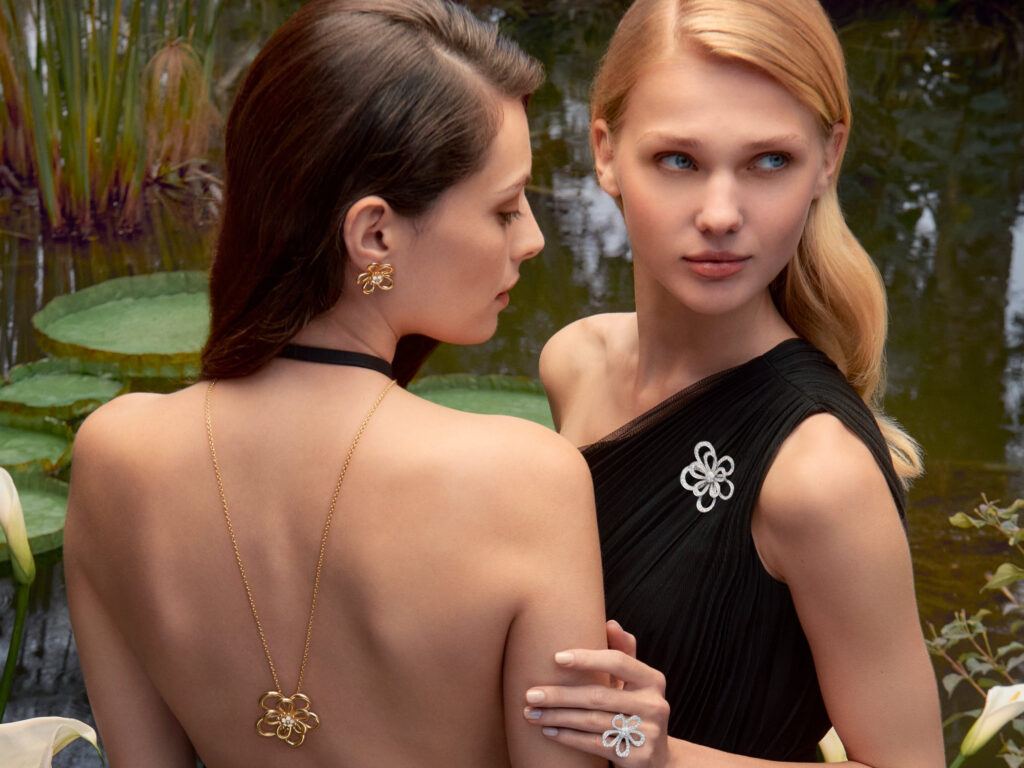
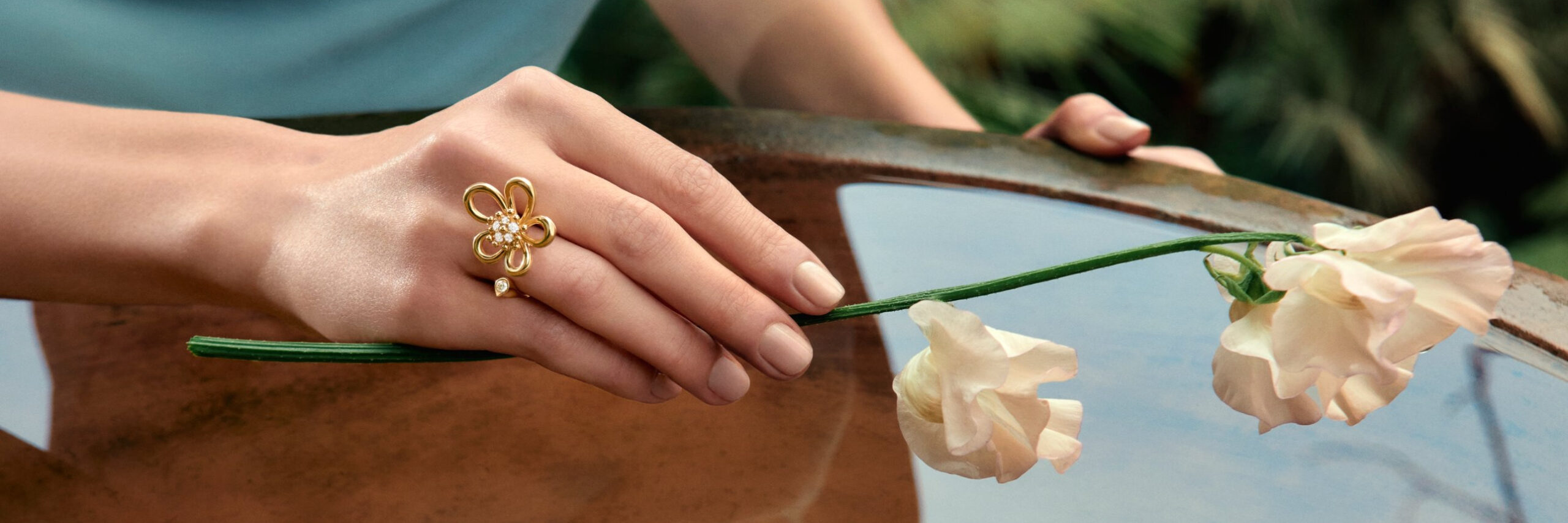
Flowerlace ©Van Cleef & Arpels

THE HOUSE

Van Cleef & Arpels

Van Cleef & Arpels

Flowerlace ©Van Cleef & Arpels

Home

|

Houses

|

Van Cleef & Arpels

Poetic jewelry

Van Cleef & Arpels jewelry tells a story of enchantment. Since 1906, the house on Place Vendôme has been transforming themes of nature, ballerinas, fairies, astronomy, and love into jewelry that sparkles with life.

Van Cleef & Arpels


FOUNDER

Estelle Arpels & Alfred Van Cleef

creation

1906, Paris

headquarters address

22-24 Place Vendôme, 75001 Paris


It all began with a love story. In 1895, Estelle Arpels, the daughter of a gemstone merchant, married Alfred Van Cleef, the son of a gem cutter. Two families from the worlds of jewelry and gemstones were thus united. From this union, a house was founded in 1906 at 22 Place Vendôme in Paris, an address that Van Cleef & Arpels has never left since. The house made a name for itself during the interwar period with designs inspired by the wave of Orientalism sweeping across Europe, as well as with a distinctive Art Deco style—notably, in 1925, a bracelet featuring intertwined roses that earned it the Grand Prix at the International Exhibition of Modern Decorative and Industrial Arts in Paris.
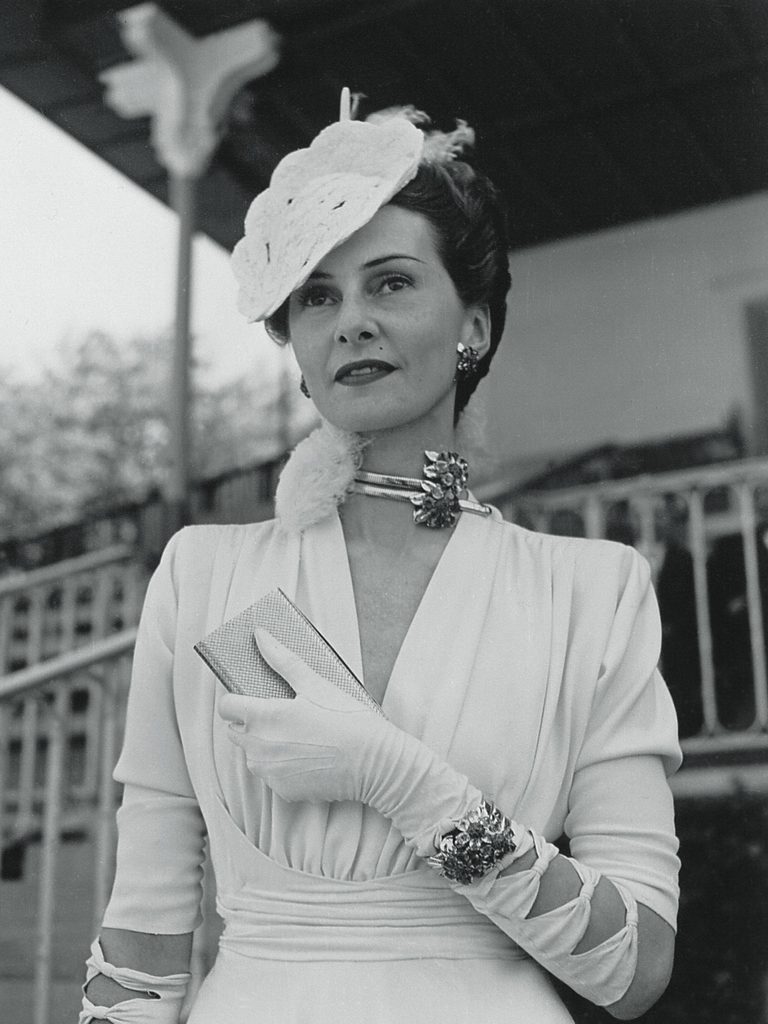
Hélène Arpels ©Van Cleef & Arpels
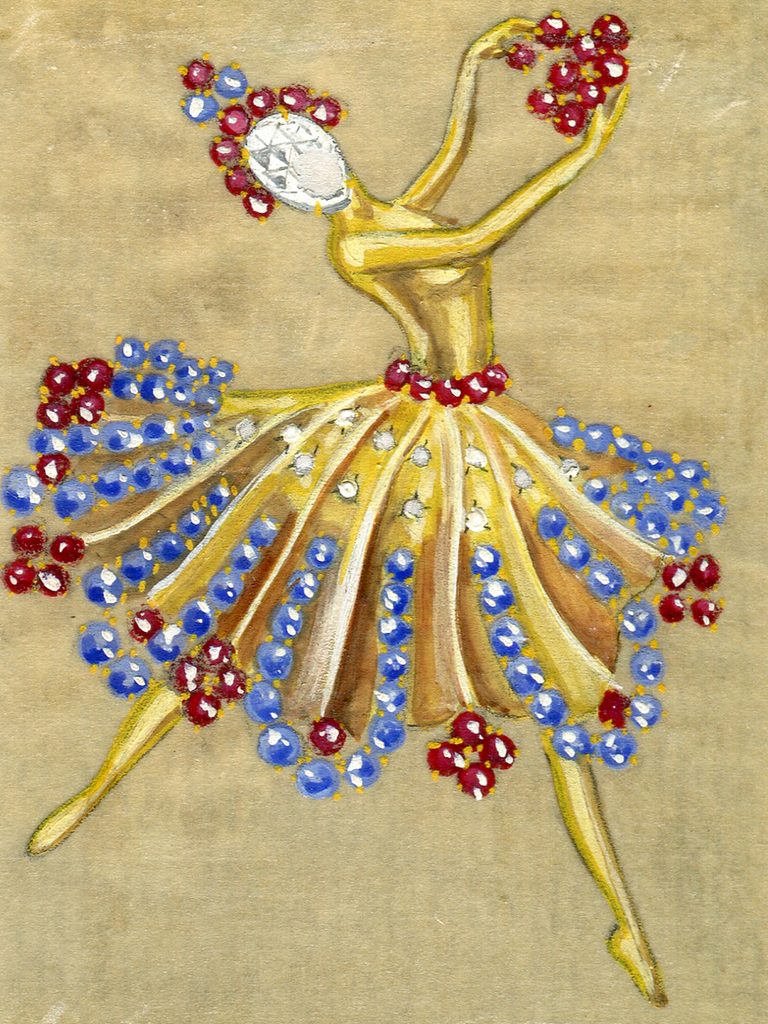
Illustration of a “Danseuse” clip©Van Cleef & Arpels

Iconic creations

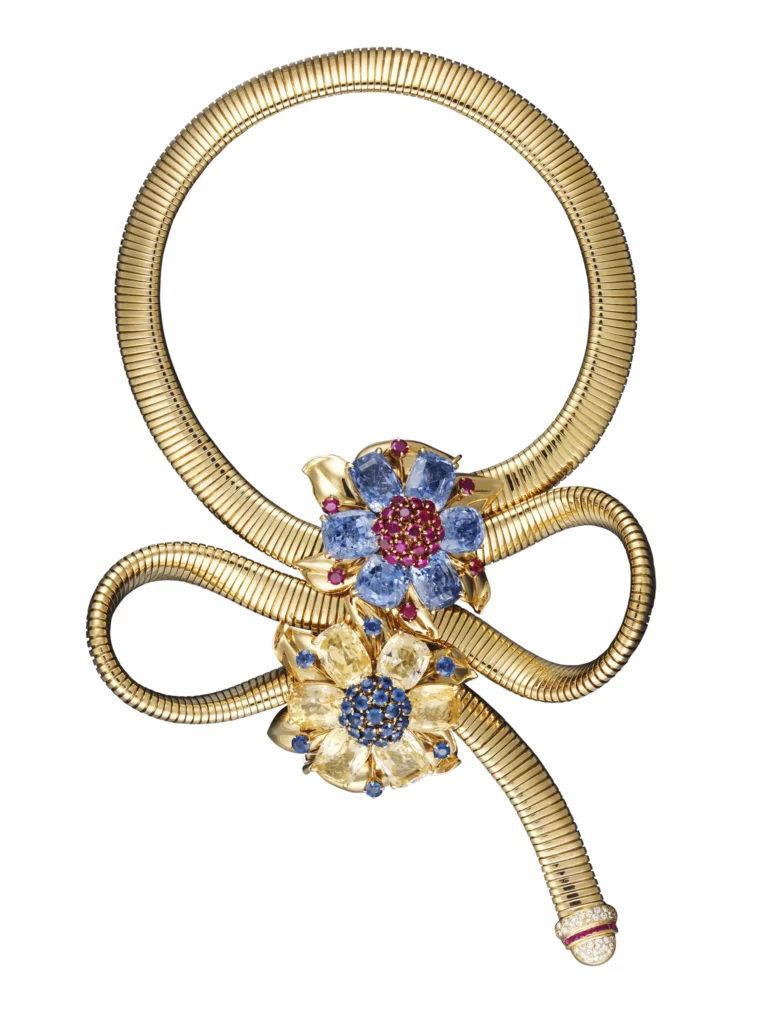
The house’s design language took shape under the artistic direction of Renée Puissant, the founders’ daughter, who took the reins of the design department in 1926 alongside designer René Sim-Lacaze. It was a prolific period, and it was during this time that the signature pieces that would establish Van Cleef & Arpels’ reputation were born: the Minaudière, a precious accessory offering elegant women multiple compartments to carry all their essentials; the Serti Mystérieux, patented in 1933, which conceals the metal setting beneath the gemstones; the Ludo bracelet (1934) with its supple links and a clasp reminiscent of a belt buckle; and the Cadenas wristwatch (1935), featuring a double chain, whose case extends into a clasp that discreetly fastens around the wrist. The house also excelled in the art of transformable jewelry. In 1938, it created the Passe-Partout, a serpent chain adorned with detachable floral clips that can be worn as a necklace, choker, long necklace, bracelet, and even a belt. A few years later, this concept gave rise to the Zip necklace with a zipper clasp, the first of which was created in 1950 based on an idea suggested by the Duchess of Windsor.
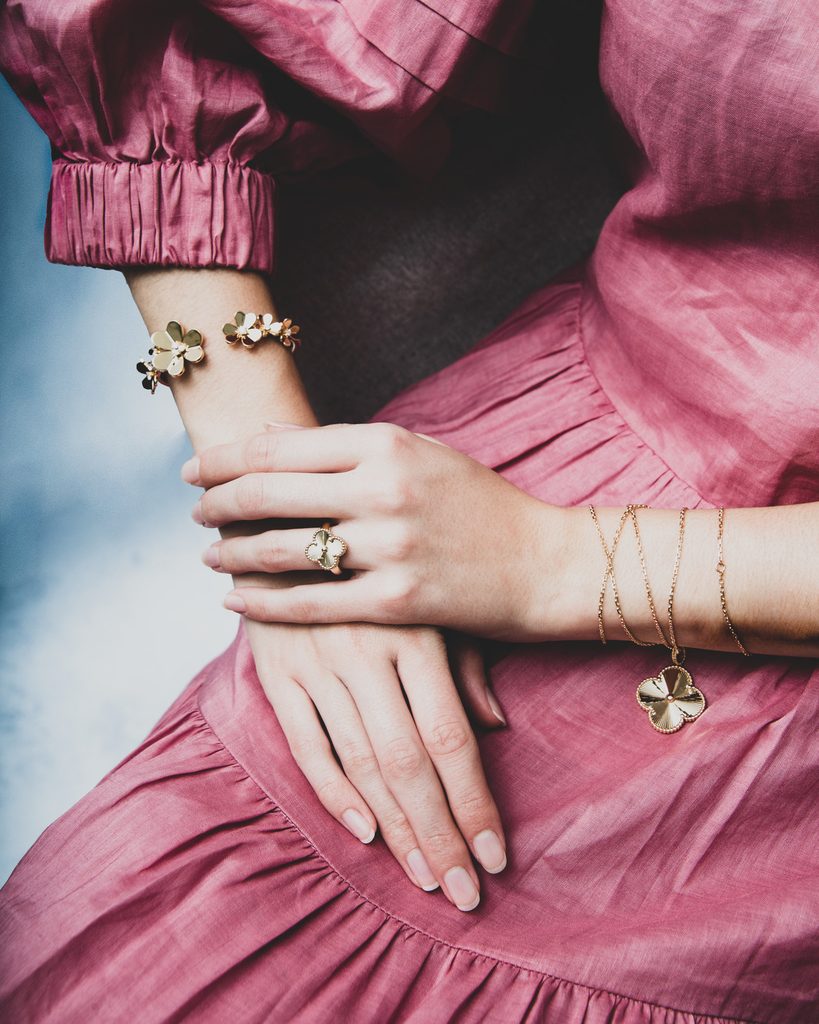
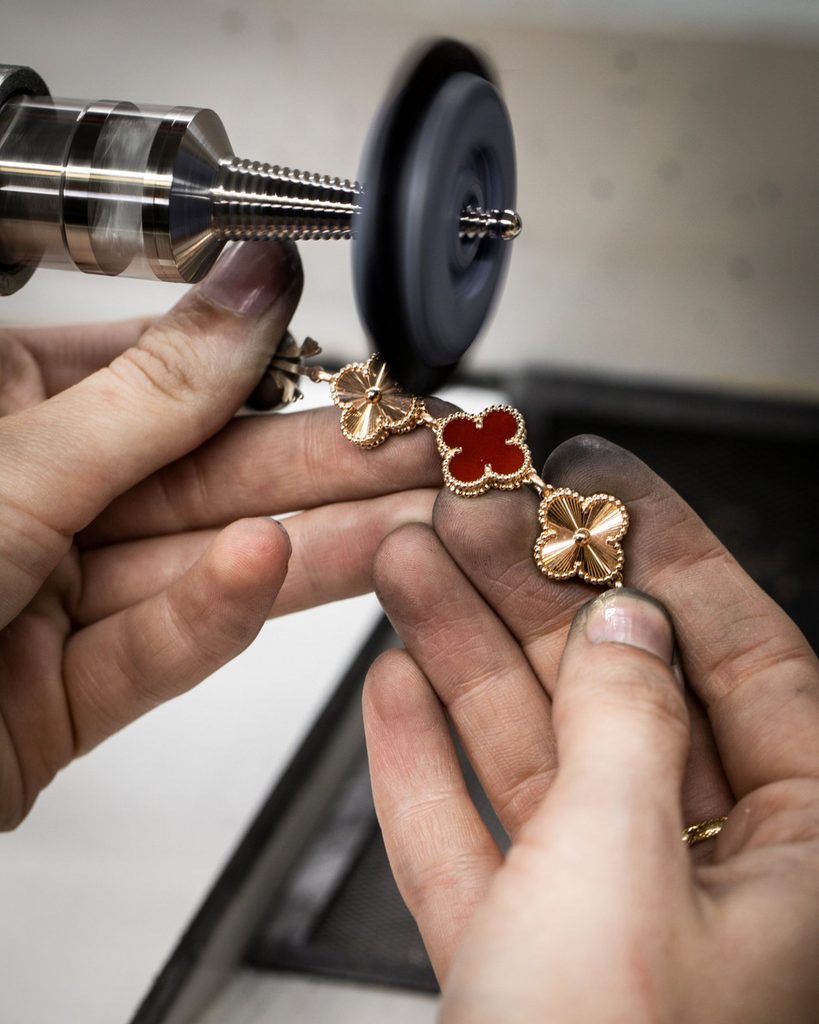
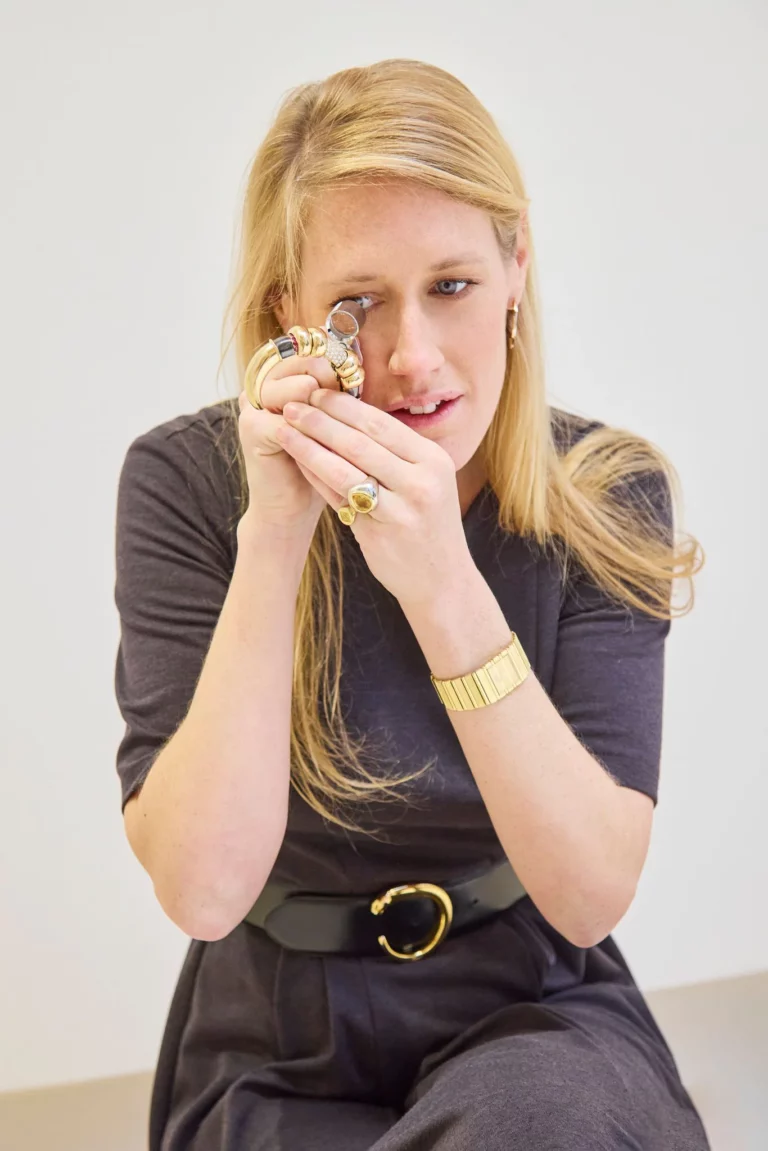
©Joy Corthésy ©Van Cleef & Arpels
Alhambra ©Van Cleef & Arpels

An enchanting language

Van Cleef & Arpels draws inspiration from nature, dance, dreams, and imaginary worlds. Through its jewelry, the house brings to life themes such as luck, love, and astronomy—themes embodied by a host of familiar motifs, including the lucky clover, fairies, ballerinas, and animals featured in the “Lucky Animals” video series. Ballerinas and fairies first appeared in the 1940s, inspired by Louis Arpels’ love of ballet; stars and planets, meanwhile, reflect the house’s fascination with the sky and the universe of celestial bodies, which it brings to life in its Complications Poétiques watches. Love runs through the entire history of the house, from its founding partnership to the motifs that adorn countless creations. The result is a deeply poetic and feminine world that has shaped the identity of Van Cleef & Arpels.

As early as 1939, the house established an office in New York, opened a boutique on Fifth Avenue in 1942, and gained an international presence. In 1968, one motif would make the brand’s name widely recognized: Alhambra, the four-leaf clover that would become its greatest success. After joining the Richemont Group in 1999, Van Cleef & Arpels has lost none of its soul and, since 2002, has been creating fine jewelry collections that showcase its jewelry-making expertise and tell a new story each year: a journey, a season, a fairy tale, a civilization… In 2012, the house founded L’École des Arts Joailliers, a learning center open to the public designed to share knowledge and introduce people to the world of jewelry, and supports the arts through its Dance Reflections program.
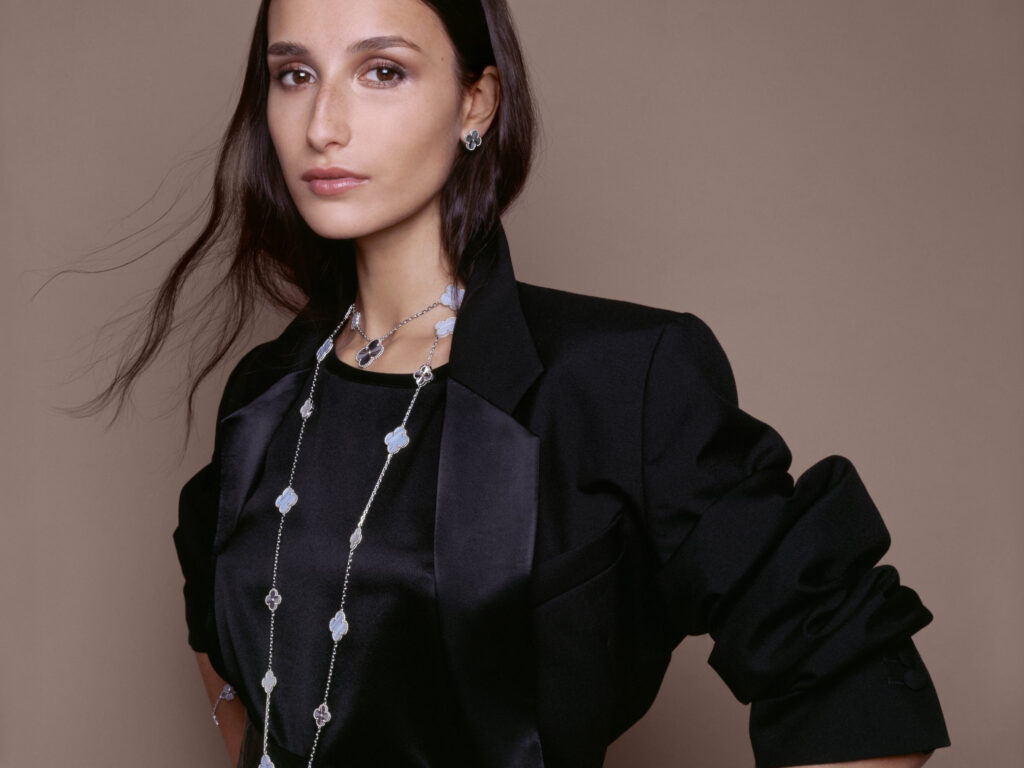
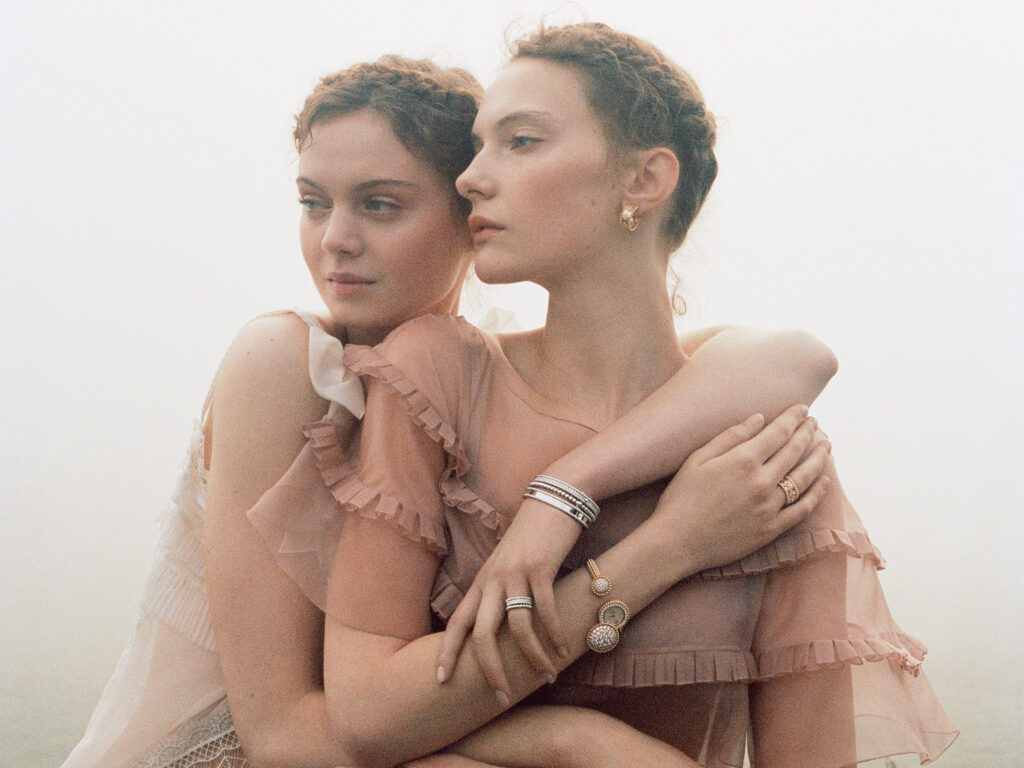
iconic collections

Alhambra Van Cleef & Arpels

Alhambra: the iconic symbol of good luck

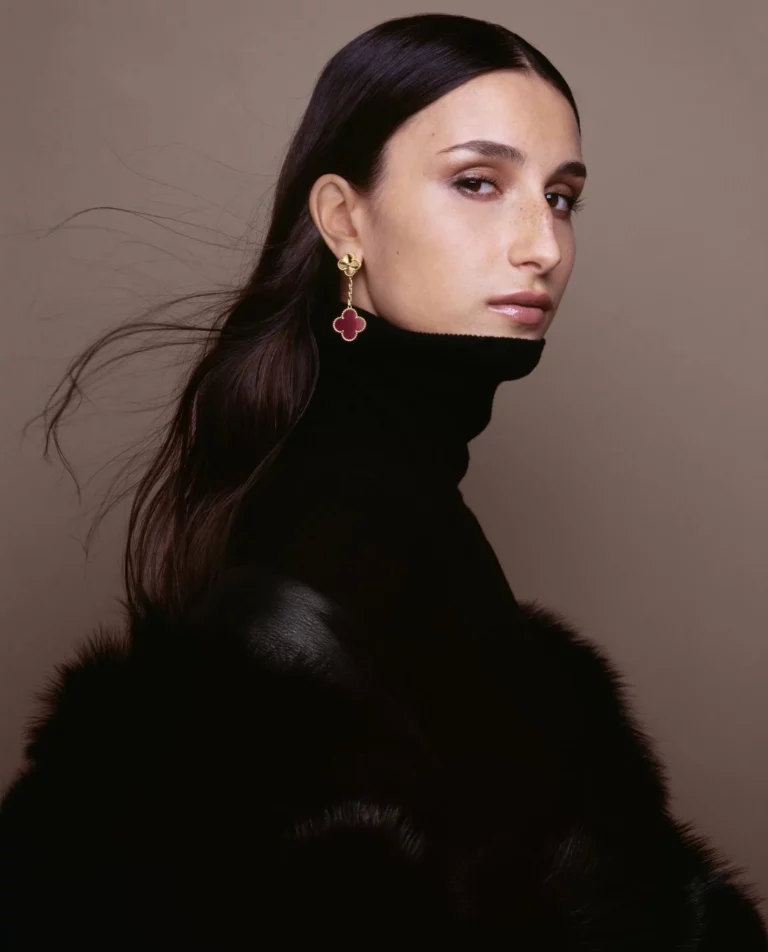
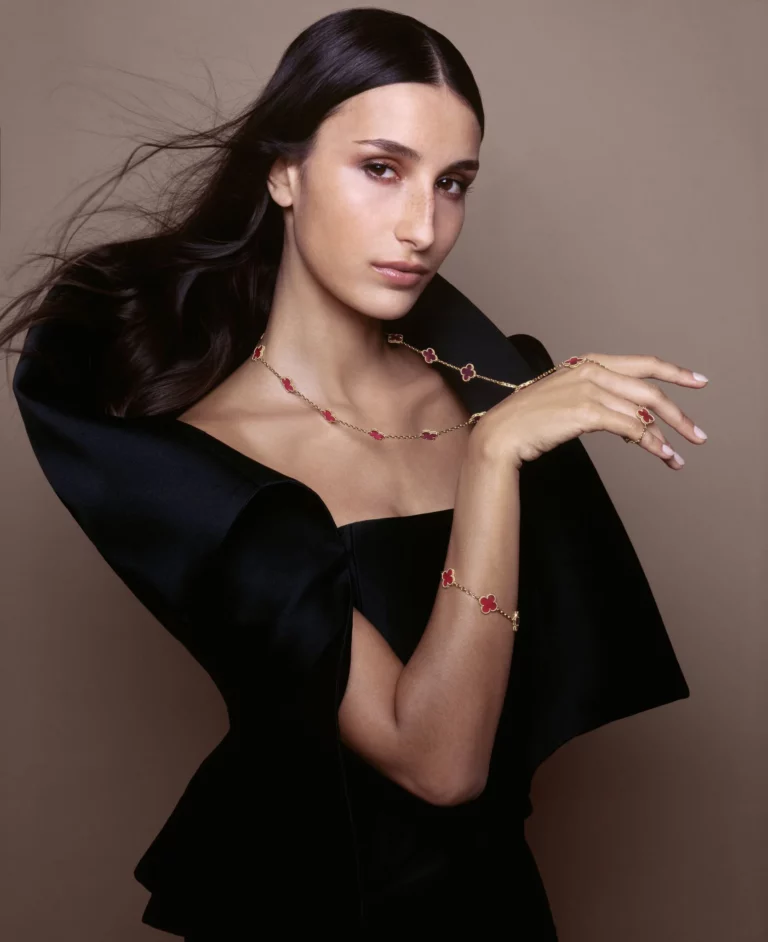
Alhambra is undoubtedly the house’s greatest success. In 1968, Van Cleef & Arpels unveiled a long necklace featuring motifs reminiscent of a four-leaf clover. The idea of luck, however, dates back to the house’s origins in 1906, when it began creating horseshoe-shaped jewelry. Later, Jacques Arpels, Estelle’s nephew, would give four-leaf clovers to his employees, telling them, “To have luck, you have to believe in luck.” Launched during an era of freedom when women were seeking jewelry to wear every day, the motif was an instant success, popularized in particular by Romy Schneider, Françoise Hardy, and Grace of Monaco. Since then, the motif has evolved into a collection that continues to expand, ranging from the Vintage Alhambra to the miniature Sweet Alhambra, including the Magic Alhambra. It is constantly reinvented in a variety of gemstones: carnelian, onyx, malachite, and mother-of-pearl. Most recently, the Alhambra has embraced a new color and material: yellow gold set with translucent pink enamel, achieved using “red gold,” a 17th-century technique in which the hue is created from fine gold particles rather than pigments. Alhambra was, is, and always will be a symbol of good luck.

read more

Collection Perlée ©Van Cleef & Arpels

Perlée: the golden pearl

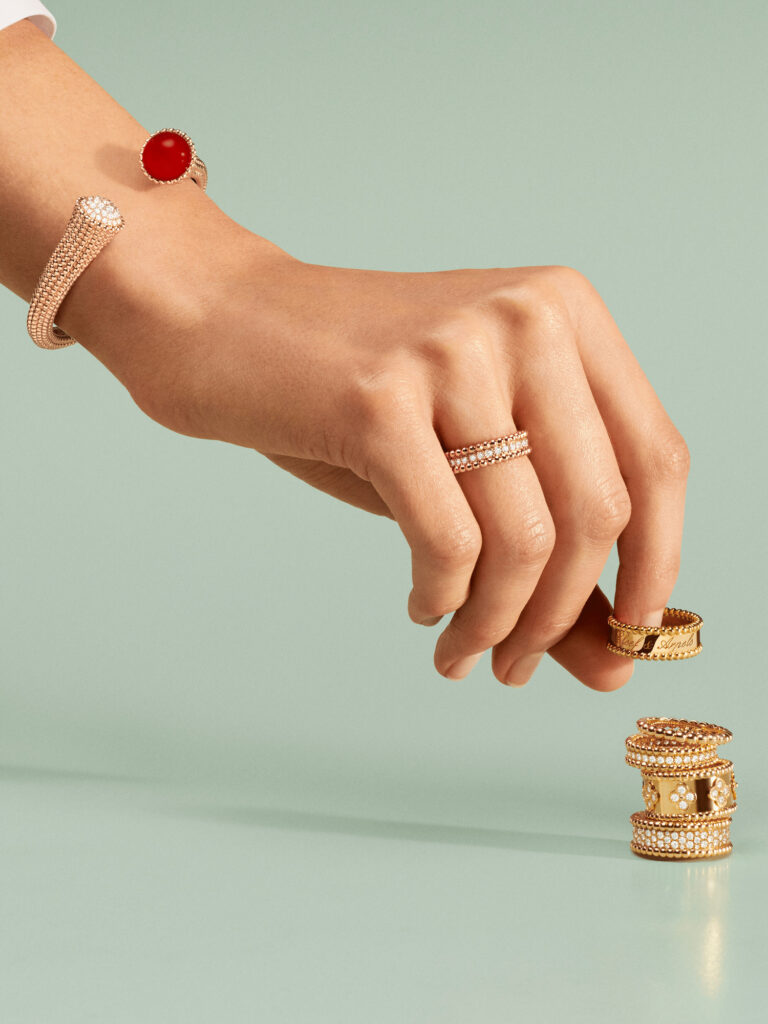
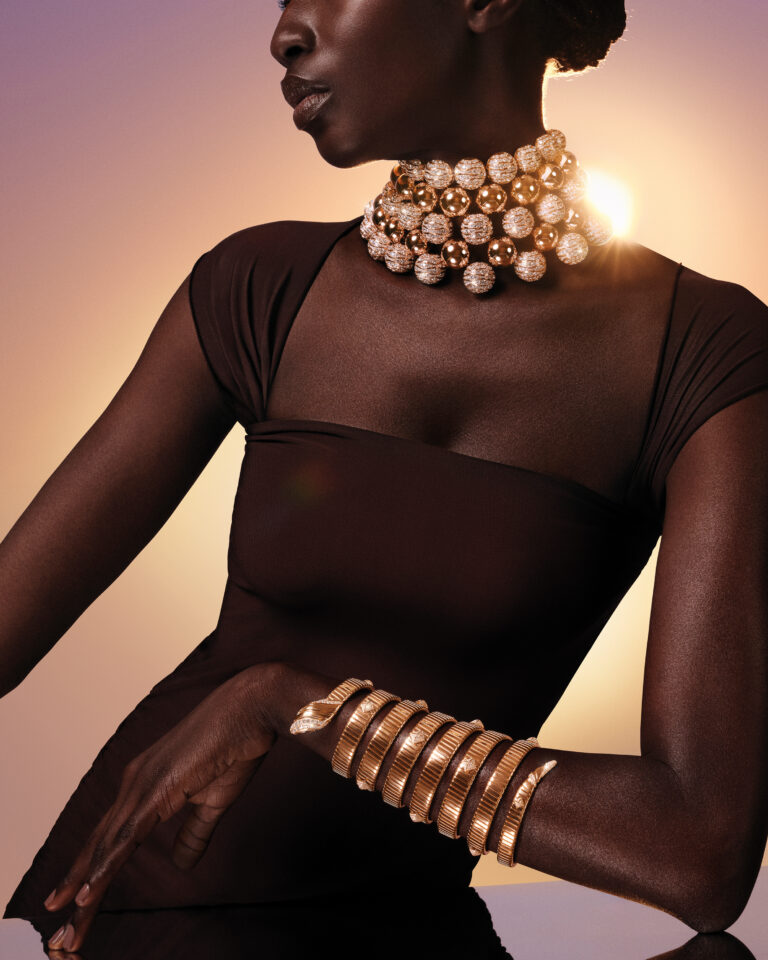
A subtle motif deeply rooted in the brand’s history, the gold pearl is at the heart of the Perlée collection. These small spheres of polished metal first appeared in the late 1940s in the Couscous collection, where they ran along a supple chain; in 1963, they were paired with colored gemstones in the Twist collection; and beginning in 1968, they highlighted the contours of the Alhambra motifs, gradually establishing themselves as a signature element. In 2008, this legacy was given the name Perlée. Crafted using the lost-wax casting technique, then hand-finished and polished to give them their harmonious roundness and characteristic shimmer, the spheres adorn rings, bracelets, earrings, pendants, and long necklaces designed to be layered. On the back of each piece, a honeycomb-patterned openwork design allows light to pass through the stones, enhancing their brilliance. Small jewelry watches designed to be worn on the wrist or around the neck are also an integral part of the collection.

read more

Flowerlace ©Van Cleef & Arpels

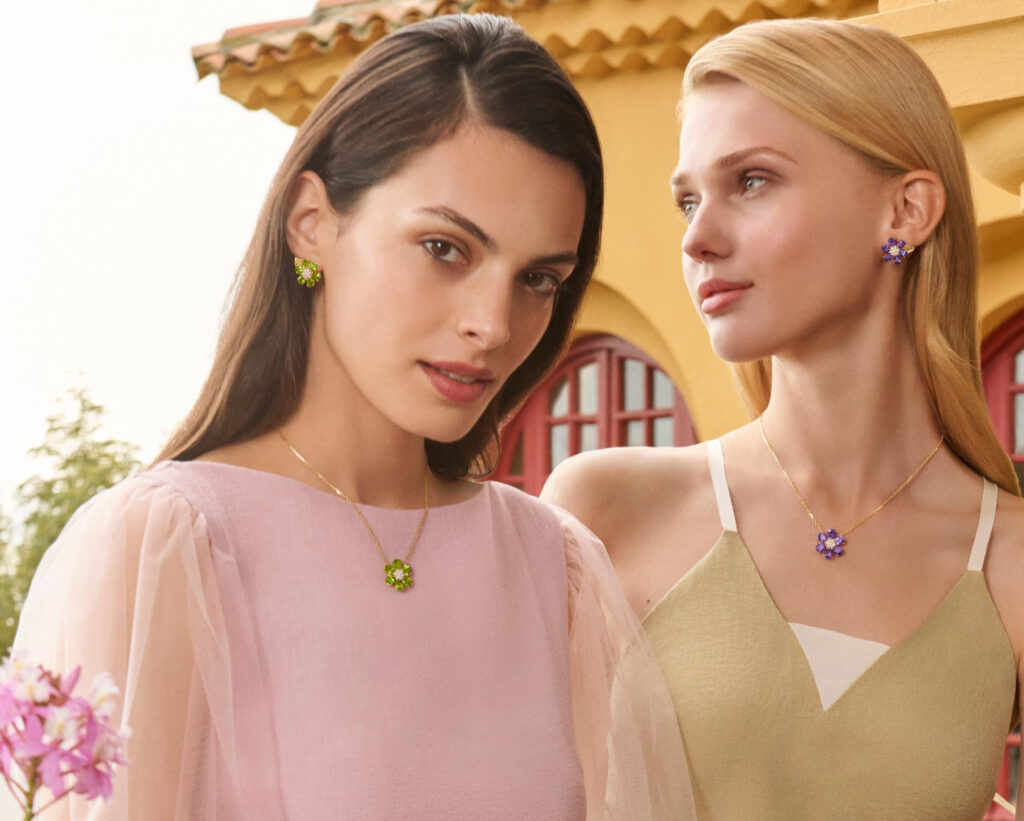
Flowerlace: nature re-enchanted

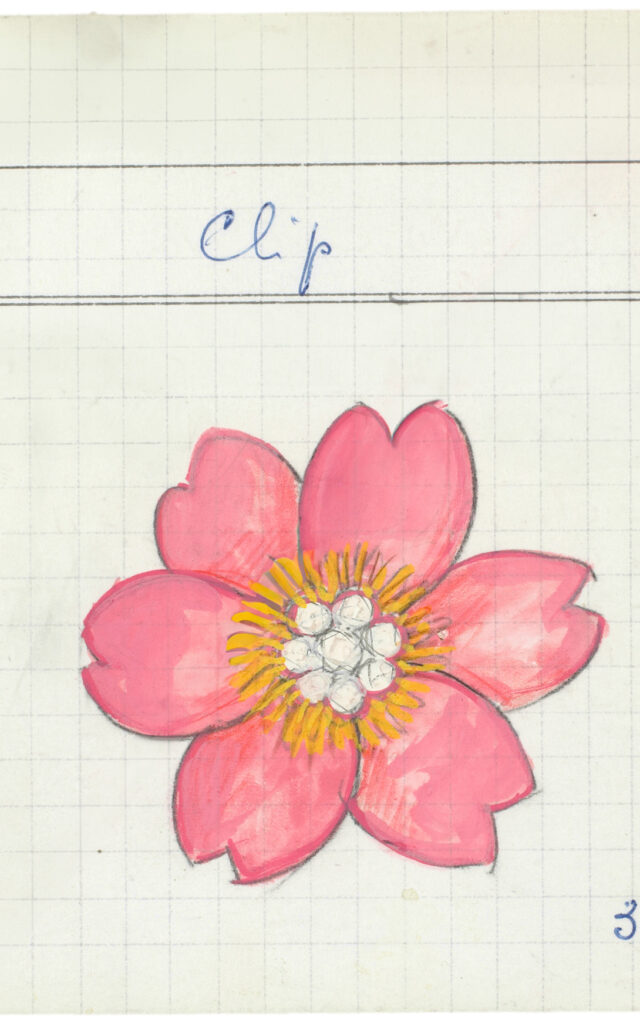
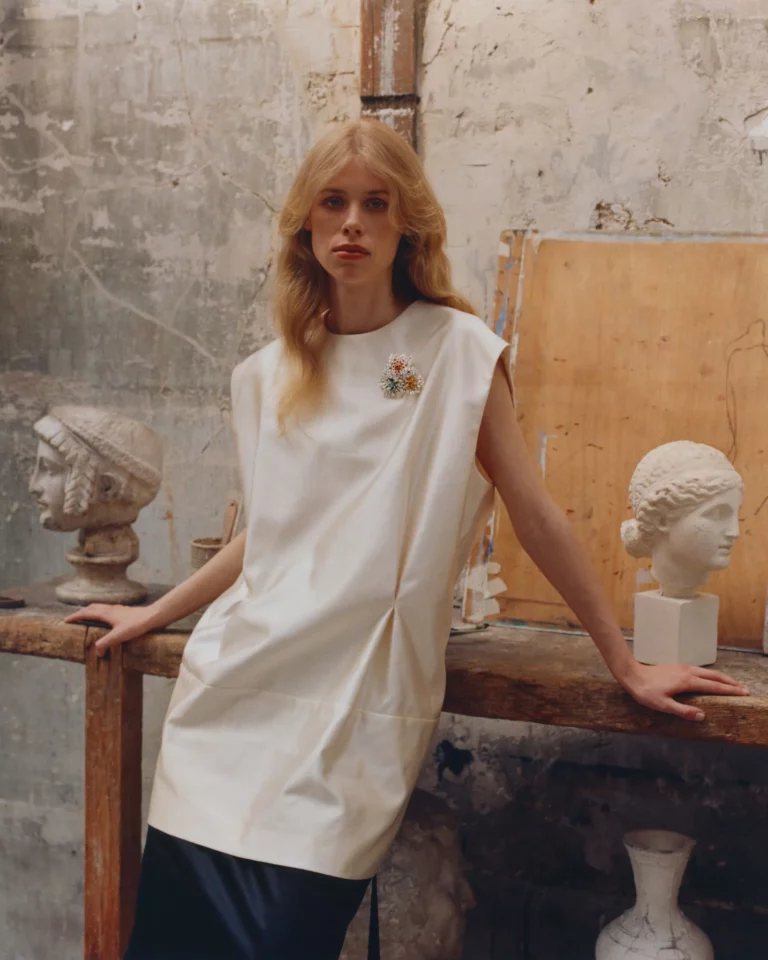
Nature has always been Van Cleef & Arpels’ dream garden. A daisy brooch appears as early as 1907 in the brand’s archives, and since then, a whole bouquet of flowers has blossomed—from peonies and buttercups to roses and daisies. From stylized interpretations to more figurative motifs, the house boasts a rich floral heritage, ranging from the Rose de Noël collection to the refined stylizations of Frivole and Fleurette. Among the latest additions, Flowerlace draws directly from the Silhouette clips of the late 1930s. It sketches, in a single stroke, the openwork corolla of a flower full of roundness and volume, whose petals shimmer as if bathed in sunlight thanks to yellow gold and diamonds. The lines of the flowers in the collection evoke the suppleness of a ribbon, a nod to another theme dear to the house: couture. Beneath its apparent lightness, Flowerlace brings together various jewelry-making techniques, including lost-wax casting to shape the different elements of the design, as well as stone-setting and polishing that make the gold shimmer in unison with the diamonds.

read more

https://www.youtube.com/watch?v=RTuCPu2UmCE

In Pictures

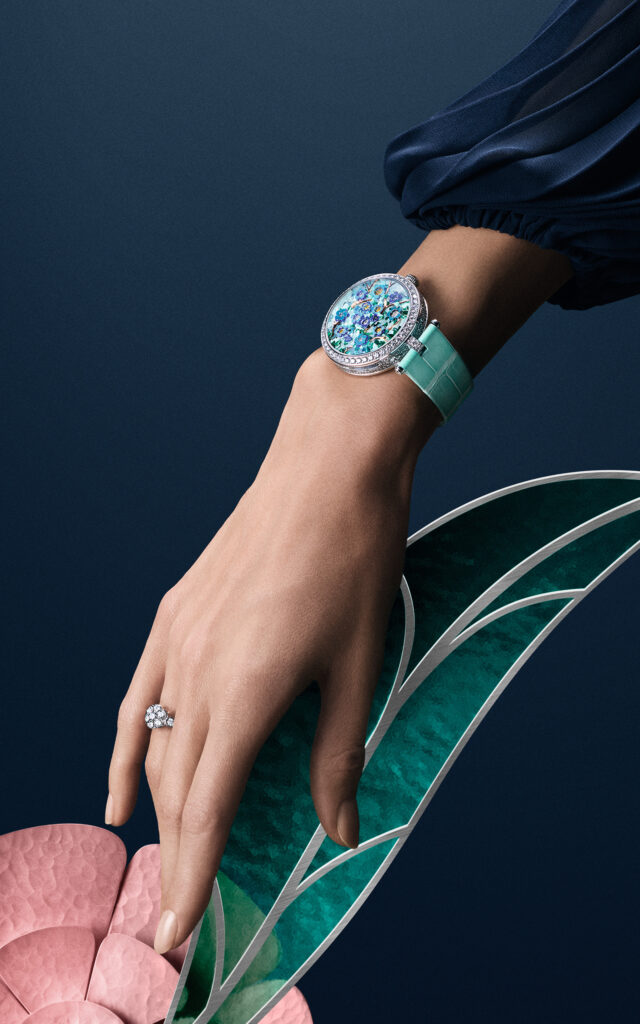
Montre Lady Arpels Heures Florales ©Van Cleef & Arpels

Lady Arpels Heures Florales watch ©Van Cleef & Arpels

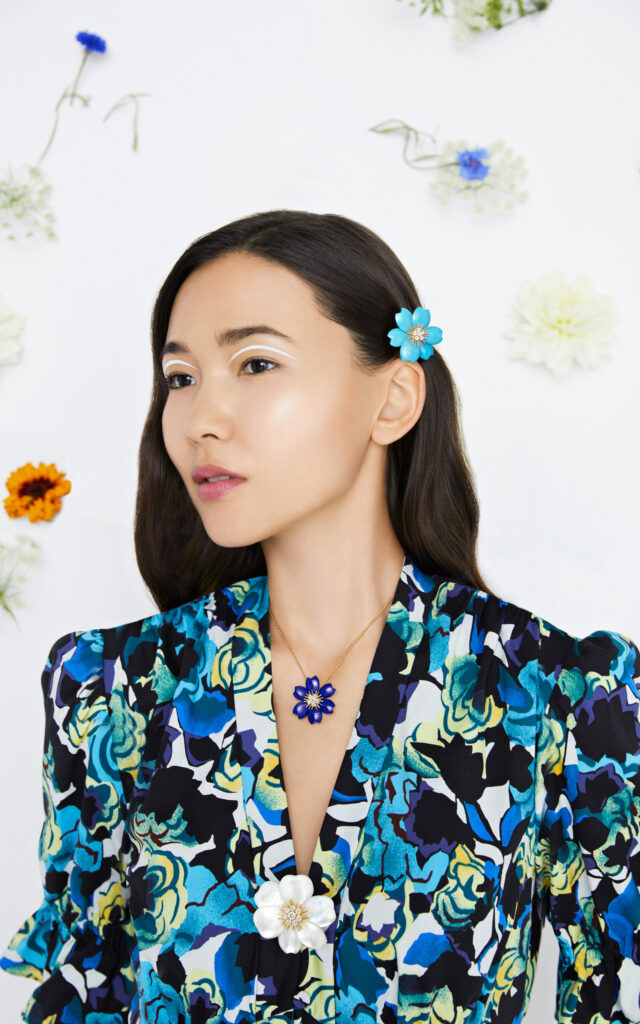
Rose de Noël ©Van Cleef & Arpels

Rose de Noël ©Van Cleef & Arpels

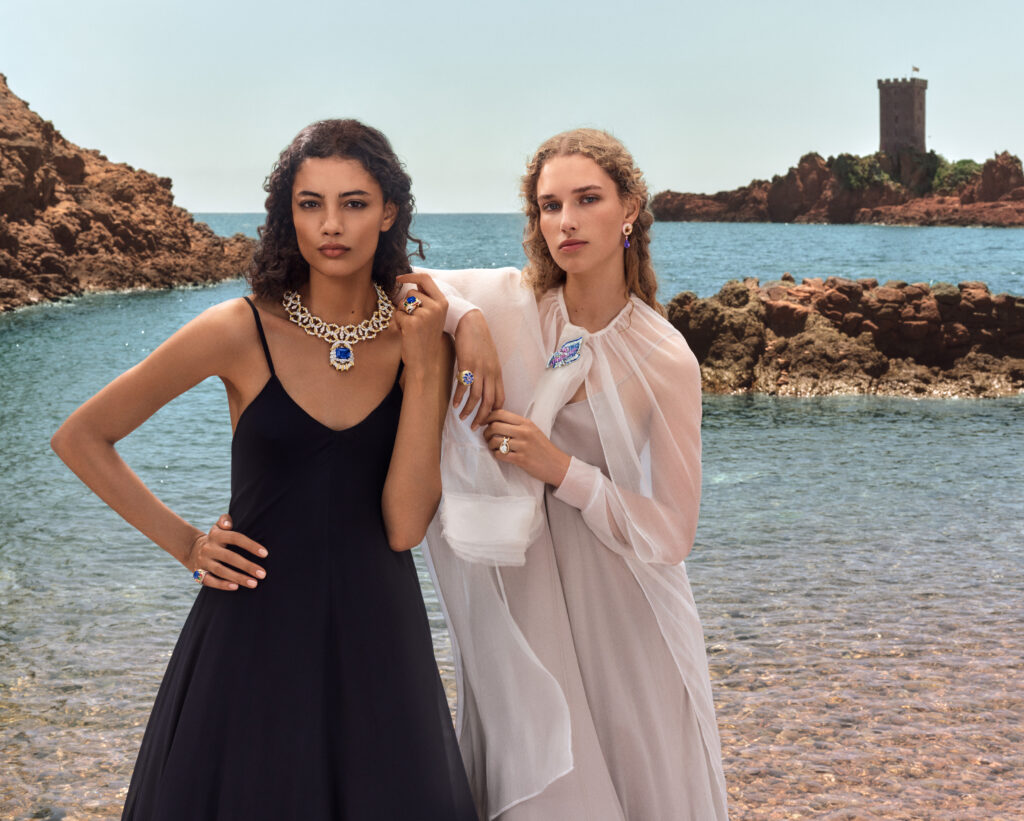
Treasure Island ©Van Cleef & Arpels

Treasure Island ©Van Cleef & Arpels

Fleurs d'Hawaï ©Van Cleef & Arpels

Fleurs d'Hawaï ©Van Cleef & Arpels

Rose de Noël ©Van Cleef & Arpels

Rose de Noël ©Van Cleef & Arpels

Collection Perlée ©Van Cleef & Arpels

Collection Perlée ©Van Cleef & Arpels

Discover our entire collection of home goods